

All Posts

Show a Local Model Buggy Code and Its Tests Protect the Bug, Even When It Notices
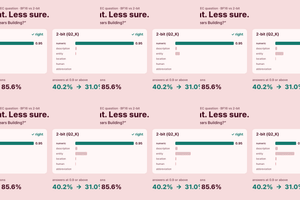
We asked Qwen3.5-9B, running locally, to write pytest tests for all 164 HumanEvalPack Python functions, once from the buggy version and once from the fixed one. From the buggy code, 16.4% of its tests passed on the bug and failed on the fix, against 2.6% from the fixed code, and the share of tests that catch the bug fell from 41.9% to 19.5%. With thinking on, on the 85 problems both modes finished, misguided tests rose from 22.4% to 37.6%. A paper's fix, giving the model a spec it wrote from the buggy code instead of the code itself, did not show an effect here, and about half of those specs described the bug as intended behavior.
One Letter Holds a Language Model’s World Map Together
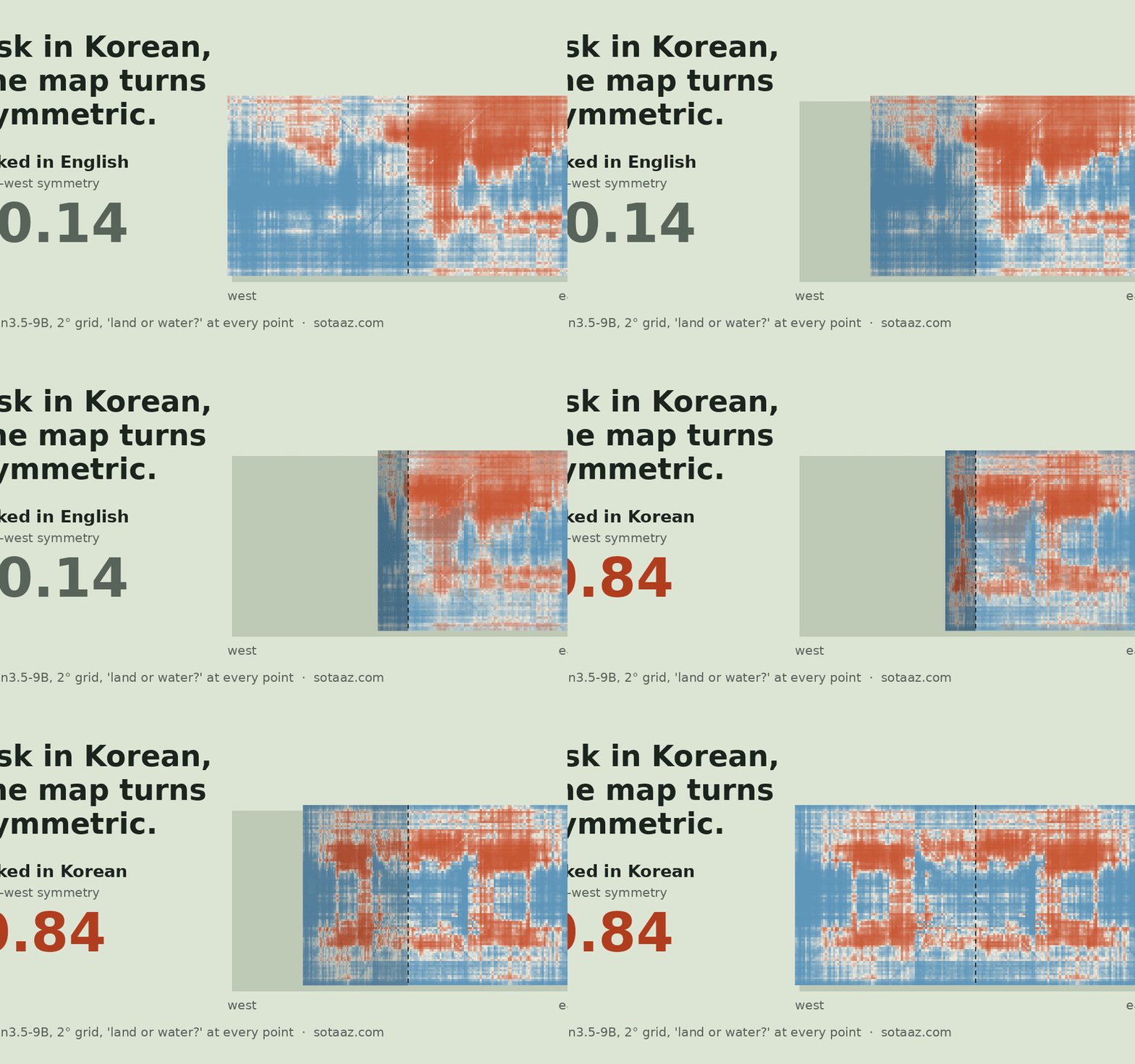
We asked Qwen3.5 models whether each point on a latitude-longitude grid is land or water and drew their answers as world maps. Asked in Korean, with coordinates written as north latitude and west longitude, the 9B's map becomes nearly symmetric left to right (east-west symmetry 0.84, against −0.14 when asked in English) and partly top to bottom: it loses track of which hemisphere a point is in. Write the same coordinates as 37°N 123°W and the left-right symmetry disappears.
Can a 32 GB Mac Run a Model Three Times Its Memory? Qwen3.8-Flash-Next on an M2 Max
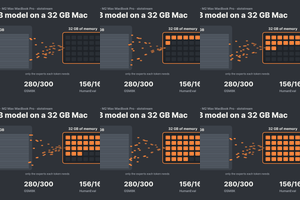
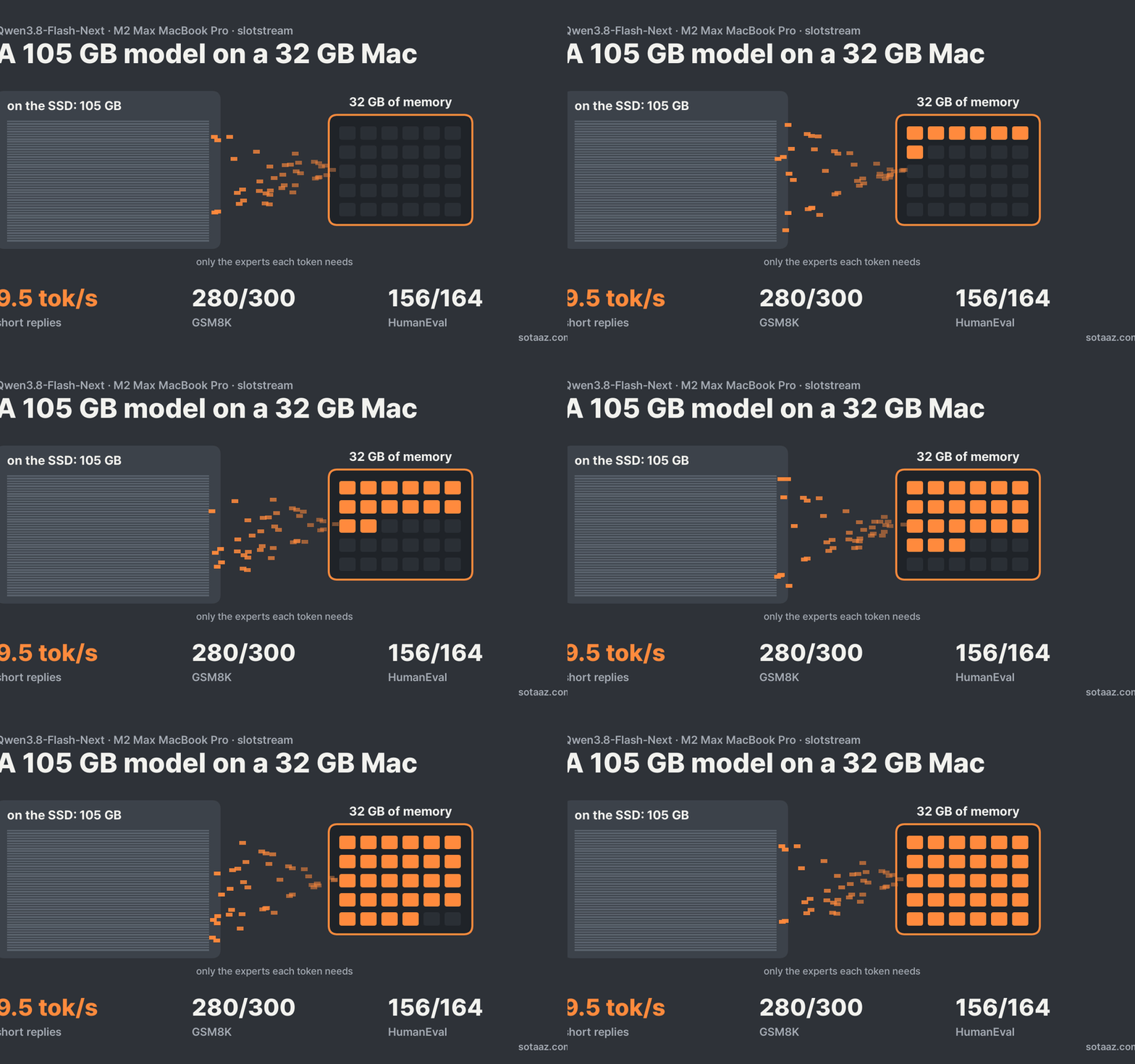
Qwen3.8-Flash-Next's 4-bit weights are about 105 GB. With slotstream, which reads the model's experts from the SSD, a 32 GB MacBook Pro (M2 Max) ran it at 9.5 tokens per second for short replies and read an 8K prompt in 55 seconds. It scored 280/300 on GSM8K and 156/164 on HumanEval, and gave byte-identical answers across repeats and across two memory plans. A long job of 300 questions took 3.6 hours, and one long request was dropped for memory pressure and succeeded on retry. Against Qwen3.5-9B, which fits in memory, GSM8K couldn't be told apart (93.3% vs 91.0%) and HumanEval solved 18 more (95.1% vs 84.1%), while the 9B decoded 3.5 times faster.
A 2-Bit Model Remembers How to Be Right and Forgets How to Be Sure
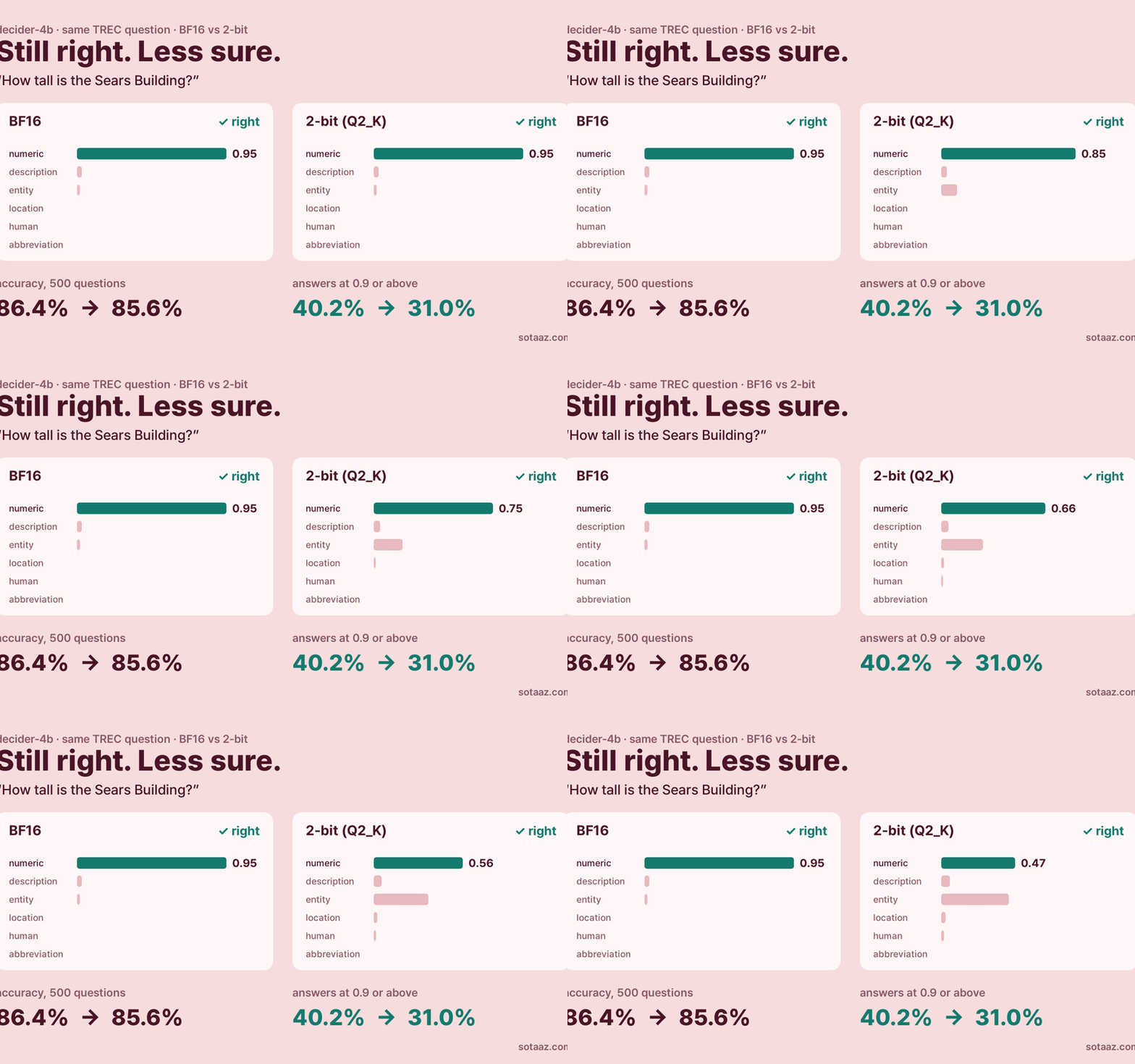
Cutting decider-4b to 2-3 bits kept its accuracy (86.4% → 85.6%) but took away its decisiveness, and the error pointed toward the base model it was fine-tuned from (cosine 0.29 for the Q2_K file, against about 0.02 for a random direction). Random noise of the same size, five seeds, also made it less decisive, often more so, but had no such direction (−0.04 to 0.07) and moved accuracy between 81.6% and 89.6%. Noise only leaned that far once it was big enough to drop accuracy to between 13% and 32%. One refitted temperature brings the probabilities back.
How Much of an Uncertainty Score Is Just Answer Length? U-Space on Qwen3.5-4B
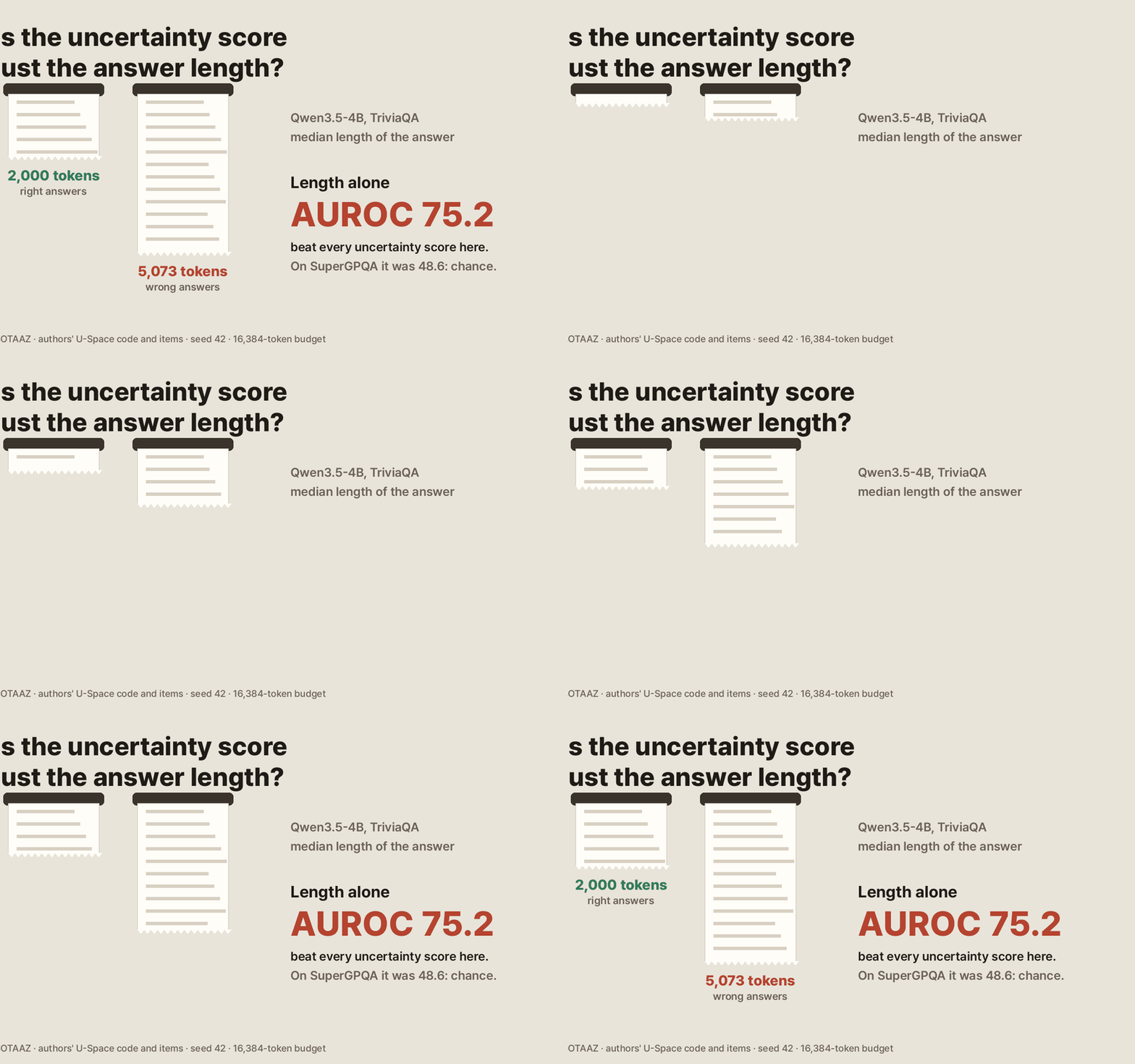
A new paper finds that answer length alone flags a language model's wrong answers almost as well as many uncertainty scores. We ran the authors' code on Qwen3.5-4B with their items: length alone reached AUROC 65.3 on three benchmarks, from 75.2 on TriviaQA to 48.6 on SuperGPQA. After controlling for length, U-Lens beat MSP (+8.4) and length alone (+4.4 before control), but its edge over mean log-loss (+1.1) was too small to call. On the three benchmarks in the main comparisons up to a third of answers hit the 16,384-token limit and were excluded; on Omni-MATH, left out of the comparisons, 92.5% did.
How Far Can You Shrink a Decision Model? decider-4b from BF16 to Q2_K on llama.cpp
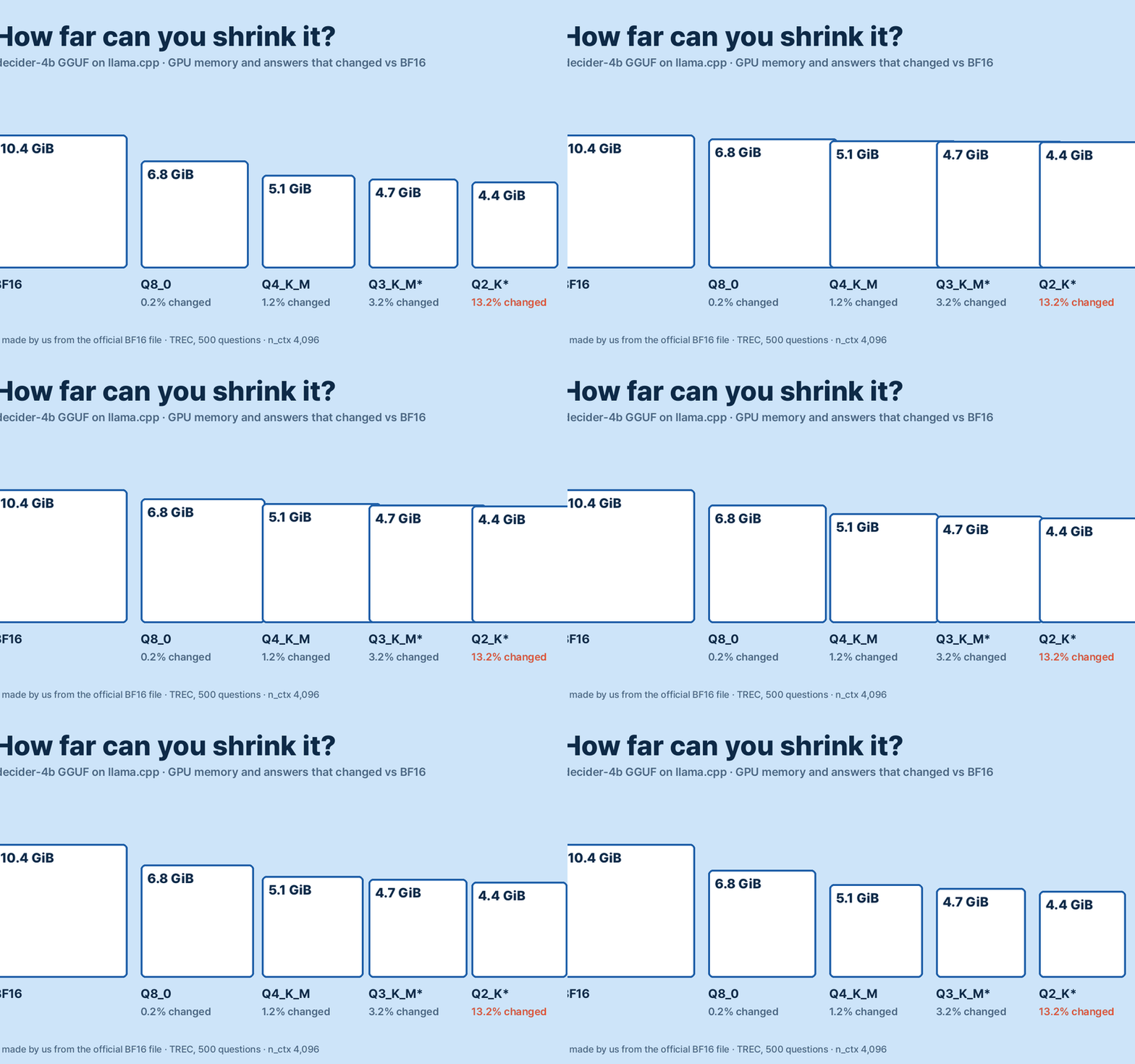
We ran the open decision model decider-4b at five GGUF sizes, from BF16 (10.4 GiB of GPU memory) to Q2_K (4.4 GiB), on 500 TREC questions. Accuracy differences were too small to detect at every size. The probabilities moved: log-loss got slightly better at Q4_K_M and worse at Q8_0 (barely), Q3_K_M and Q2_K. Q2_K changed 13% of the answers and Q3_K_M cut the share of answers above 0.9 from 40% to 23%. Q4_K_M halved the memory; no accuracy difference was detected and its log-loss improved.
Can You Act on Microsoft-Decision-1's Probabilities? We Swapped the Labels on 500 Questions
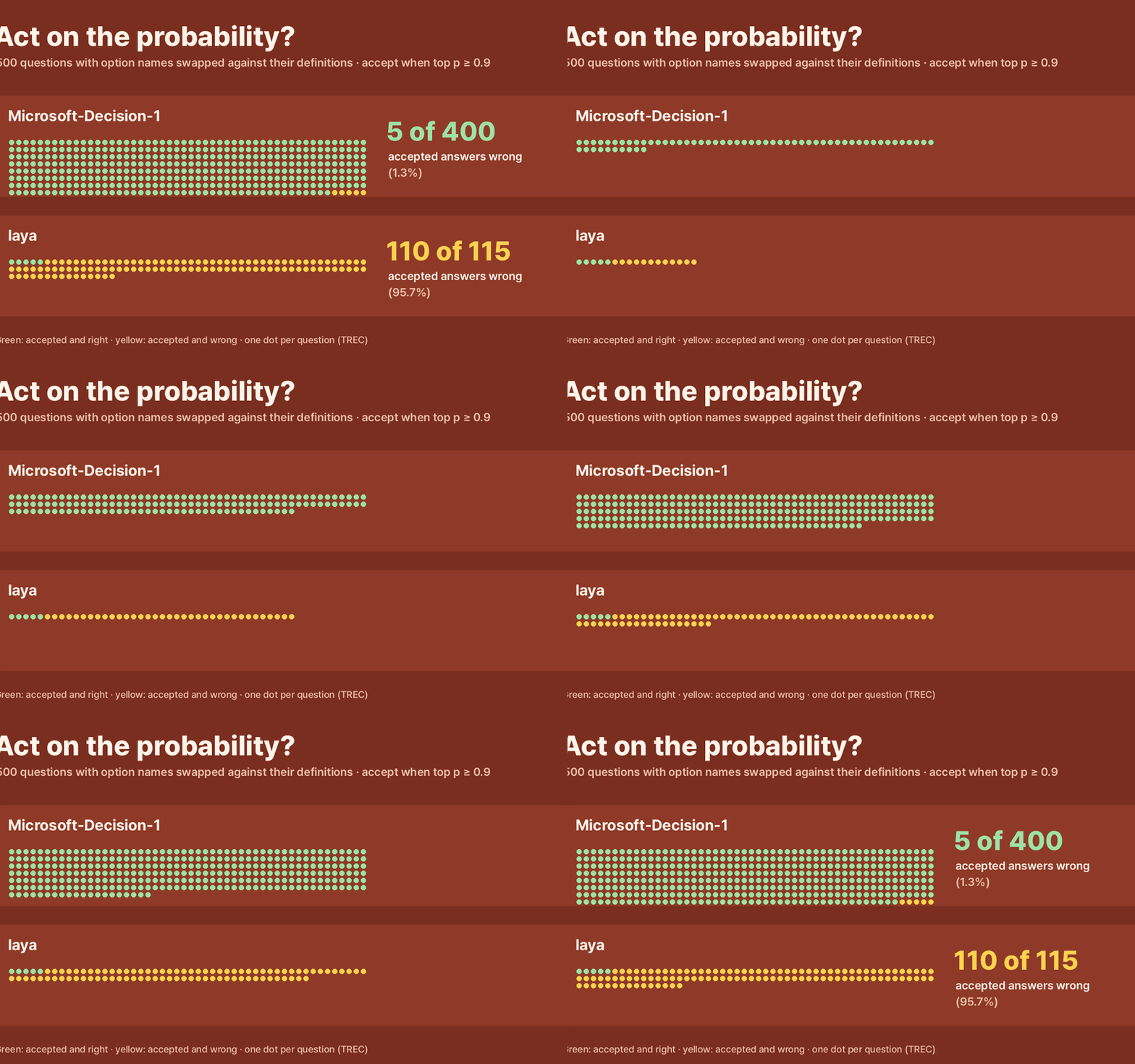
We sent 500 TREC questions to Microsoft-Decision-1 and Jev 1.13 through OpenRouter, and ran two local decision models, decider-4b and laya, with normal labels and with option names swapped against their definitions. Decision-1 followed the definitions (95.2% against 96.4%, not a difference by our rule) and at a 0.9 threshold handled 80% of the swapped cases on its own, 5 of those 400 wrong. laya followed the labels and was wrong on 110 of the 115 swapped cases it would have handled. The same request sent twice gave slightly different probabilities on Decision-1.
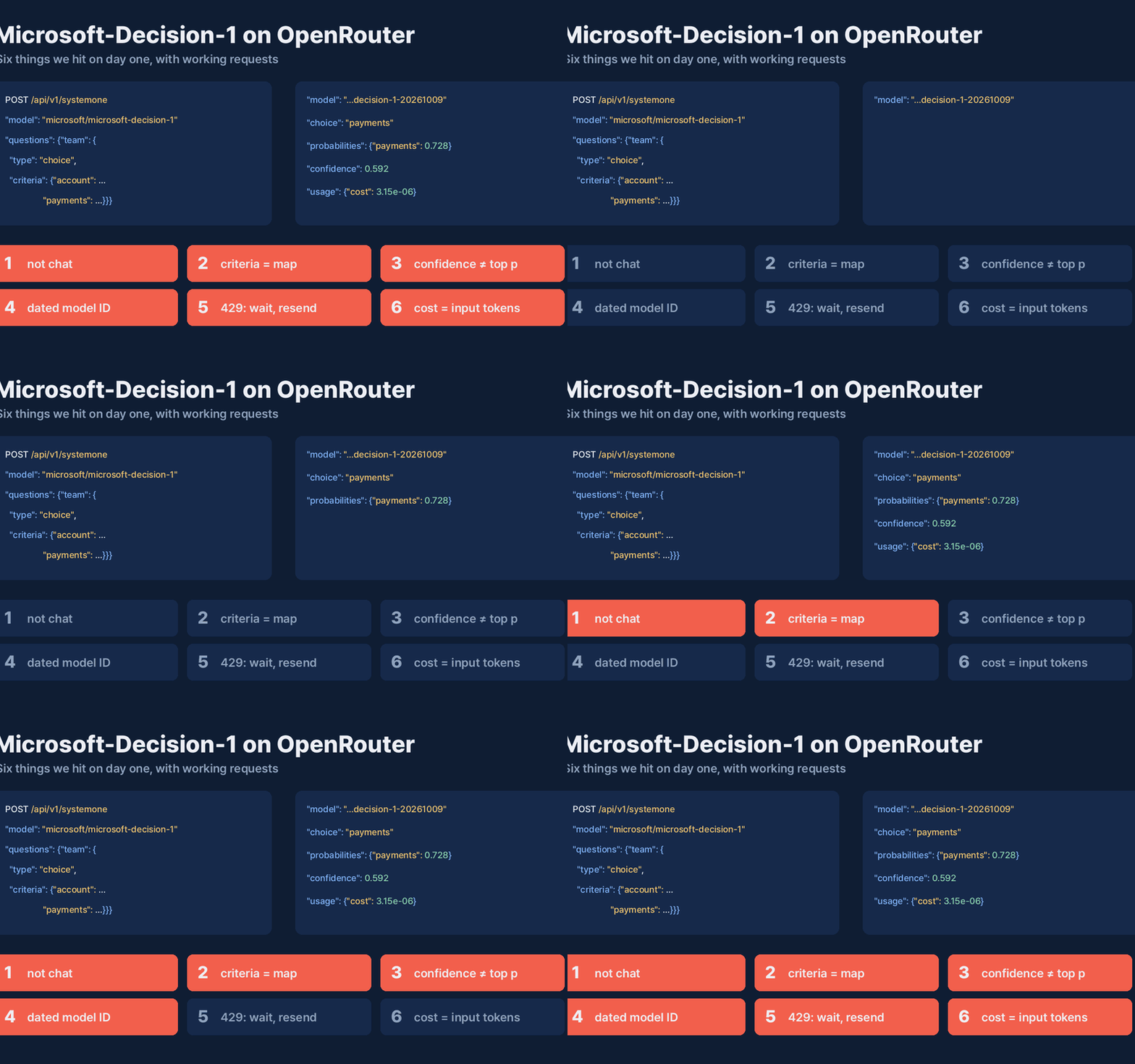
Calling Microsoft-Decision-1 on OpenRouter: Six Things We Hit on Day One
A short field guide from our first day with Microsoft-Decision-1 through OpenRouter: it uses the System One endpoint, not chat completions; choice options must be a map; confidence is not the top probability; the model ID carries a date; requests hit rate limits; and the same question cost us 3.5 to 4.8 times as much on Jev. Working Python included.
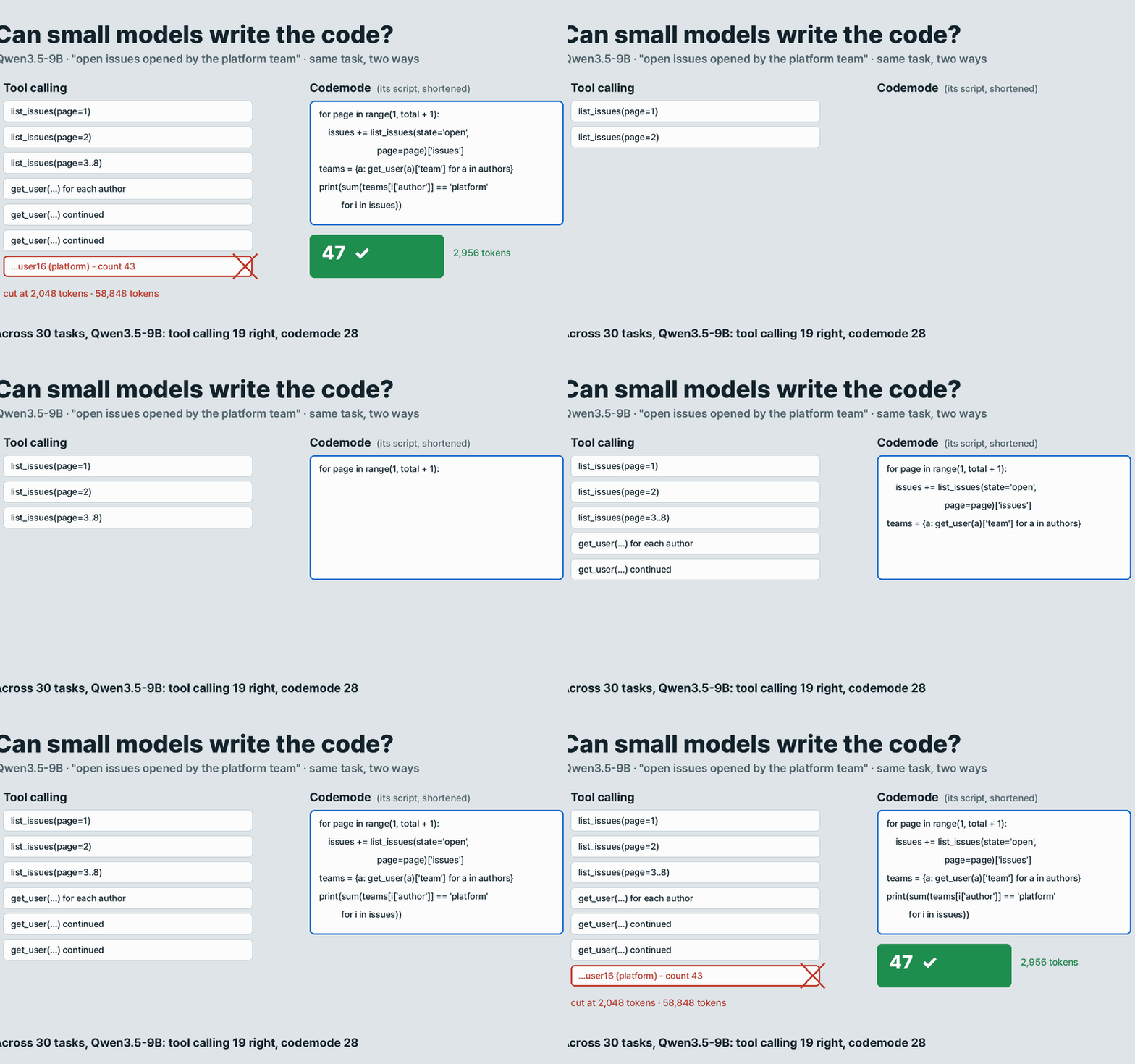
Does Codemode Work With Small Local Models? Qwen3.5-9B Got 28 of 30 Writing Code, 19 Calling Tools
Armin Ronacher writes that codemode, where the model writes code that calls tools instead of calling them one at a time, does not yet work with smaller models. We tested it on 30 tasks against a mock issue tracker with Qwen3.5-4B, Qwen3.5-9B and Qwen3.8-27B in llama.cpp. Codemode got more tasks right at every size (22 vs 18, 28 vs 19, 30 vs 26); only the 9B difference passes our test (p = 0.012), and most of it comes from tool-calling replies cut off at our 2,048-token output limit. On tasks both modes got right, codemode's median tokens per task were 28-45% of tool calling's.
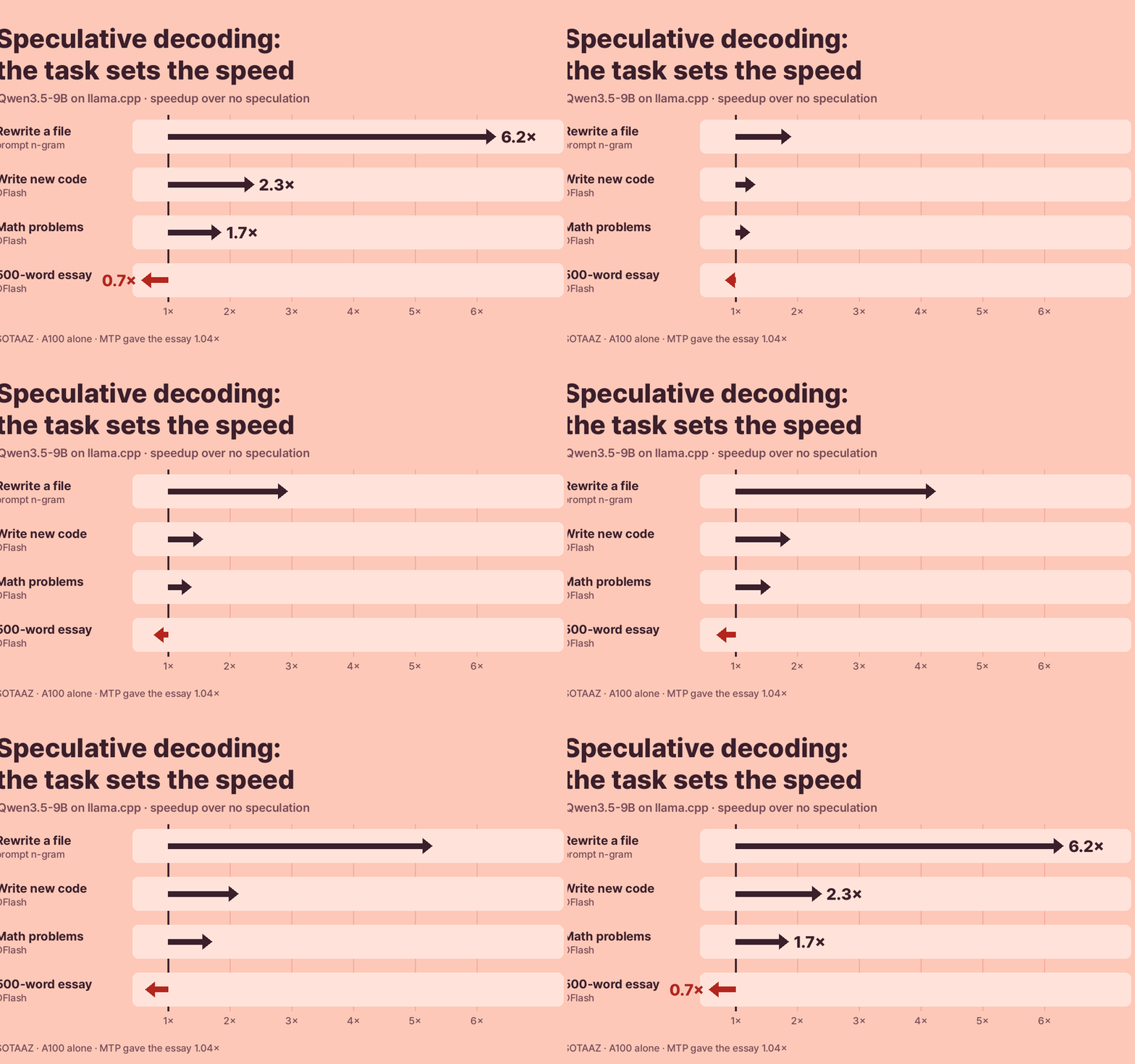
Speculative Decoding Speedups Depend on the Task: Prompt Lookup 6.2× on a File Edit, DFlash 0.7× on an Essay (Qwen3.5-9B, llama.cpp)
We measured three kinds of speculative decoding in llama.cpp on one Qwen3.5-9B file, alone on an A100: prompt n-gram lookup, the model's own MTP head, and a DFlash draft model. Rewriting a 130-line file ran 6.2× faster with n-gram lookup and 3.2× with DFlash. On a 500-word essay, MTP was 4% faster, n-gram lookup slightly slower and DFlash 0.69×. At temperature 0, n-gram and MTP output matched the plain run token for token; DFlash output diverged on three of four tasks.
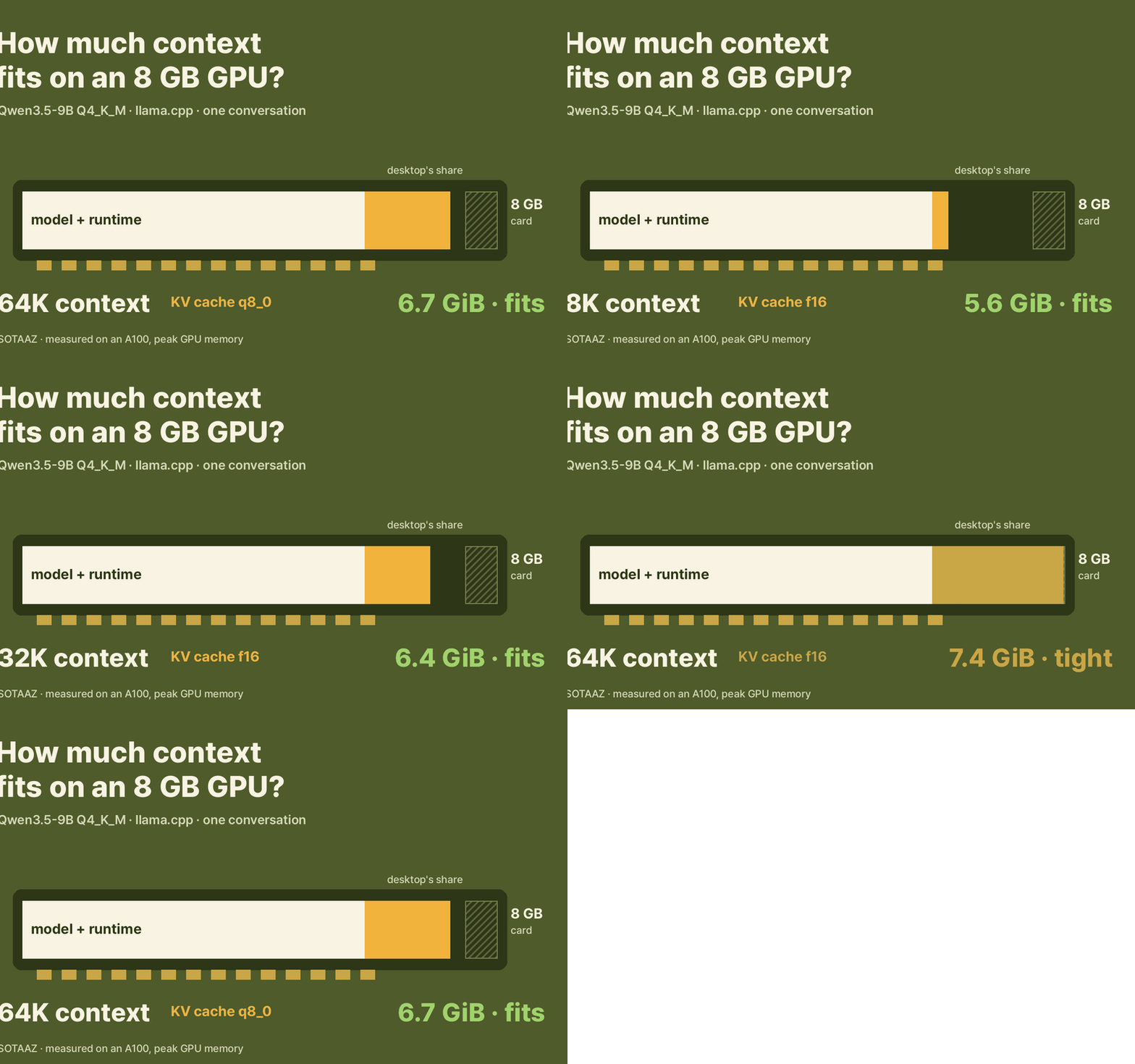
How Much Context Fits on an 8 GB GPU? Qwen3.5-9B From 8K to 256K, Against Five Real Tasks
We measured GPU memory for Qwen3.5-9B Q4_K_M at 8K to 256K context and counted the tokens of common tasks. On an 8 GB card one conversation gets 32K with the default KV cache and 64K with an 8-bit cache. A 20-turn coding chat reached 36,736 tokens, a 76-page paper 77,800, and coding agents send 648 to 15,970 tokens before you type a second message. Qwen3-8B, which keeps a cache in every layer, already needs 9.5 GiB at 32K.
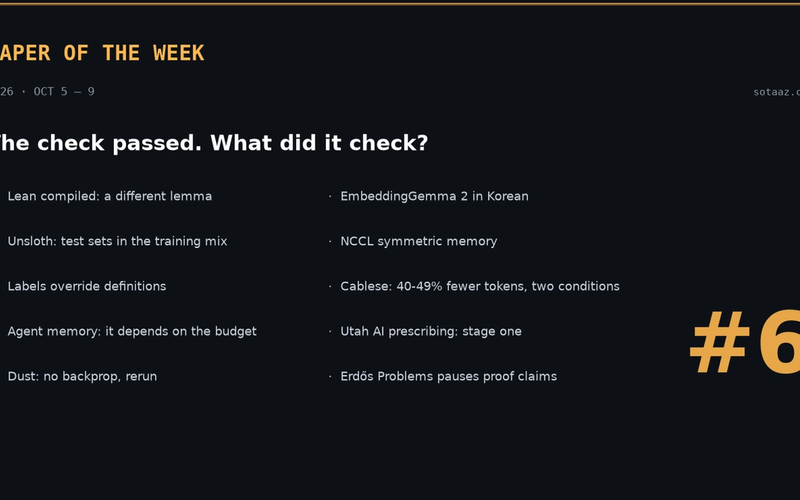
Paper of the Week #6 — The Check Passed. What Did It Check?
This week: a Lean proof that does not match the paper it formalizes, a decision-model table whose test sets are in its training mix, labels that override definitions, memory that wins or loses depending on how much the model reads, NCCL symmetric memory gains that depend on payload size and GPU, a 40-49% token cut that needs lowercase and thinking off, and an AI prescribing pilot whose first phase has two physicians check every prescription.
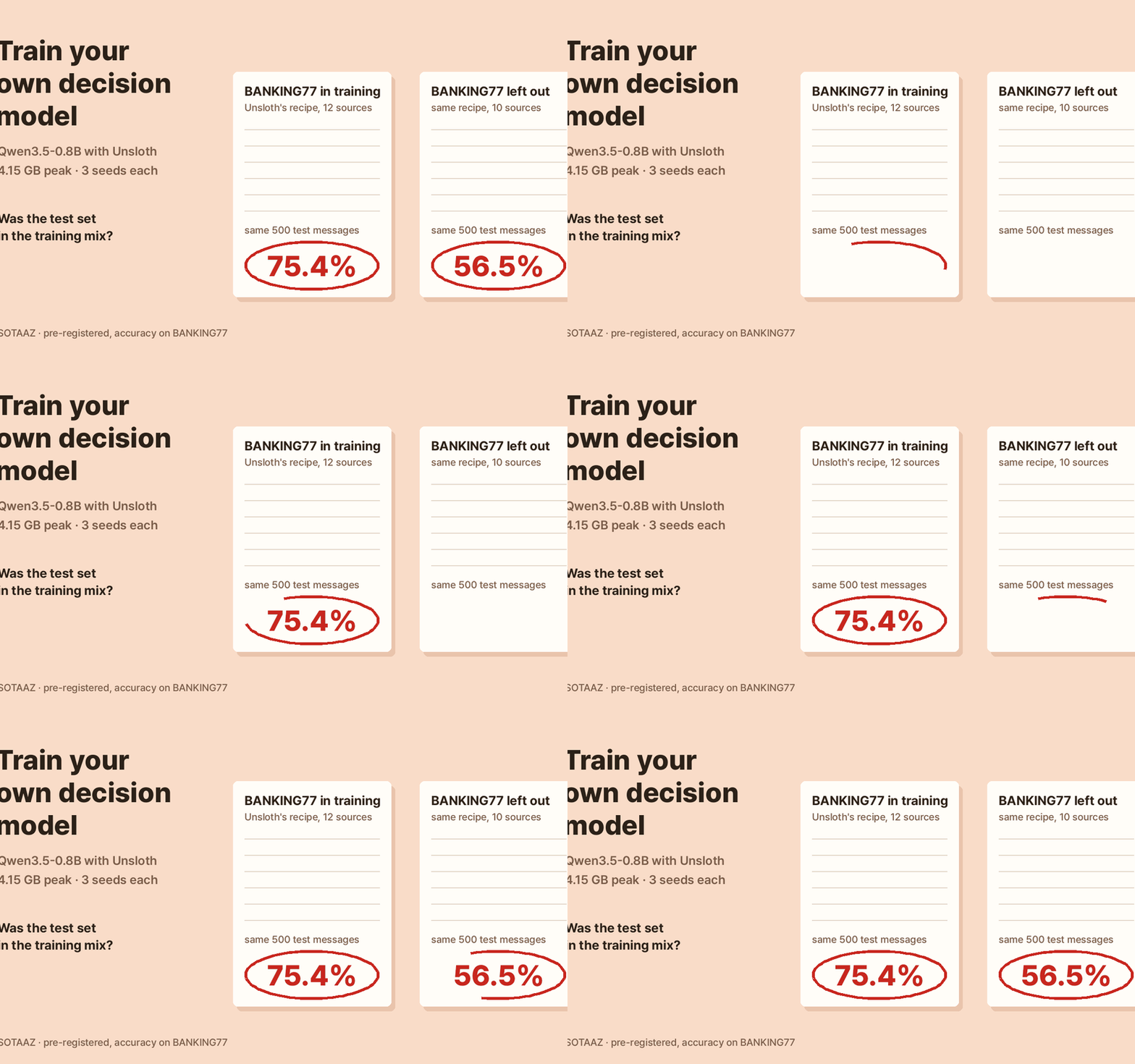
We Trained Our Own Decision Model with Unsloth: 75% on BANKING77, 56% When BANKING77 Is Left Out of Training
We followed Unsloth's recipe for turning Qwen3.5-0.8B into a decision model (4.15 GB peak memory, about 20 minutes per run on a shared GPU). BANKING77 and CLINC150 matched Unsloth's table (75.4% and 75.0%), but those test rows come from datasets in the training mix. With the two datasets removed from training, the same 500 rows scored 56.5% and 55.9%. typed-decisions came out 11.8 points below the table; the recipe's decontamination step drops 850 of its 1,200 training cases, and in a post hoc run that kept them it reached 74.3%.
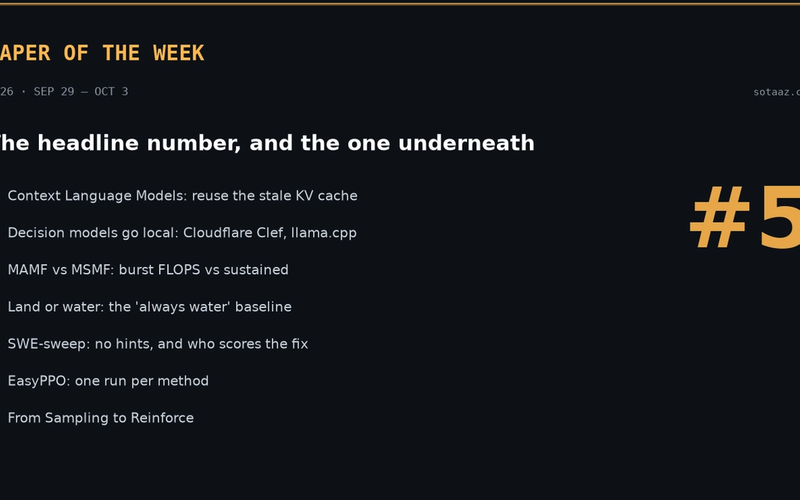
Paper of the Week #5 — Stale Caches, Burst FLOPS and Decision Models Going Local
This week: Context Language Models reuse a stale KV cache after editing their own context, two ways to run Jev-style decision models yourself, sustained GPU FLOPS 8 to 17 points below the burst number on four NVIDIA cards, and a map eval where always answering water scores 66%.
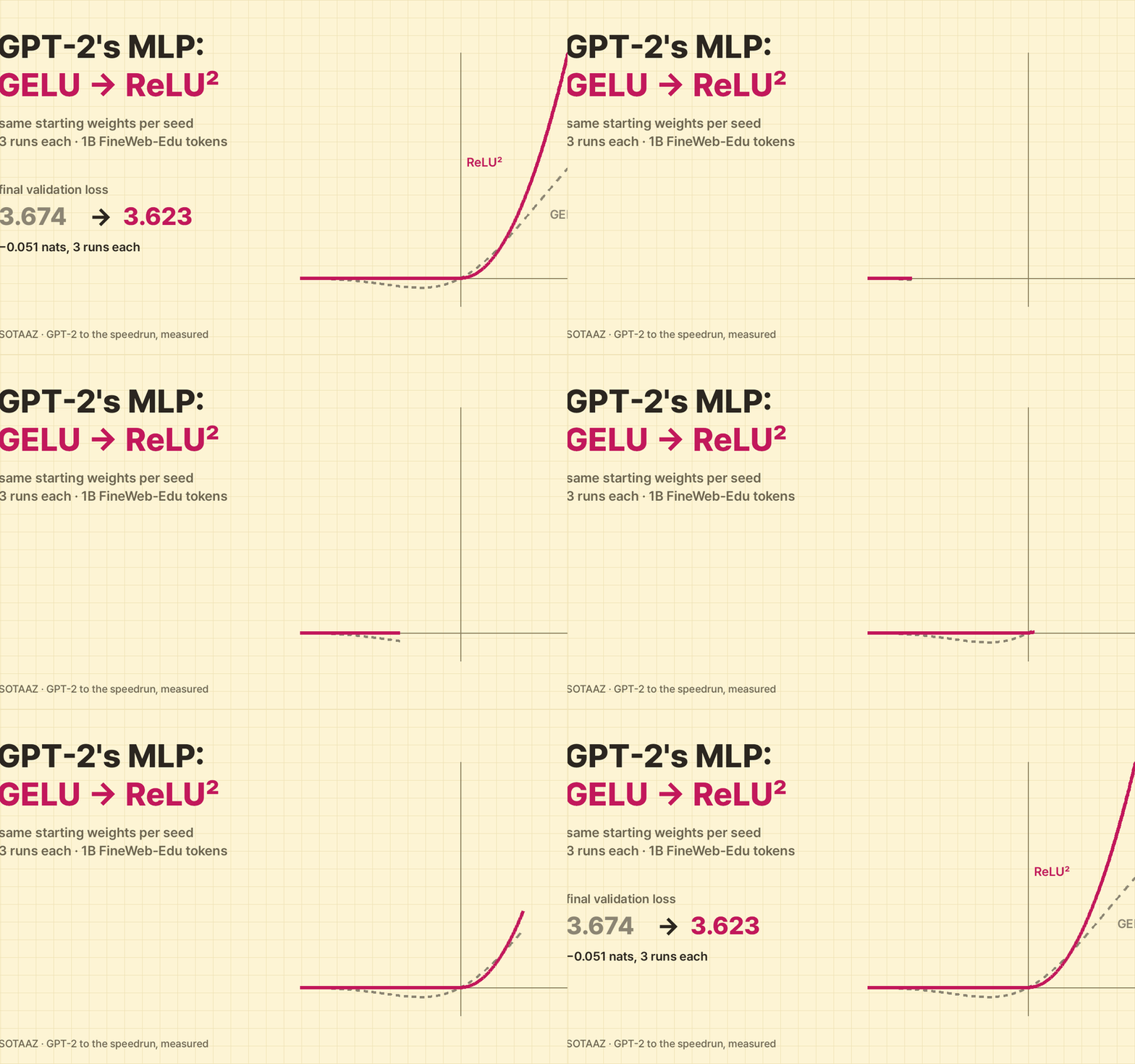
GPT-2 with ReLU² Instead of GELU: 0.051 Lower Loss After 1B Tokens, From the Same Starting Weights
Three GPT-2 (124M) runs with ReLU² in the MLP ended at 3.623 mean validation loss after 1B FineWeb-Edu tokens, against 3.674 for GPT-2's GELU, at GPT-2's learning rate. Each pair started from identical weights, so the activation is the only difference. The gap clears the series' pre-registered bar (0.010) five times over and was below it at no checkpoint.
Pretraining Without Backprop, Rerun: What Happens to Dust When Backprop Gets Adam or More Epochs?
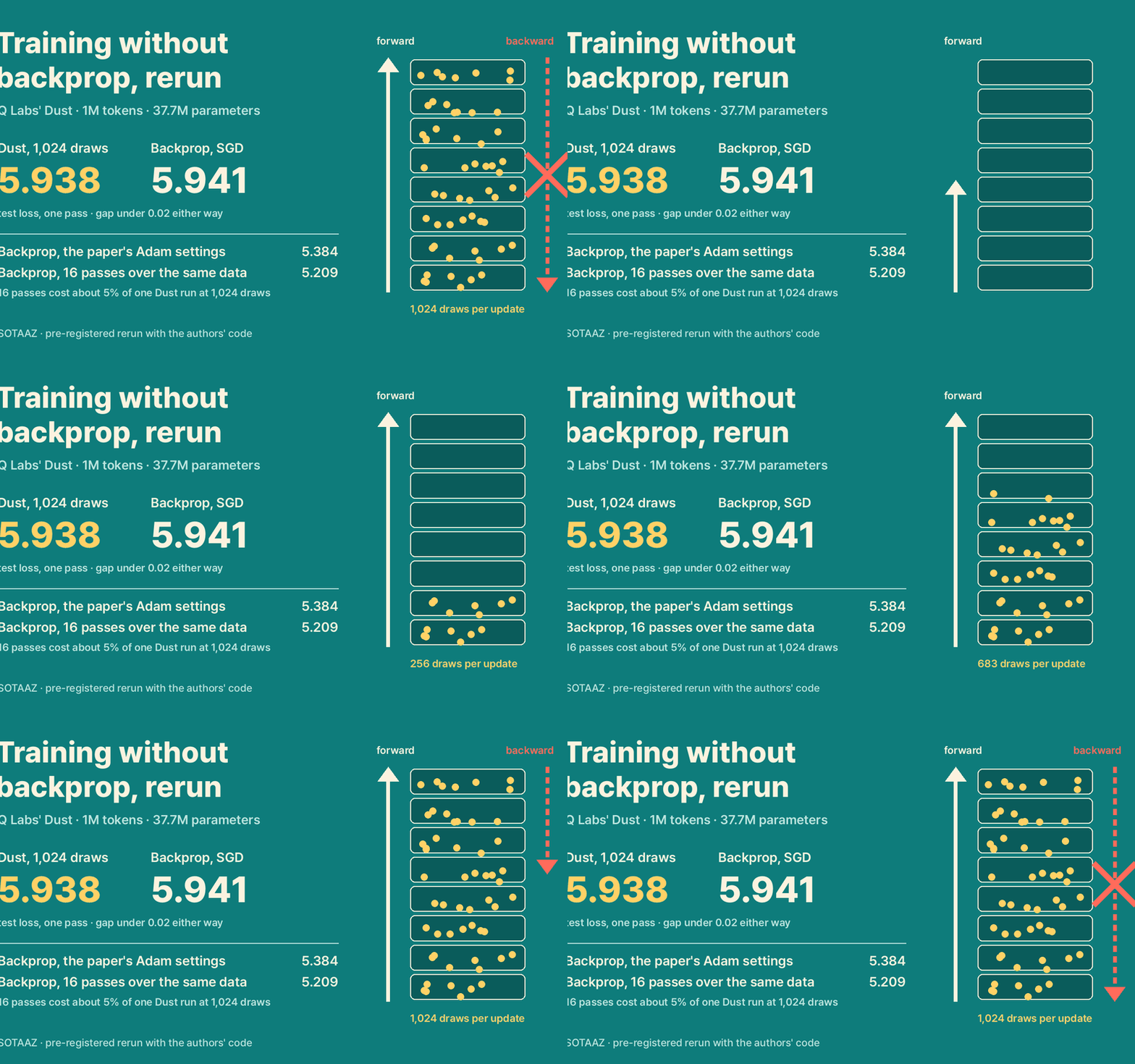
We reran Q Labs' Dust at 1M tokens with its own code. Under the paper's SGD setup our numbers matched the paper's, and with 20 backprop seeds the gap between Dust at 1,024 draws and backprop was under 0.02 (5.938 vs 5.941), smaller than the paper's 0.025. Backprop with the paper's Adam settings reached 5.384 in the same single epoch, and 16 epochs over the same 1M tokens reached 5.209 with SGD while using about 5% of Dust's compute. Our first Adam run came out worse than SGD; the paper's own settings fixed it, and we note what to check in your own runs.
Where Decision Models Go Wrong: Four Situations Behind the Sentences Most of Them Miss
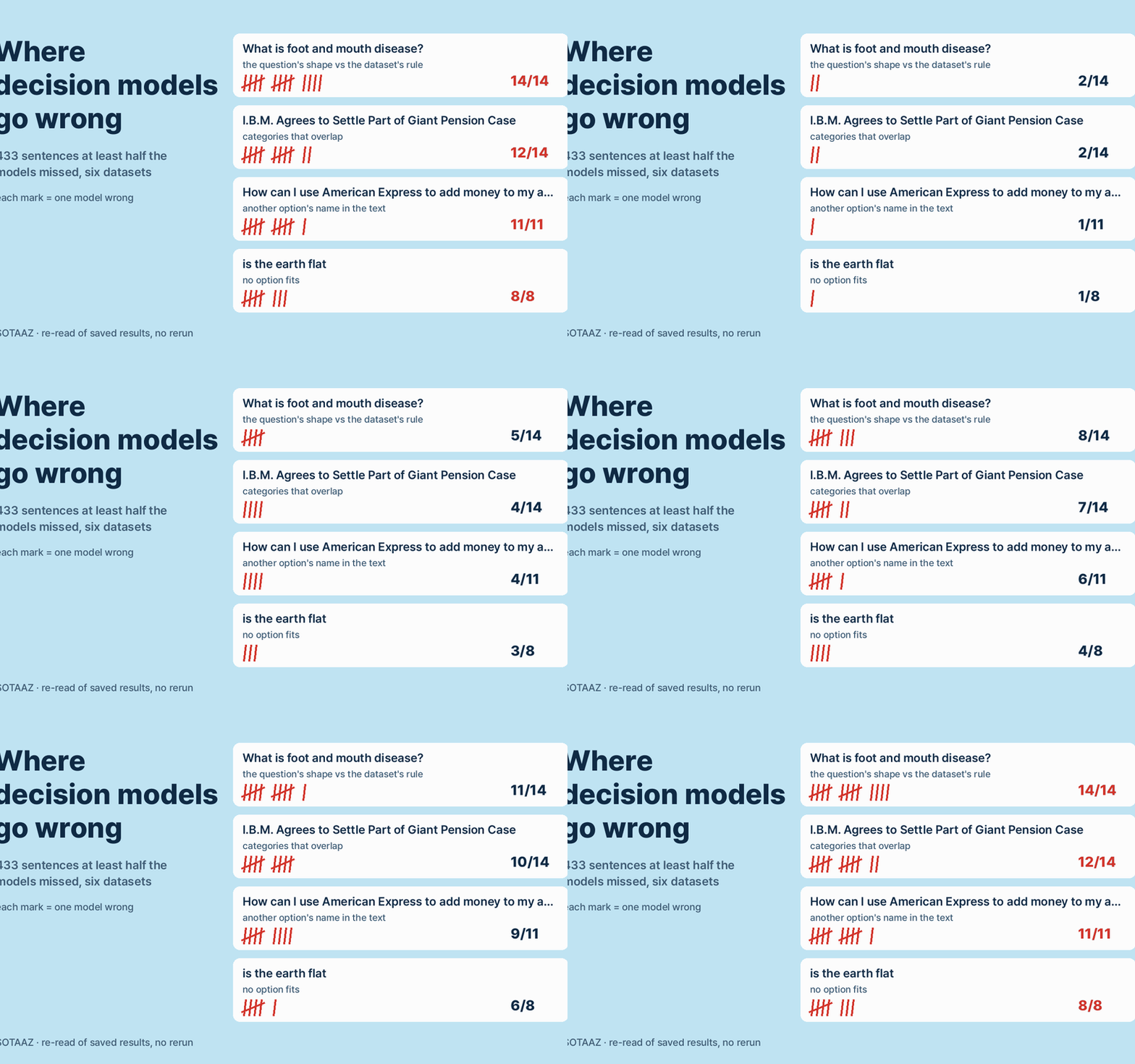
We re-read the per-sentence results of up to 14 Jev-style decision models on six datasets and kept the 433 sentences at least half of them got wrong. Grouping those sentences and checking a few simple features showed four recurring situations: the question's shape and the dataset's rule disagree, categories overlap, the sentence contains another option's name, and no option fits. Examples, a full table of groups, and what to check in your own options.
Is EmbeddingGemma 2 Better Than EmbeddingGemma 1 for Korean Search? We Tested It on 177 of Our Own Posts
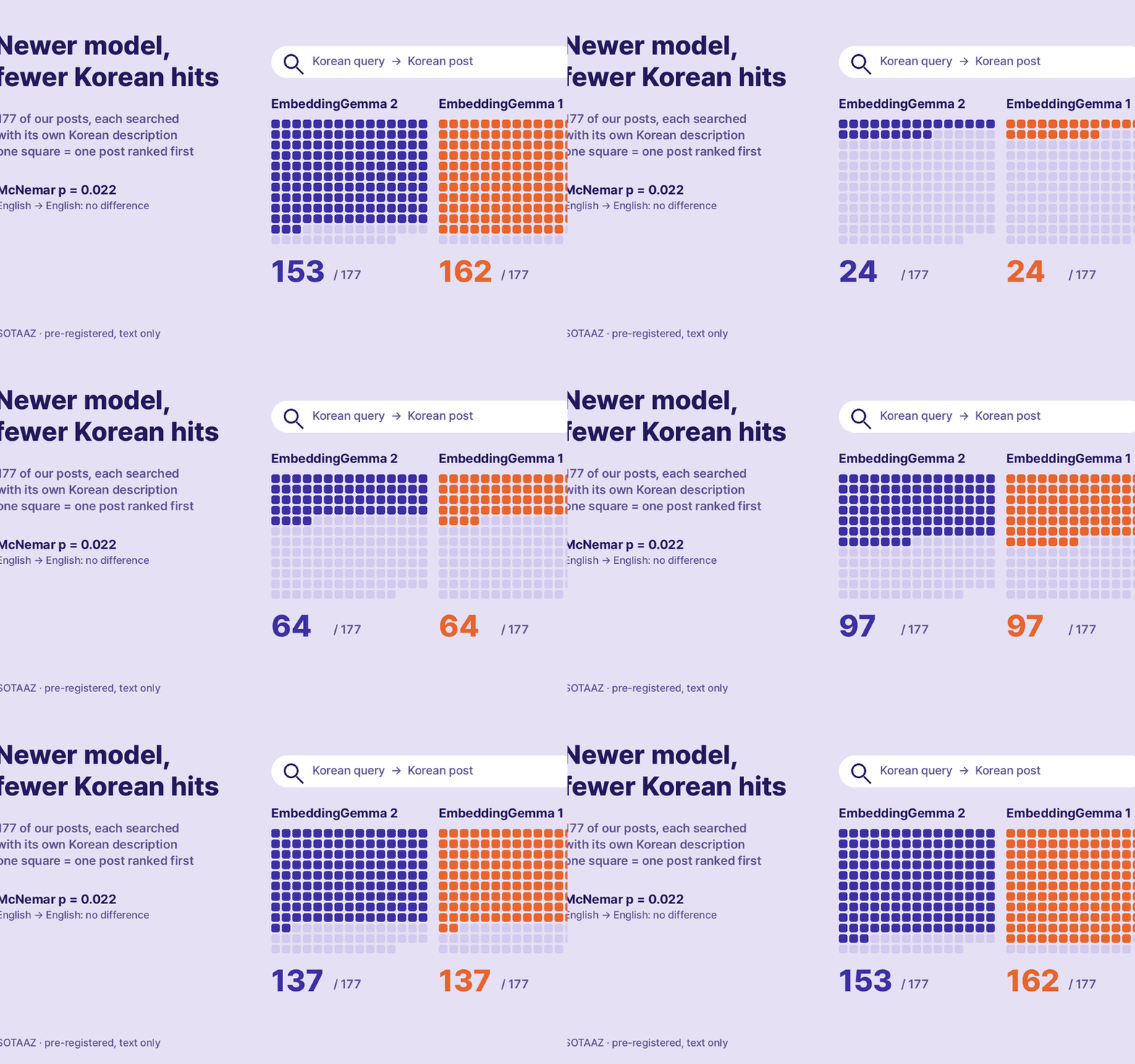
We searched our 177 published Korean/English post pairs with each post's description as the query. With Korean queries, EmbeddingGemma 1 ranked the right post first more often than EmbeddingGemma 2: 162 vs 153 posts in Korean (p = 0.022) and 164 vs 155 when the target was the English version (p = 0.035). English-to-English showed no difference. Pre-registered, text only.
Does laya Read Your Definitions or Your Labels? A Pre-Registered Rerun of the Label-Bias Test
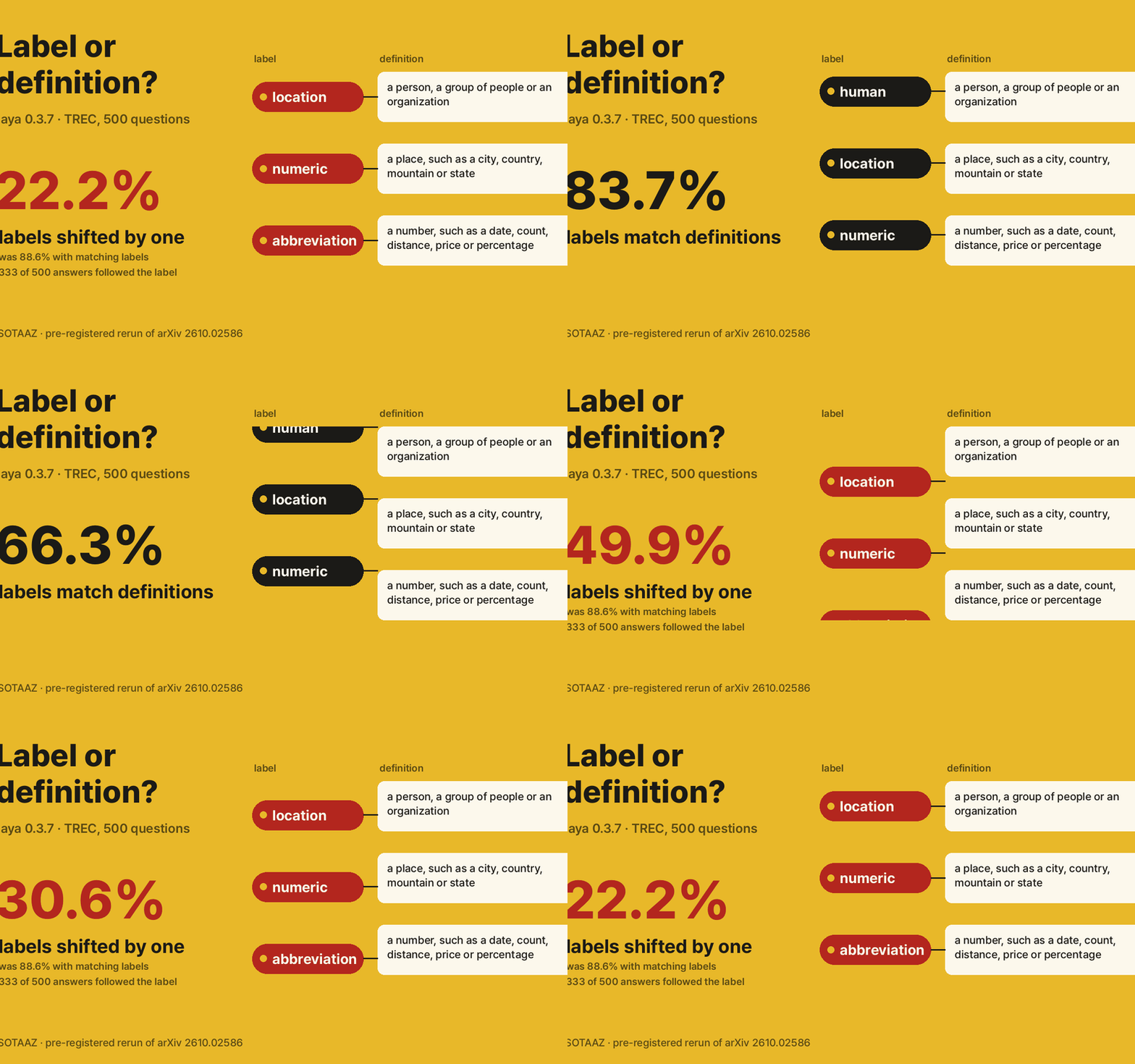
We reran the 'labels override definitions' tests from arXiv 2610.02586 on two laya 0.3.7 checkpoints with our own TREC and AG News sets. Changing one line of prompt rendering made predictions identical whatever the labels were called. When labels contradicted the definitions, laya's TREC accuracy fell from 88.6% to 22.2%, and its top probability ranked right and wrong answers backwards (AUROC 0.36), the same direction the paper reports.
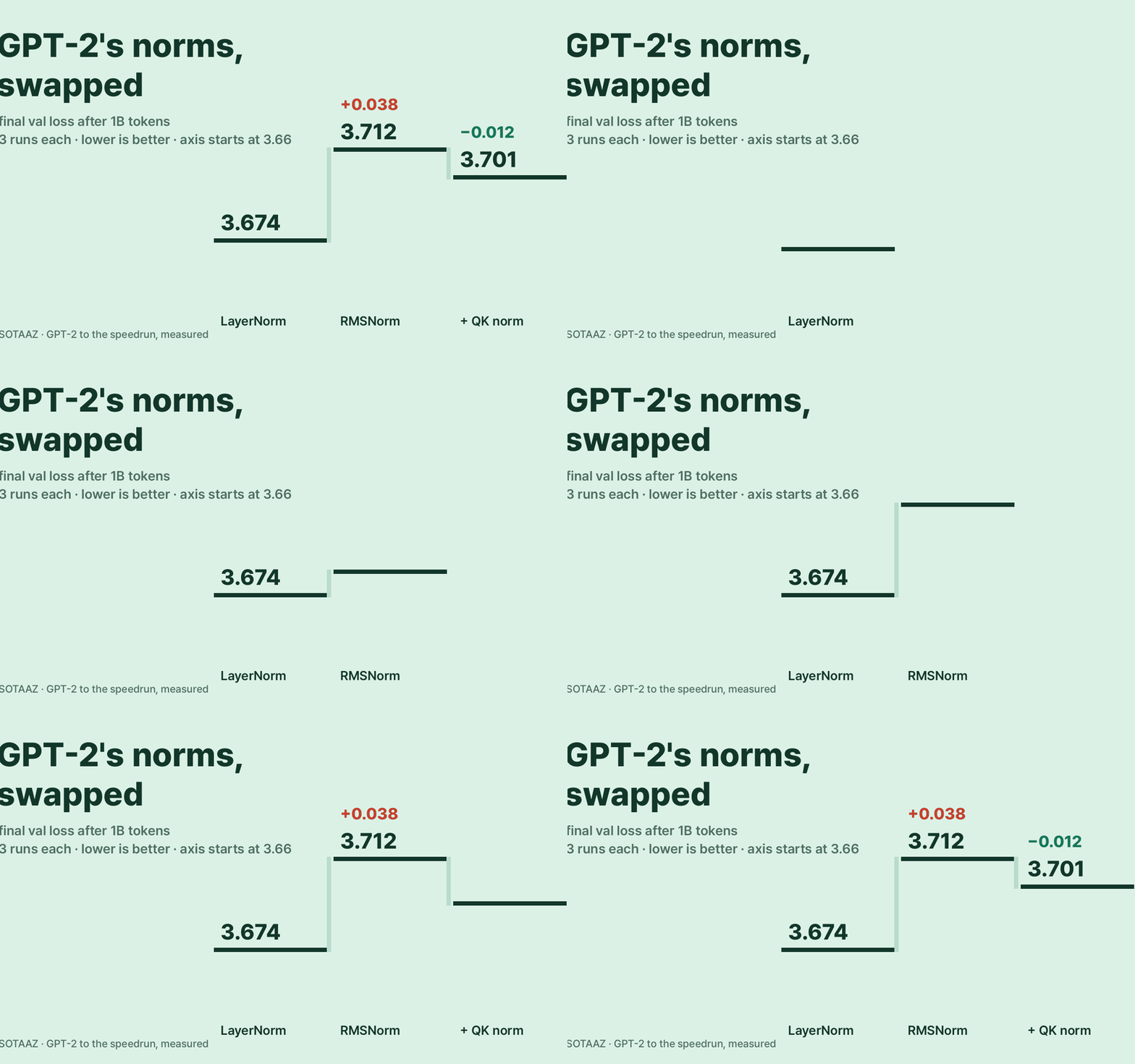
GPT-2 with Parameter-Free RMSNorm: 0.038 Higher Loss After 1B Tokens; QK Norm Won Back 0.012, Barely Past the Bar
Swapping all of GPT-2's LayerNorms for parameter-free RMSNorm raised the mean validation loss after 1B FineWeb-Edu tokens from 3.674 to 3.712, three runs each at GPT-2's learning rate. Adding QK norm on top brought it to 3.701, a 0.012 gain that clears this series' pre-registered bar (0.011) by 0.001. Throughput differences stayed within run-to-run variation, and the logged gradient norms showed no instability to fix.
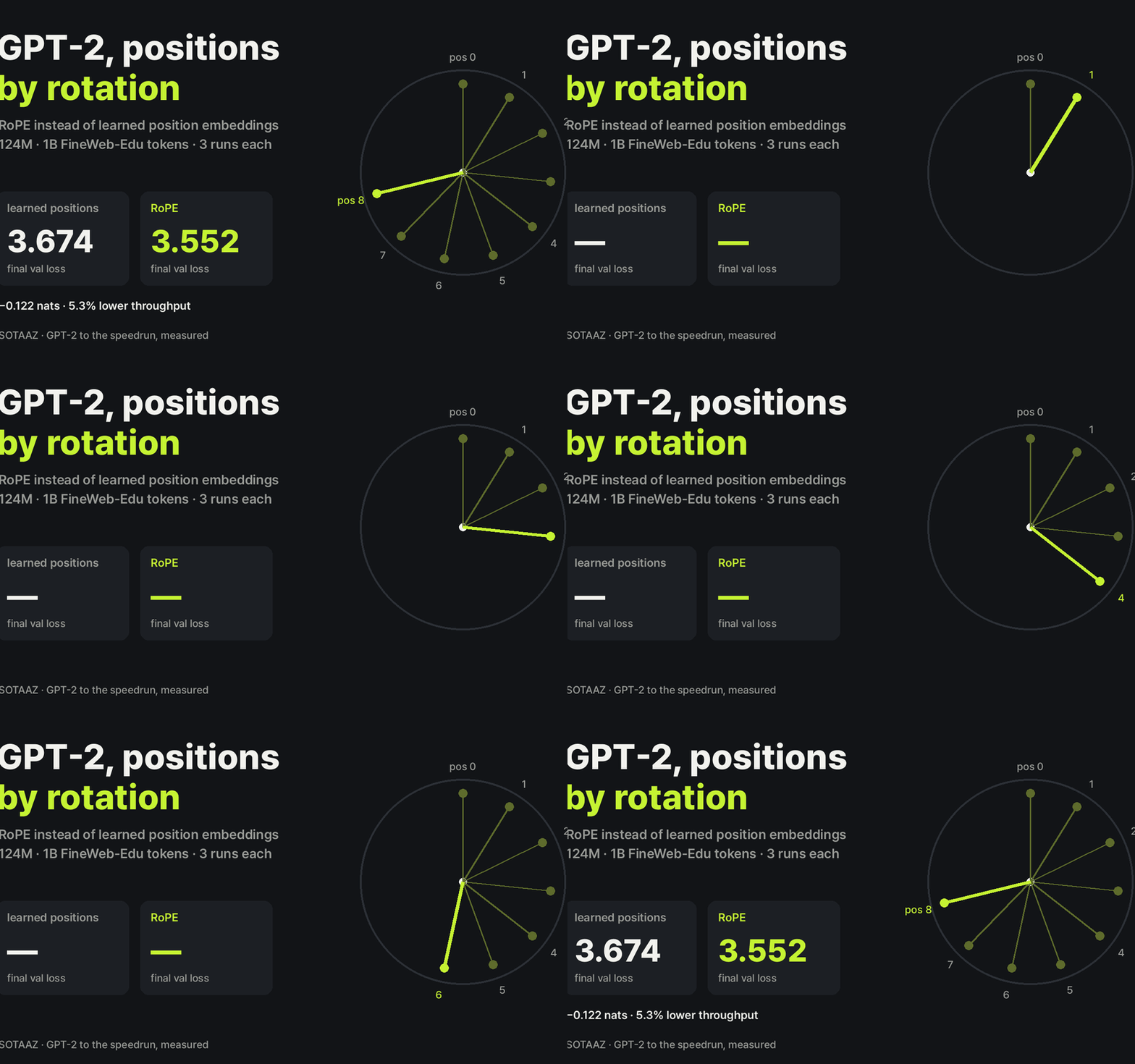
GPT-2 with RoPE Instead of Learned Position Embeddings: 0.122 Lower Loss After 1B Tokens, 5% Slower
Three GPT-2 (124M) runs with rotary position embeddings ended at 3.552 mean validation loss after 1B FineWeb-Edu tokens, against 3.674 for three runs with GPT-2's learned position embeddings. The gap clears this series' pre-registered bar (0.012) by ten times, at GPT-2's learning rate. RoPE ran 5.3% slower on this code.
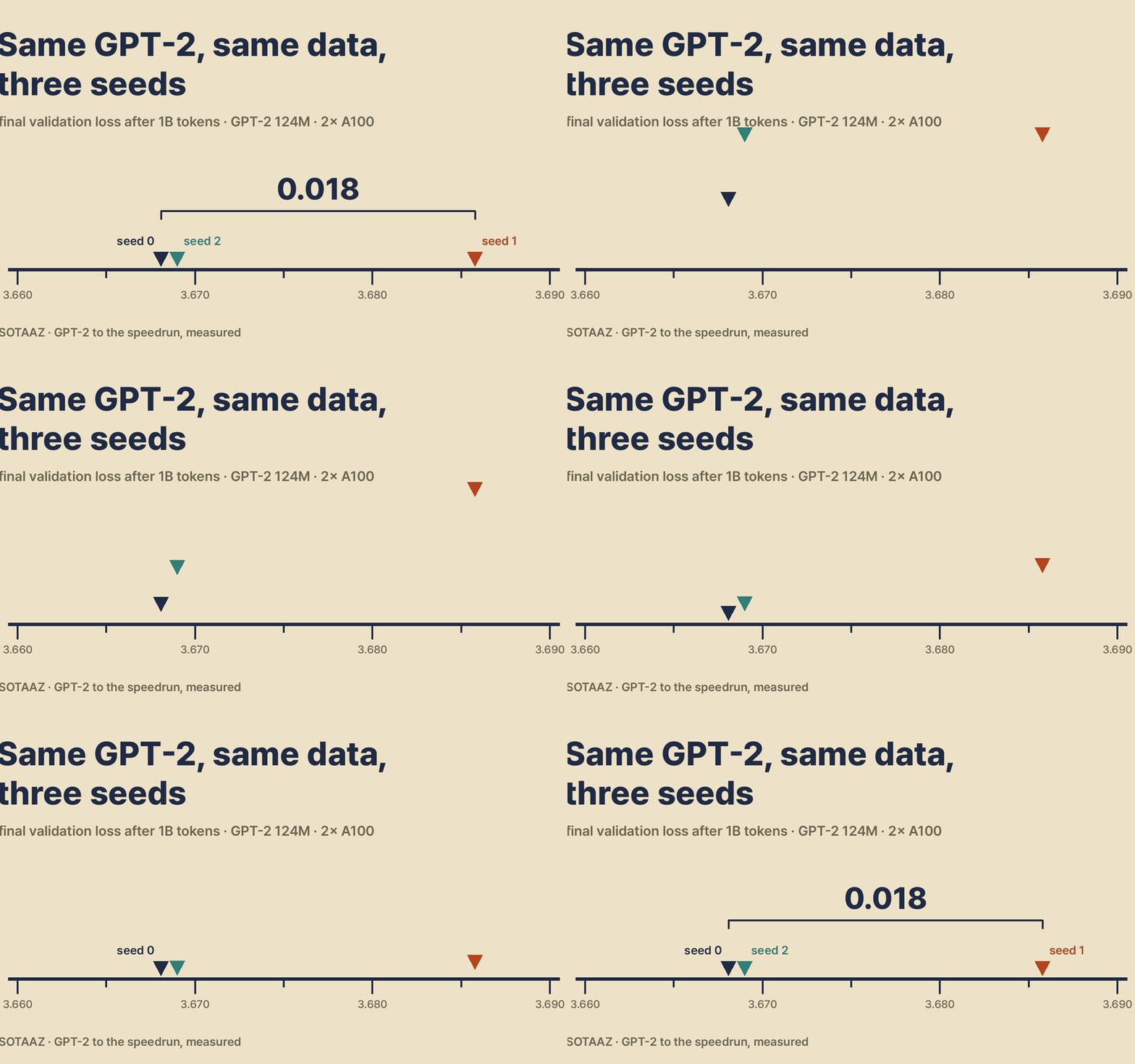
Same GPT-2, Same Data, Three Seeds: The Final Loss Spread 0.018 Nats
Three GPT-2 (124M) runs on 1B FineWeb-Edu tokens that differed only in the random seed ended at 3.668, 3.669 and 3.686 validation loss (sd 0.010). Seed 0 run again with the same command landed 0.0035 away. With three seeds per side, a change has to beat 0.016 nats before this series calls it real.
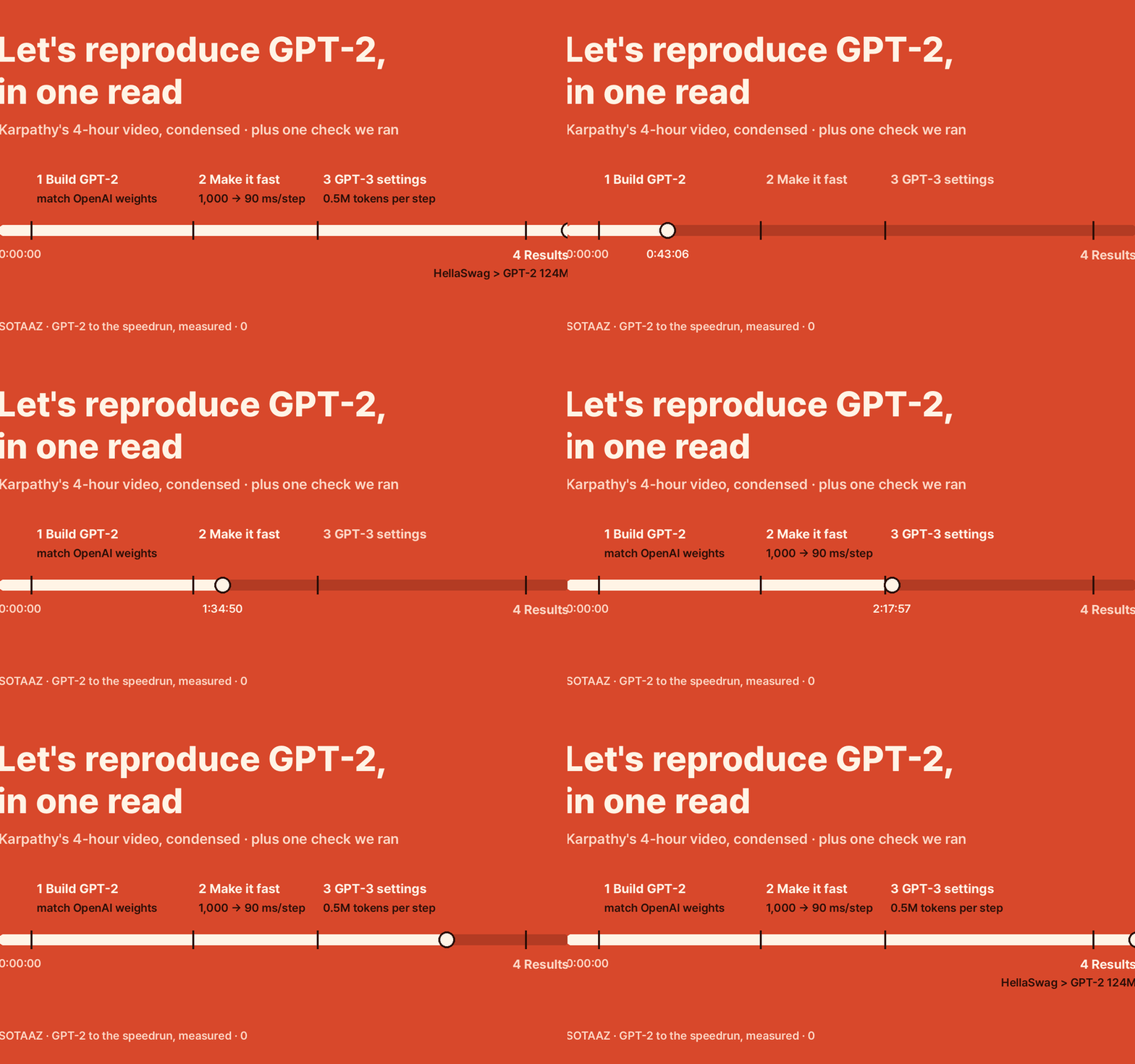
Karpathy's “Let's Reproduce GPT-2” in One Read: The Four Parts, Their Numbers, and What Changed Since
A condensed walk through the 4-hour video: building GPT-2 (124M), taking a step from 1,000 ms to 90 ms on one A100, the GPT-3 training settings, and a 10B-token run that beat OpenAI's checkpoint on HellaSwag. Plus one check we ran: nanoGPT's exact GELU moves logits by up to 5 against GPT-2's.
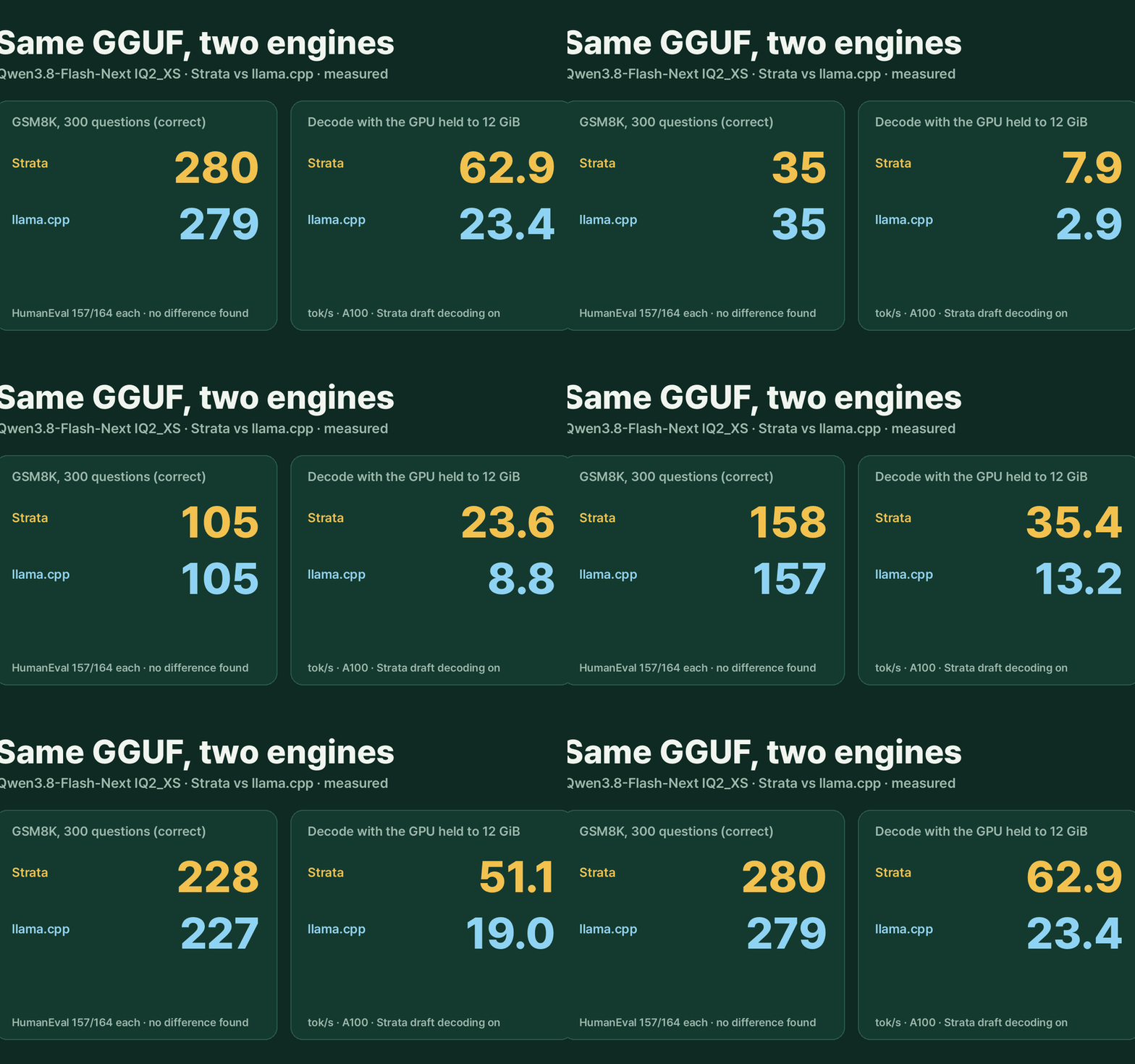
Strata vs llama.cpp on the Same Qwen3.8-Flash-Next File: No Score Difference Found, Faster Within 12 GiB
Same IQ2_XS file in both engines: GSM8K 93.3% vs 93.0%, HumanEval 157/164 each, no vision gap showed up on 100 COCO images. Held to 12 GiB, Strata (draft decoding on) decoded 62.9 tok/s to llama.cpp's 23.4.
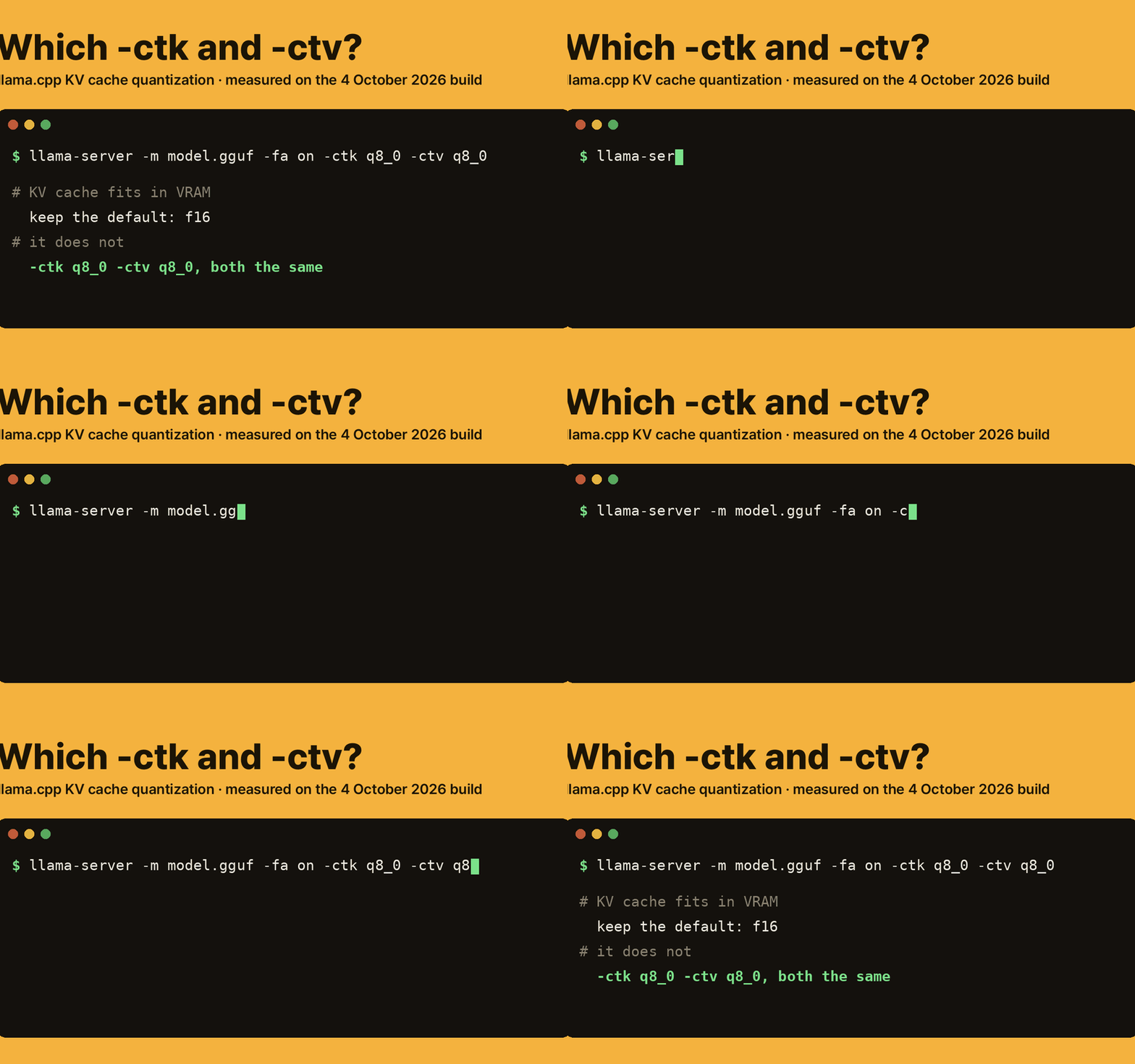
llama.cpp KV Cache Quantization: Which -ctk and -ctv to Use, Measured on the Current Build
Keep f16 if the KV cache fits. If not, set -ctk q8_0 -ctv q8_0: it saved 4.2 GiB at 64K but decoded at 56% of f16's speed there.
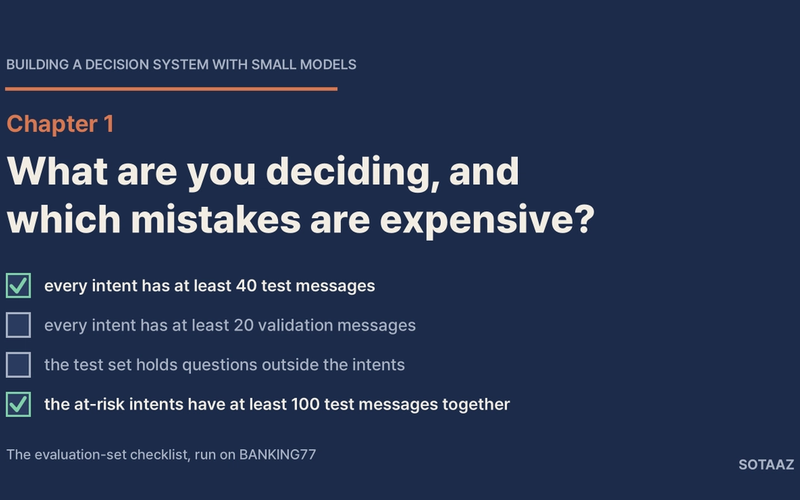
What Are You Deciding, and Which Mistakes Are Expensive? Chapter 1 of a Book on Building Decision Systems
Free chapter: before training anything, count what each intent can tell you, find the intents likely to be confused, and write down what each mistake costs. The code runs in under a second.
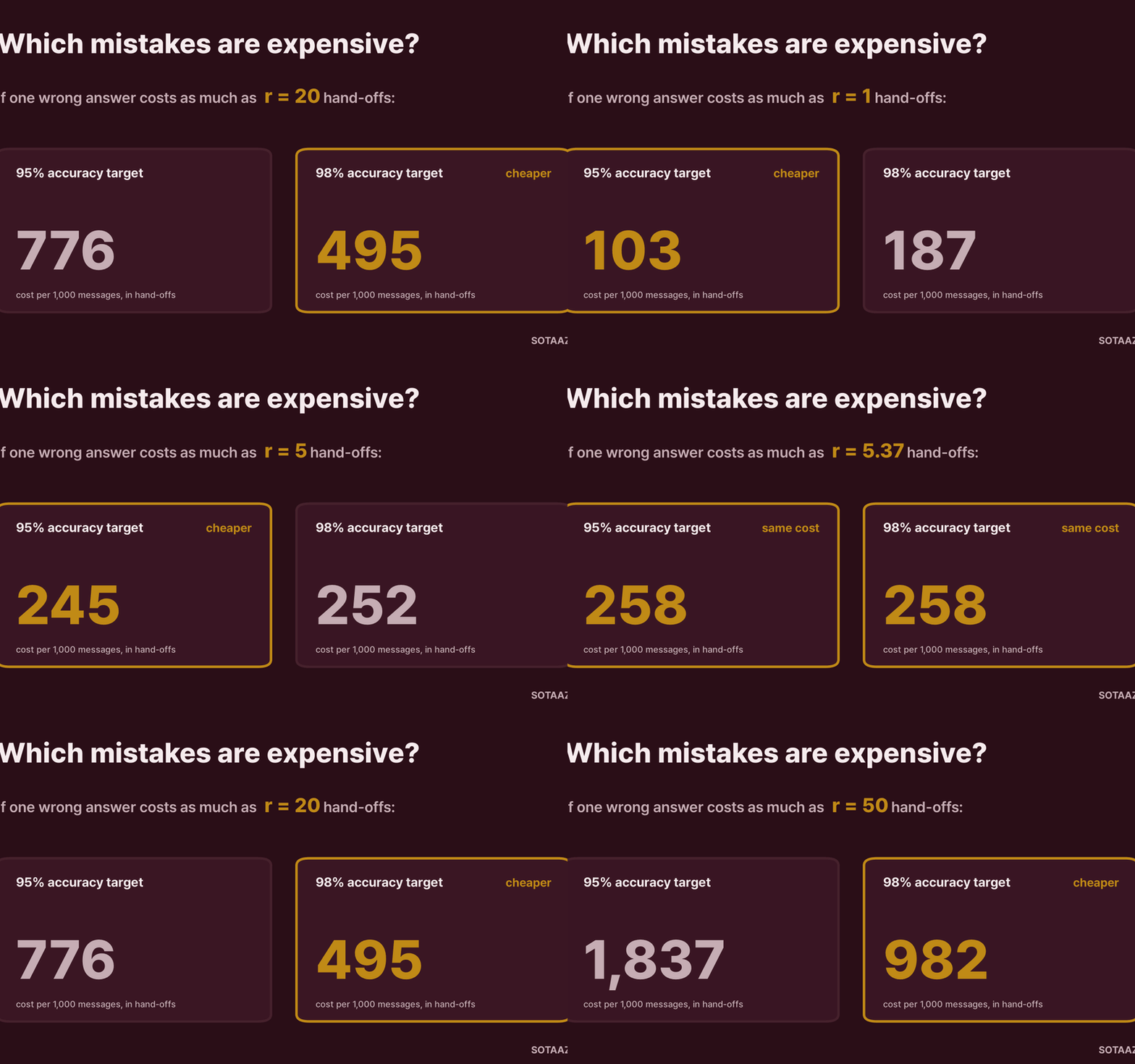
Which Mistakes Are Expensive? One Routing System Re-scored at Seven Prices for a Wrong Answer
Re-scoring 3,080 BANKING77 messages: the price of a wrong answer moved the threshold far more than the choice of model, and decision models paid only when a wrong answer cost two hand-offs or less.
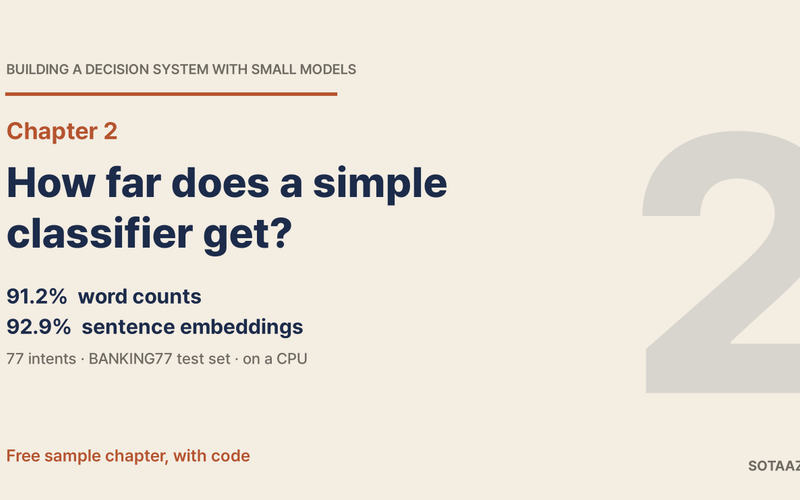
How Far Does a Simple Classifier Get? Chapter 2 of a Book on Building Decision Systems
Free sample chapter: split BANKING77 before training, then two CPU classifiers reach 91.2% and 92.9% on the test set, with code that runs in about a minute.
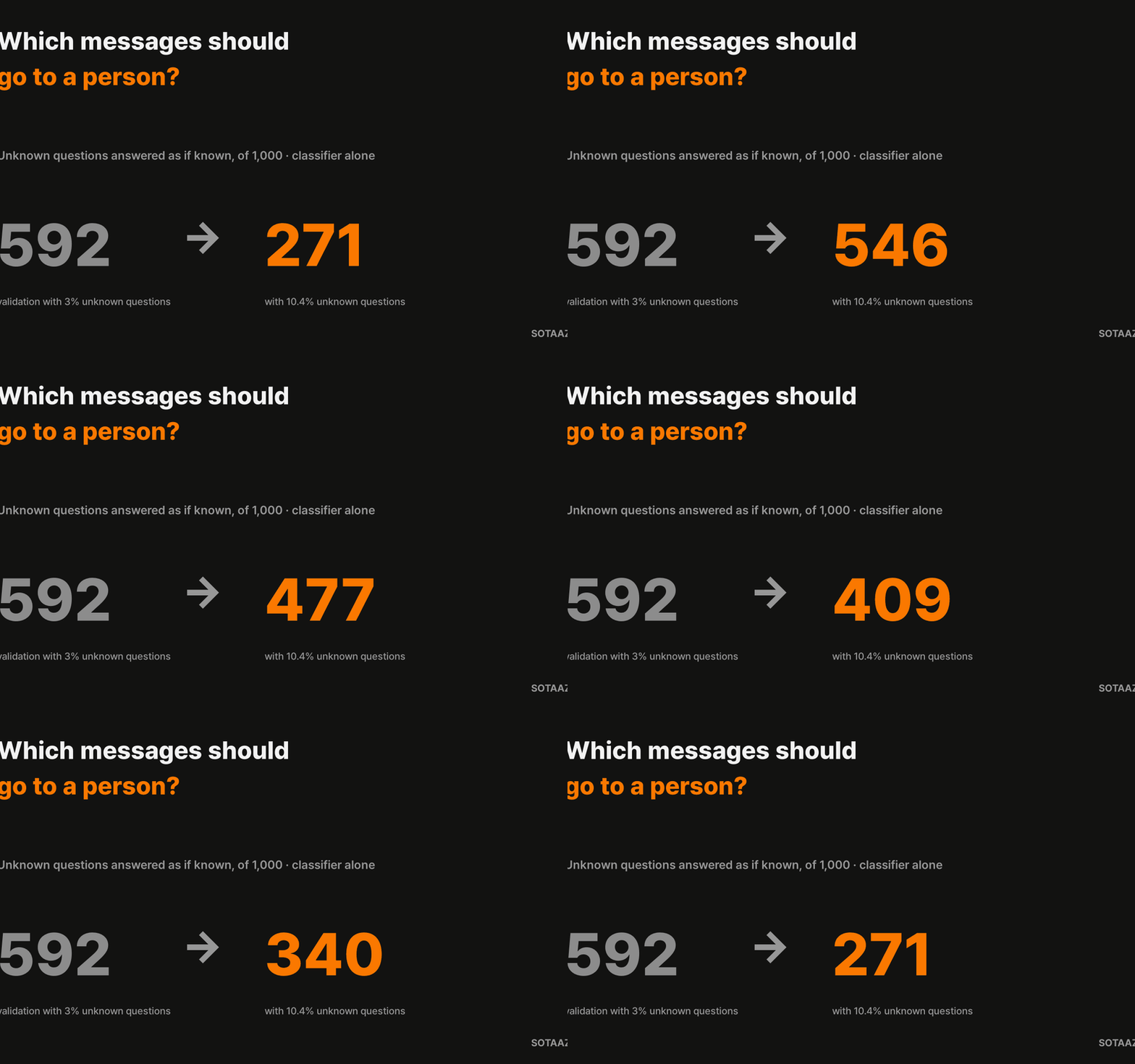
Which Messages Should Go to a Person? A Classifier, a Decision Model and a Hand-Off, Measured
On BANKING77 a decision model after a classifier saved no hand-offs. On CLINC150 unknown questions broke the thresholds; adding 250 to validation halved the leaks.
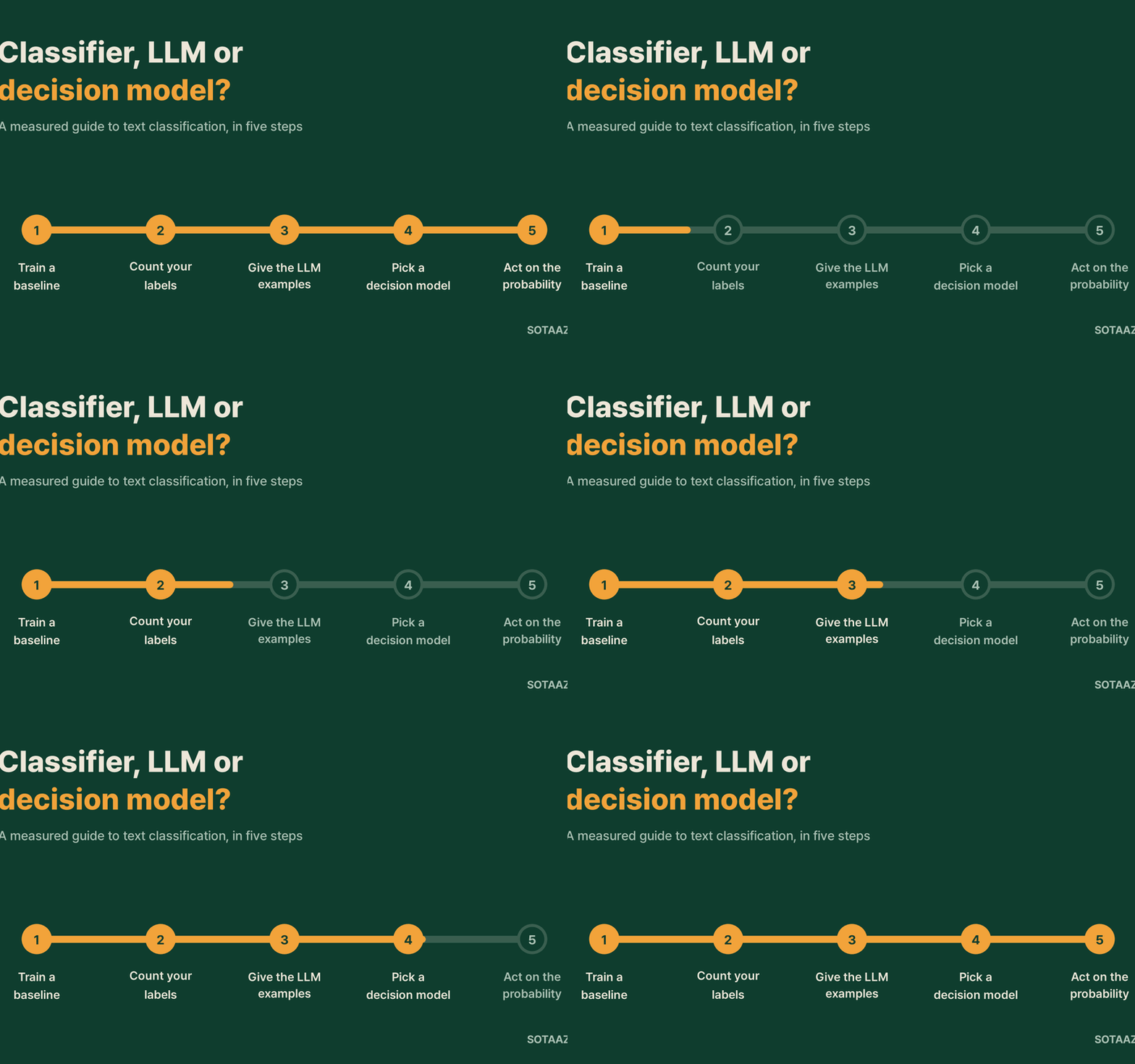
Classifier, LLM or Decision Model? A Measured Guide to Text Classification
One path through every text-classification measurement on this blog: on the same 154 banking messages, a CPU classifier scored 90.3%, an LLM with five retrieved examples 94.8%, and Jev 76.0%. Which to use, and when.

Jev-Style Decision Models in Ollama 0.35: Nimble and Tev1, Setup and Benchmark
Jev itself is not in Ollama, but Ollama 0.35 adds a Jev-compatible API with Nimble and Tev1. How to call /v1/systemone, its 26-option limit, and how the models scored against Jev on the same questions.
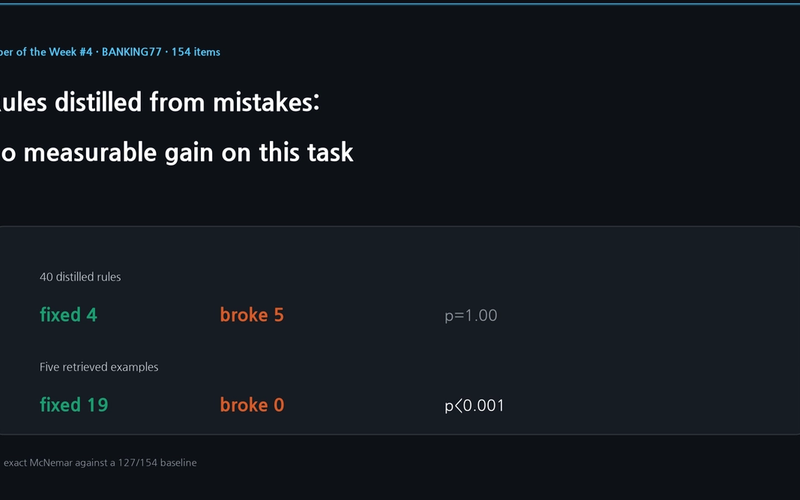
Paper of the Week #4 — A Memory of Procedures, or a Memory of Examples?
Designer-RSI grows a natural-language skill bank from user traffic and lifts execution success from 72.7% to 99.3% with no weight updates. I built the narrow version on a task with human labels: 40 rules distilled from the model's own mistakes fixed 4 items and broke 5. Retrieving five raw examples fixed 19 and broke none.
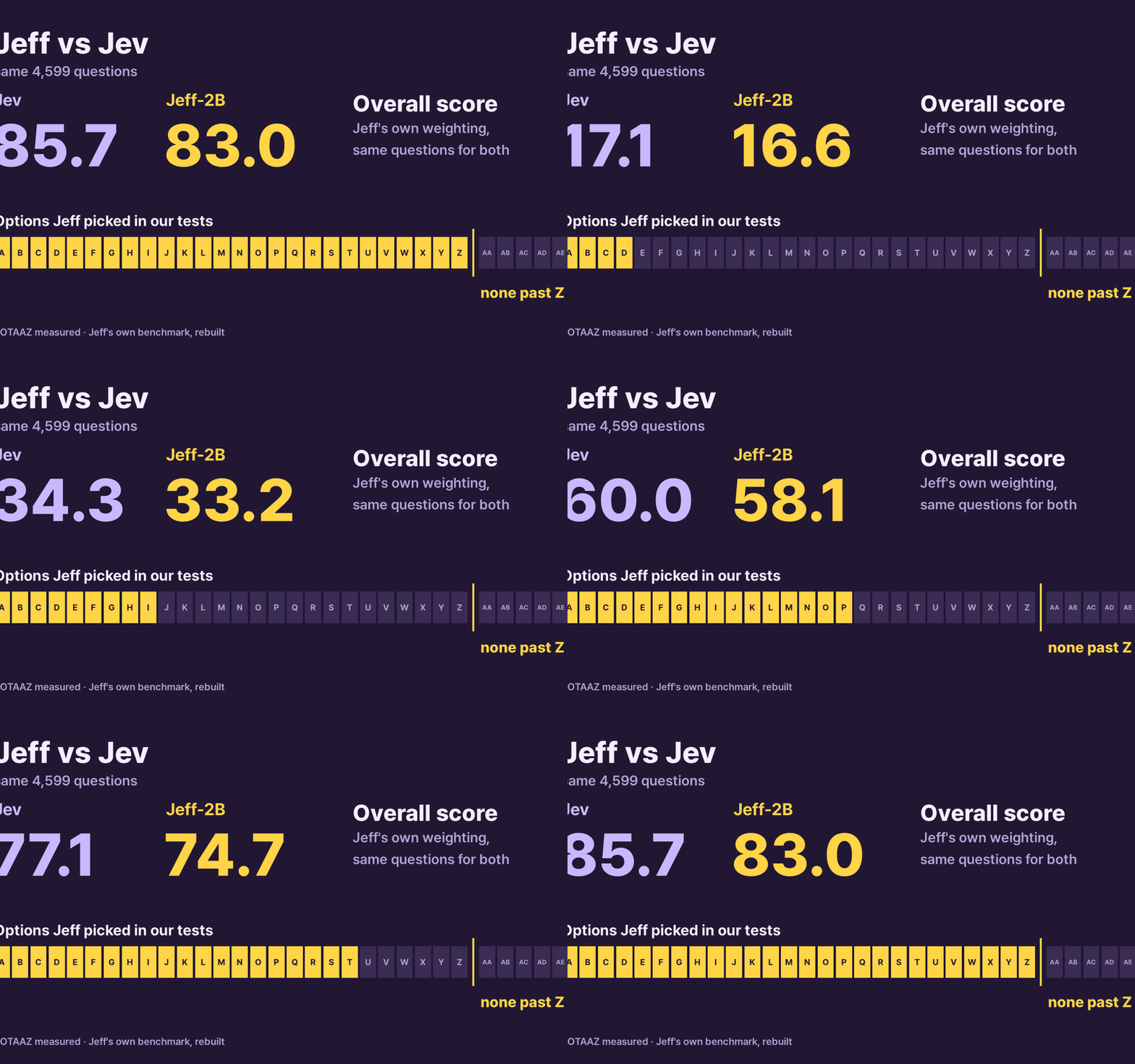
Jeff vs Jev on the Same Questions: Overall Scores and a 26-Option Limit (Fixed in v1.1)
On Jeff's own 4,599 questions, Jev scored 85.7 and Jeff-2B 83.0. Jeff v1.0 never picked an option past the 26th in my tests; v1.1 fixes that, remeasured.
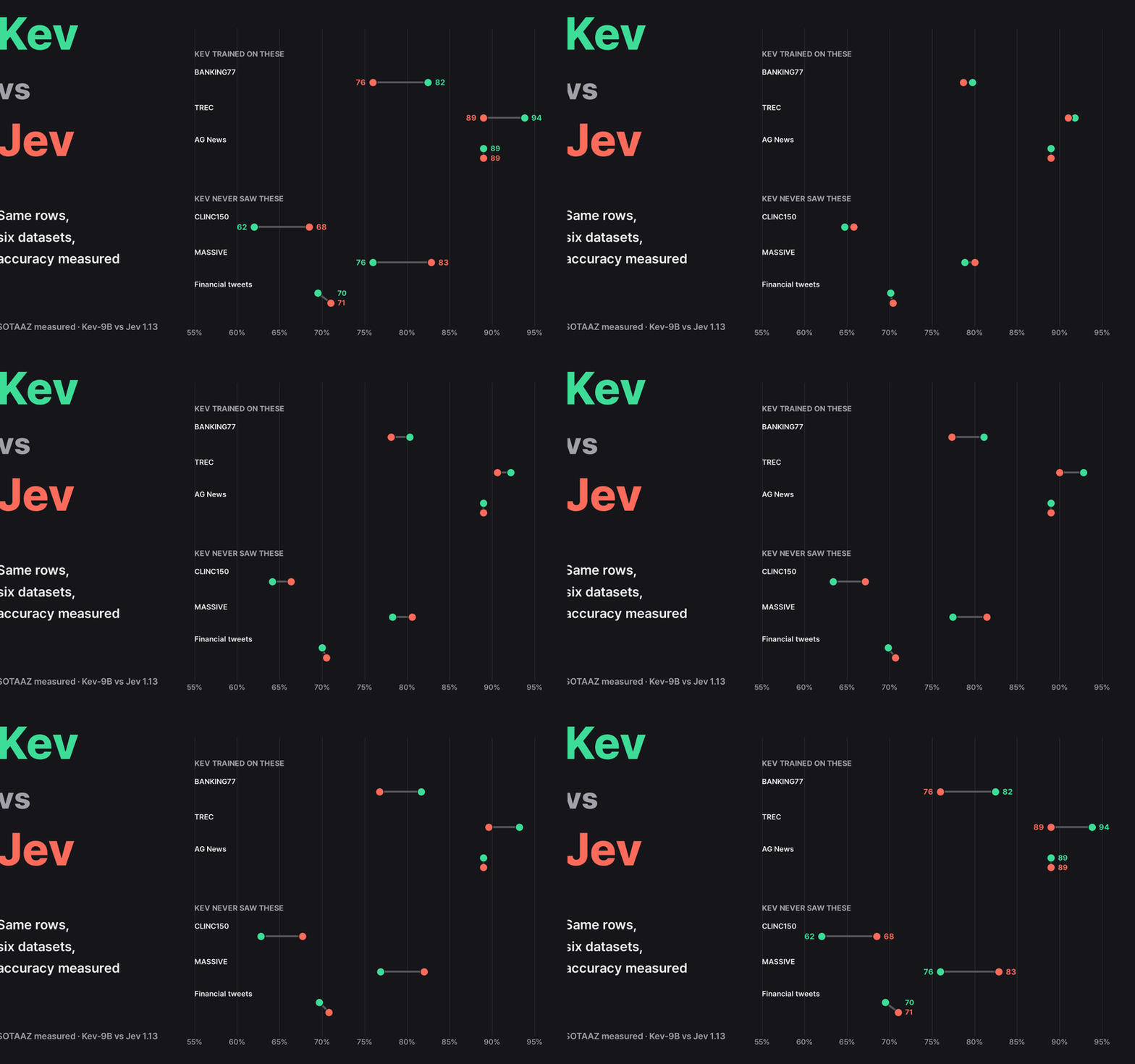
Kev vs Jev: Kev 0.8B to 9B Benchmarked for Accuracy and Calibration
Kev (0.8B, 4B, 9B) and Jev 1.13 on the same 1,629 labelled messages (2,329 requests). On the three datasets Kev trained on, Kev-9B was as accurate or more (TREC 93.8% vs 89.0%). On three it never saw, Jev was ahead on two (CLINC150 68.5% vs 62.0%, MASSIVE 82.9% vs 76.0%). Jev's probabilities ran high and come rounded to two decimals, so on BANKING77 no threshold reached 95% accuracy.
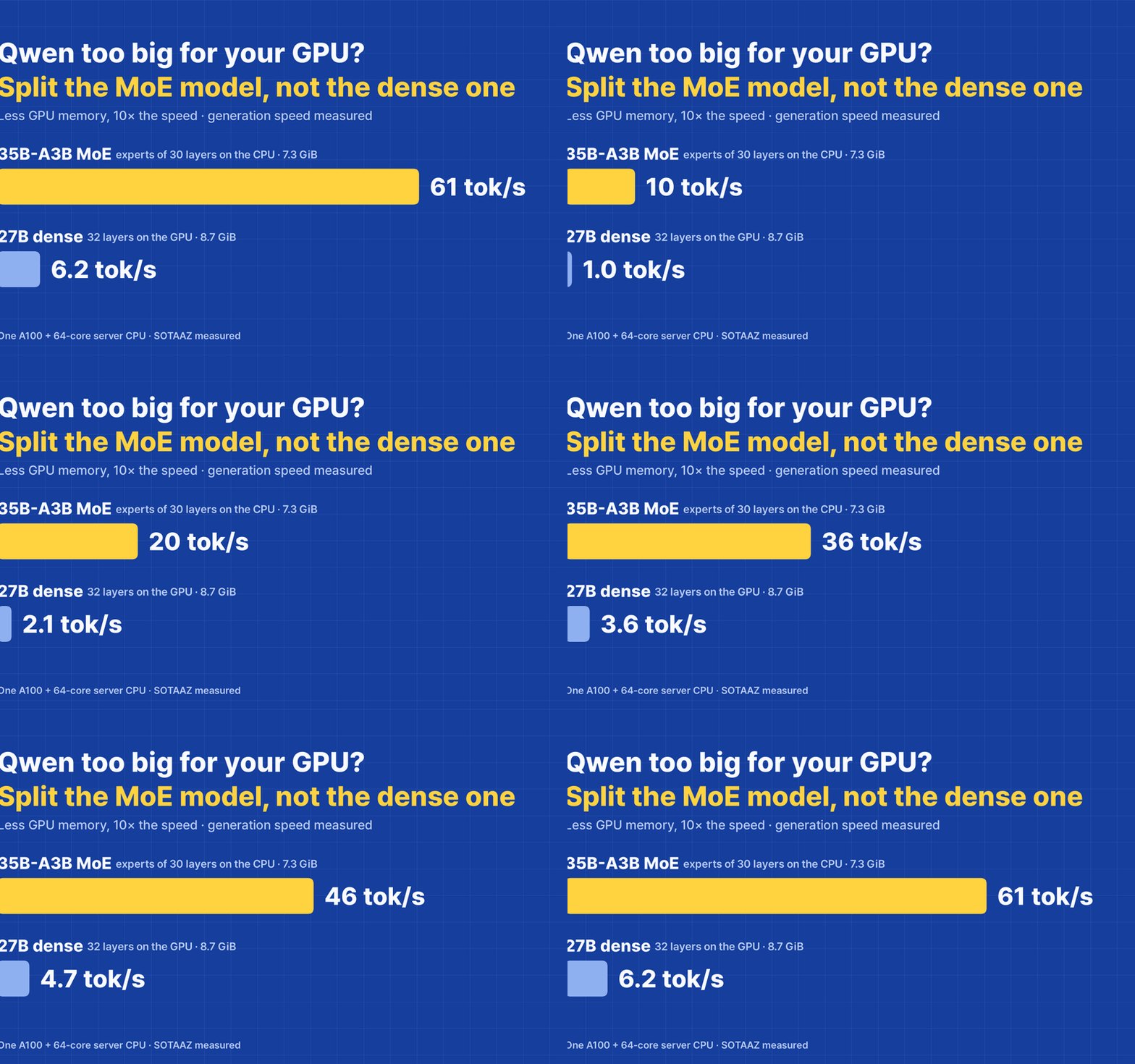
How to Run Qwen Locally: Which File Fits Your GPU (8, 12, 16 or 24 GB), Measured
Which Qwen GGUF fits an 8, 12, 16 or 24 GB GPU, with measured memory: 9B Q4_K_M 5.8 GiB, 27B Q3_K_XL 13.1 GiB, 35B-A3B 7.3 GiB with 30 layers' experts on the CPU.
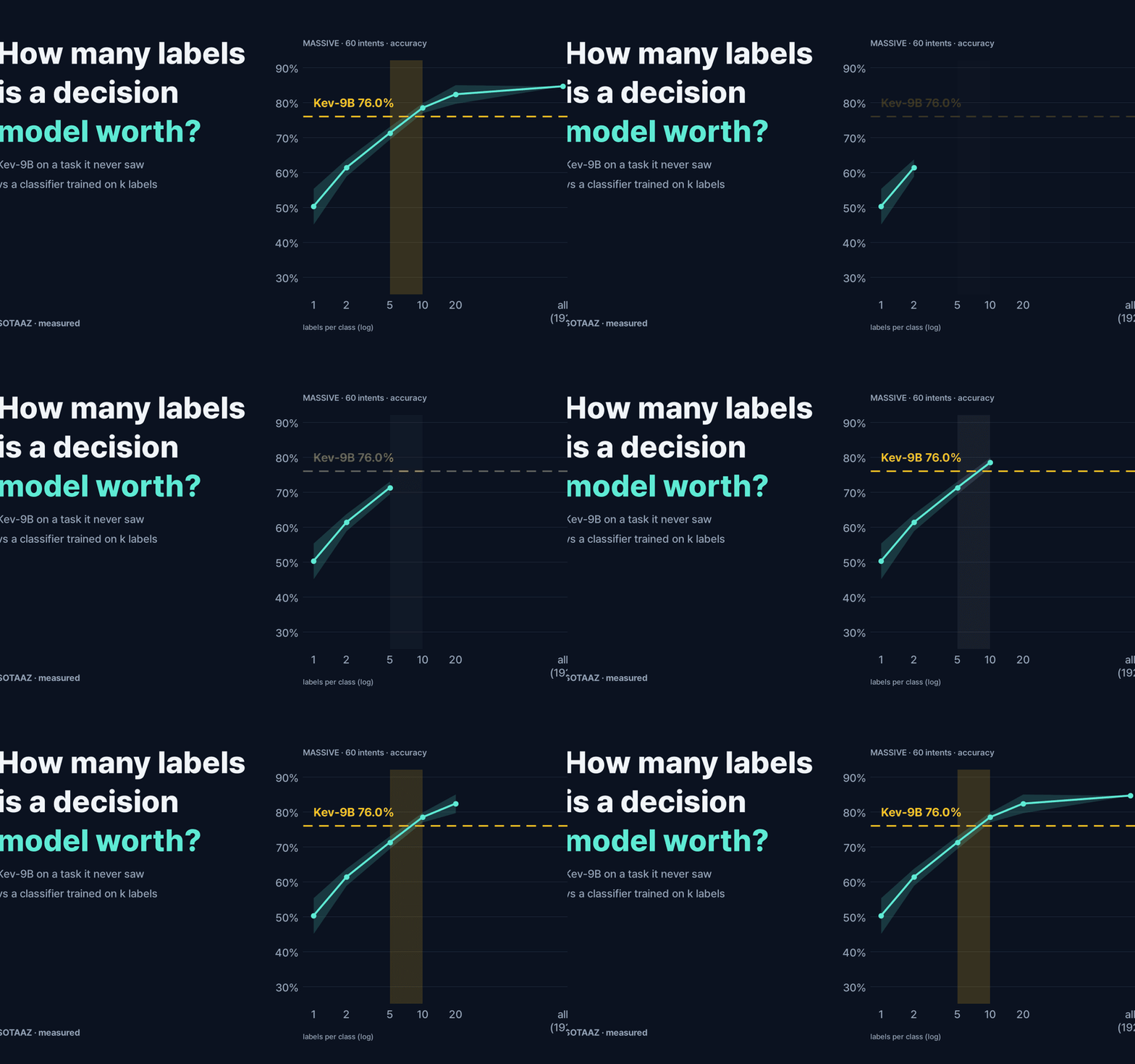
How Many Labels Is a Decision Model Worth? Kev on Three Tasks It Never Saw
On CLINC150, MASSIVE and financial-news tweets, none of which Kev trained on, Kev-9B matched a small classifier trained on roughly 2 to 20 labelled examples per class. Its probabilities ran too low: stated confidence sat 10–17 points under its accuracy (calibration error 11–17%, against 2–9% on familiar data), so a 95%-accuracy threshold passed only 23–58% of messages. Out-of-scope questions got low probabilities: 5 of 100 passed that threshold. The 0.8B model answered 'Financials' to 152 of 200 tweets.
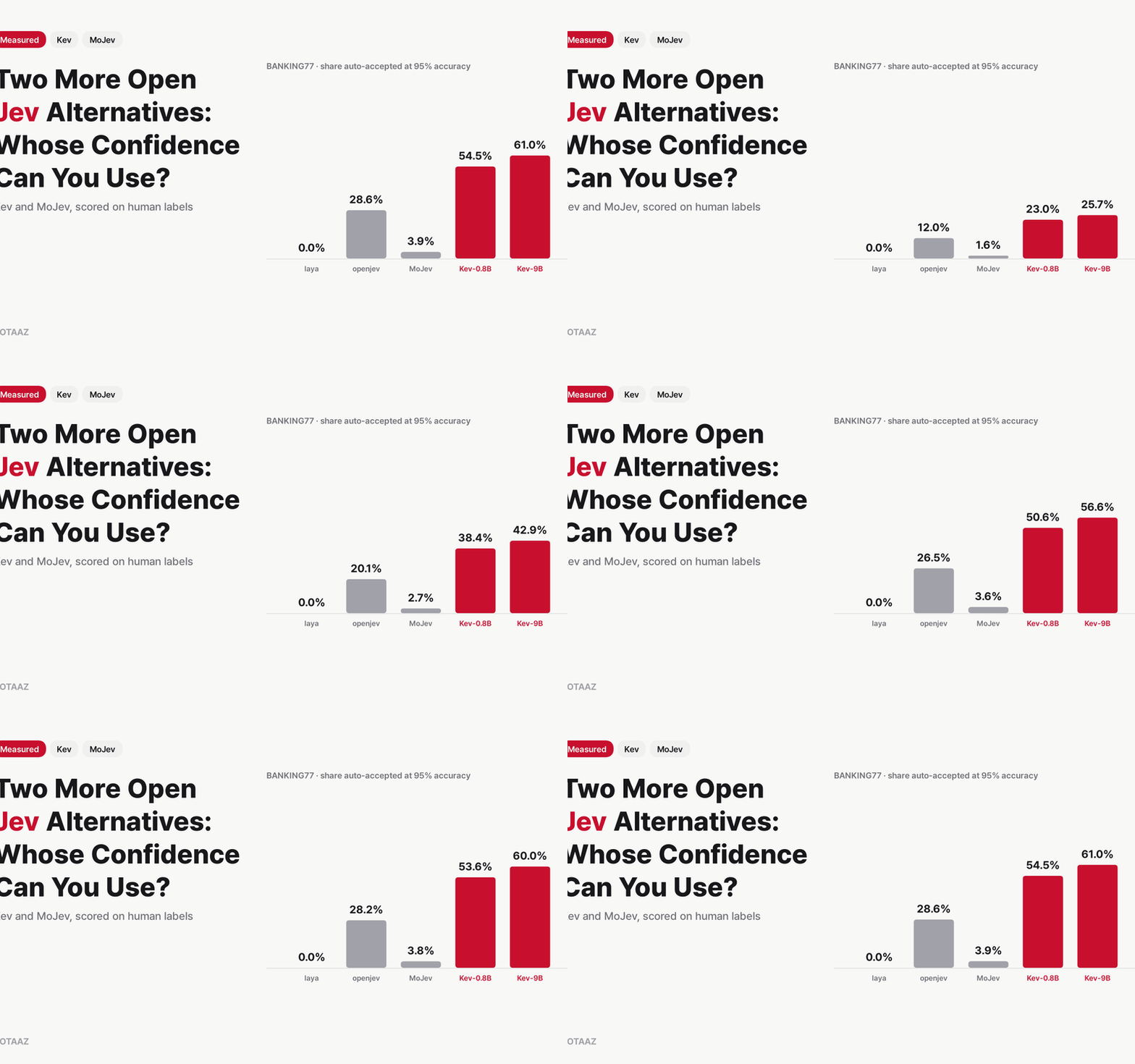
Kev vs MoJev: Two More Open Jev Alternatives, Accuracy and Confidence Measured
Kev (0.8B to 9B) and MoJev (0.85B) both speak Jev's API. On BANKING77, TREC and AG News with human labels, Kev's probabilities were usable: at 95% accuracy it could auto-accept 53–61% of BANKING77, where laya managed 0%. But Kev was trained on these three datasets, and a small classifier trained on the same data still beat it on BANKING77. MoJev reports 0.79% calibration error; here it was 6–22%, with probabilities too low.
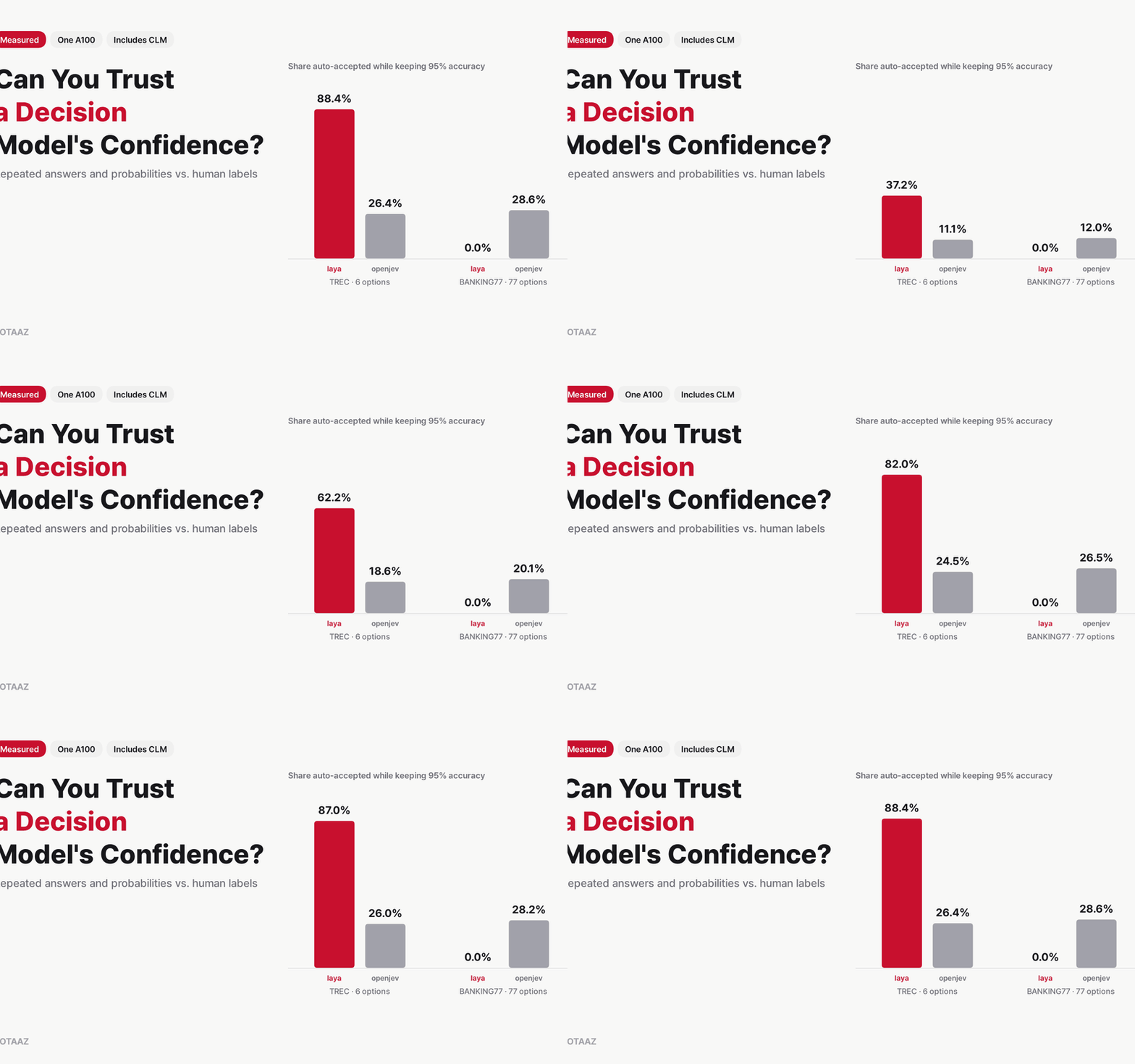
Can You Trust a Decision Model's Confidence? Repeated Answers and Probabilities, Measured
Decision models sell a probability with every answer, so you can act on the sure ones and escalate the rest. I checked both ways of judging 'sure' on human-labelled data. Across 8 noise draws, 77–80% of openjev's wrong answers were unanimous. Probabilities did better, but how useful they were varied sharply by task: laya could auto-accept 88% of TREC at 95% accuracy and 0% of BANKING77. The new CLM-8B stayed near chance on all three datasets when given label names.
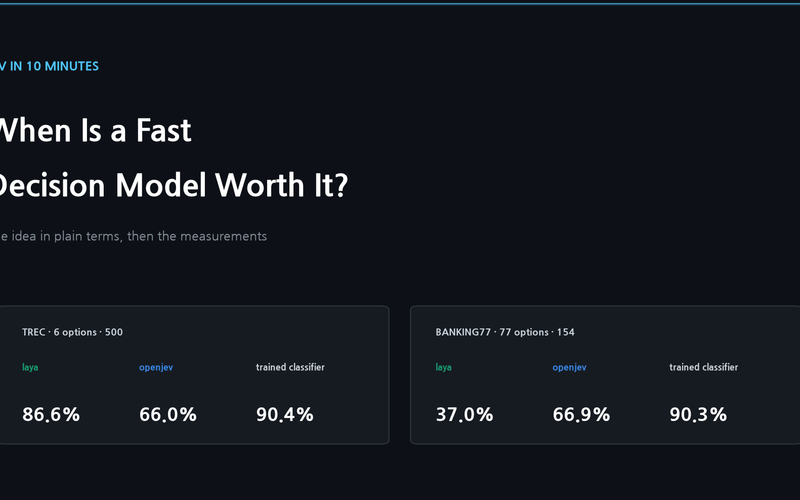
Jev in 10 Minutes: What a Fast Decision Model Is, and When It Is Worth Using
Jev answers a question with a probability for each option instead of writing text. What that is for, how open projects do the same thing, and what three rounds of measurement showed: with a handful of options a 421M model reached 86.6% in 23 ms, with 77 a small trained classifier on a CPU still led at 90%.
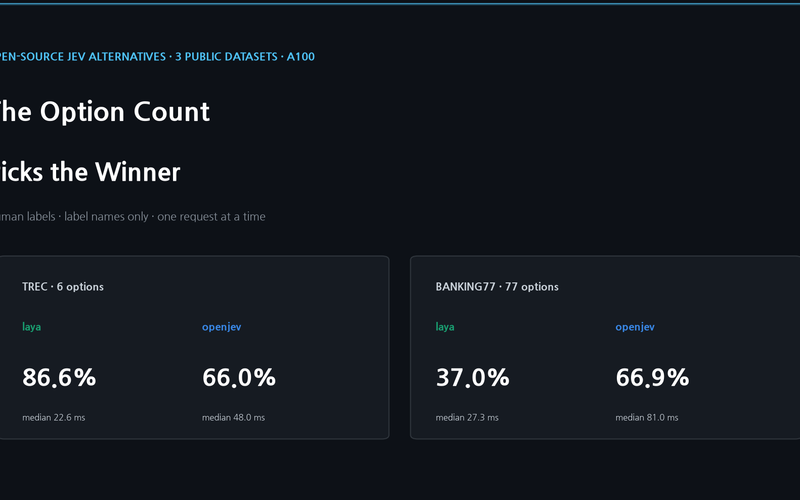
Jev Alternatives Benchmarked: laya vs openjev vs NanoJev on Three Public Datasets
I ran laya, openjev and NanoJev on BANKING77 (77 intents), TREC (6 question types) and AG News on one A100. With six options, laya's 421M encoder reached 86.6% on TREC in 23 ms. With 77, the DiffusionGemma-based openjev led at 66.9%, and a logistic regression on a CPU beat everything at 90%.
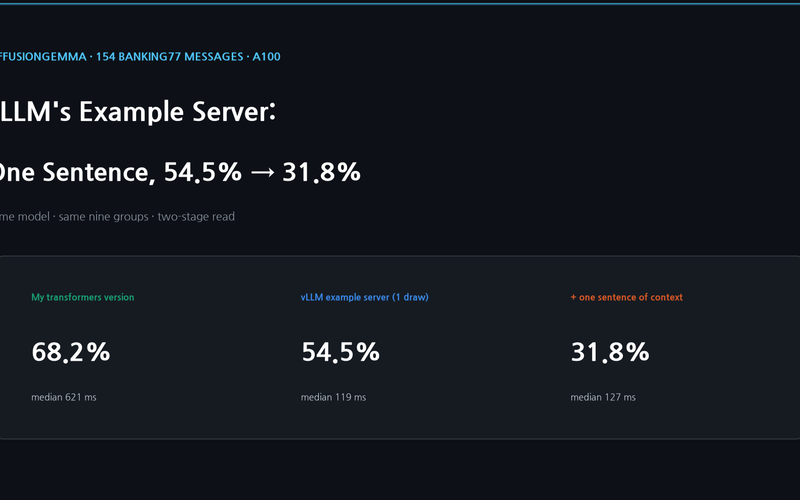
DiffusionGemma on vLLM's Example Server: One Sentence of Context Took It From 54.5% to 31.8%
I ran the example server from the merged vLLM pull request that turns DiffusionGemma into a decision model on 154 BANKING77 messages. It caps a question at 26 options, so I split the 77 intents into nine groups and read twice: 54.5% at 119 ms with one noise draw, 51.3% with the default draws. My transformers version of the same two-stage read scored 68.2%, and one added sentence describing the input dropped the server from 54.5% to 31.8%.
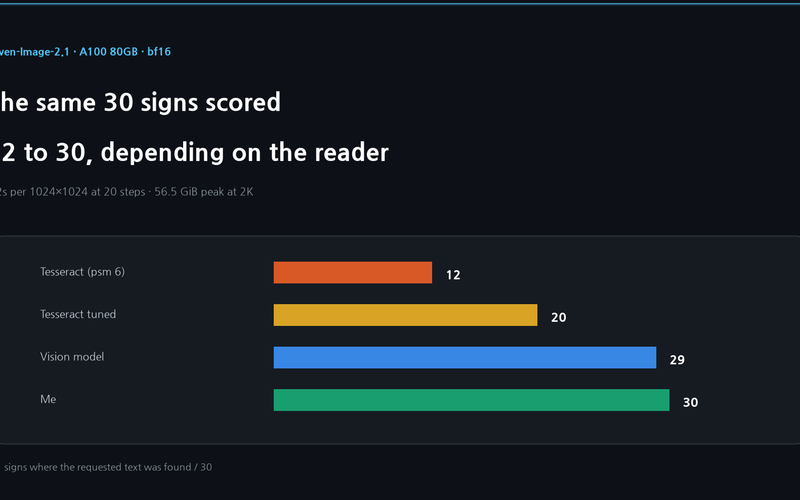
Qwen-Image-2.1 on One A100: What I Could Count, and What the OCR Got Wrong
8.2 seconds for a 1024x1024 image at 20 steps, 56.5 GiB peak at 2048x2048, and thirty sign images I checked myself all carried the text I asked for — while Tesseract found it in twelve. Editing is the weak half: four of eight mask-free instructions were followed, and the median image changed 84% of its pixels.
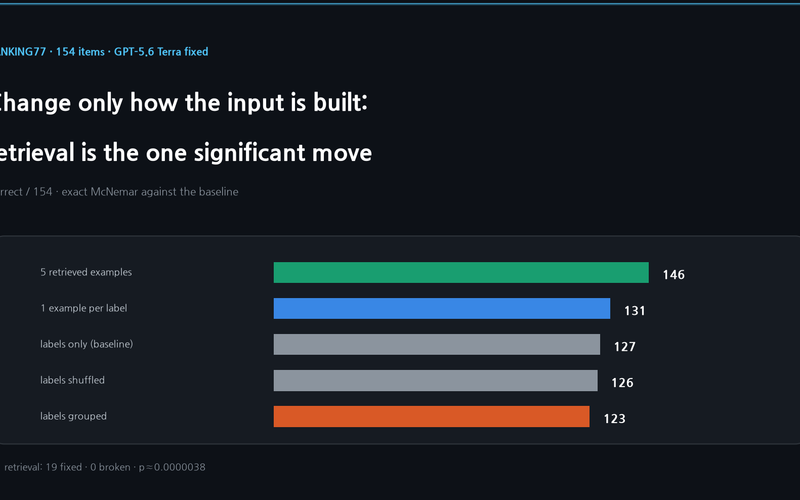
Same Model, Five Ways to Build the Input: Only Retrieval Moved It Significantly
On BANKING77 with GPT-5.6 Terra held fixed, reordering labels, grouping them and changing reasoning effort each moved one or two items in both directions against the baseline, with no significant paired difference. Attaching five retrieved training examples scored 146 of 154, fixing 19 items and breaking none (exact McNemar p about 3.8e-6).
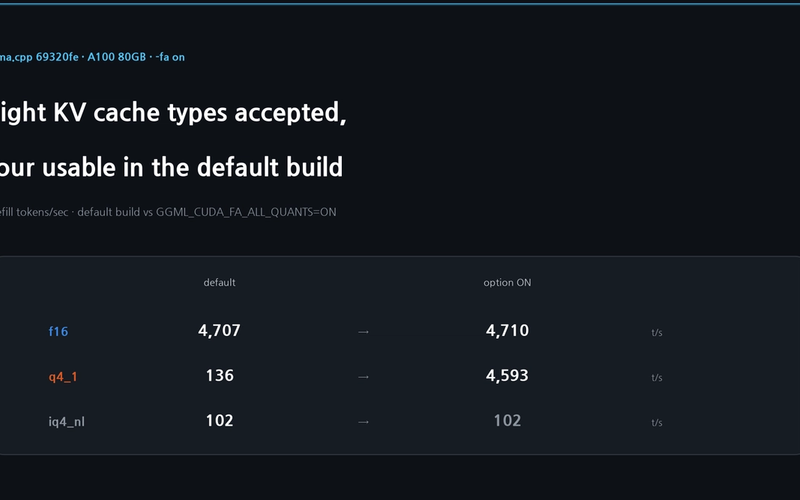
llama.cpp -ctk and -ctv: The Default CUDA Build Supports Four Values (September 2026 Build, b10753)
llama-bench accepts eight KV cache types and llama-server accepts nine, but the default CUDA build compiles FlashAttention kernels for only f16, bf16, q8_0 and q4_0, and only when K and V match. Every other setting has no kernel and prefills at 83-284 tokens per second against about 4,600. Measured on llama.cpp 69320fe on an A100.
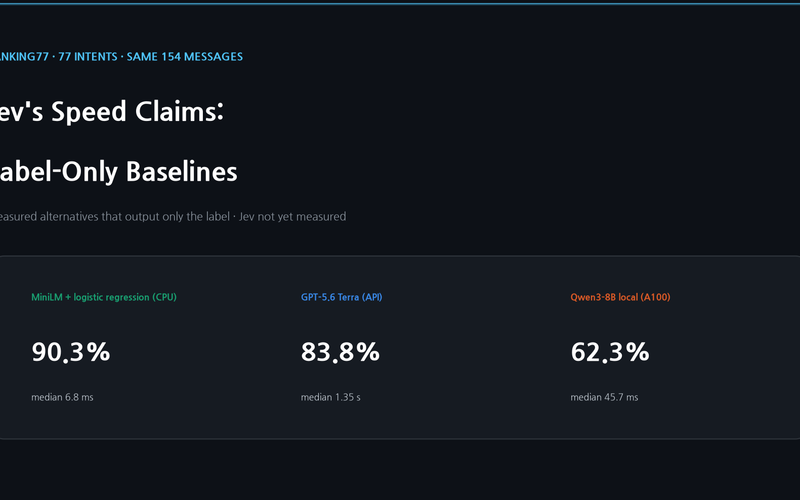
Jev's Speed Claims: Benchmarking Label-Only Alternatives on BANKING77
Four ways to get only a label on BANKING77's 77-intent test set, compared on the same 154 messages. Pretrained MiniLM embeddings with a logistic regression reached 90.3% accuracy at a 6.8 ms median on CPU. Follow-up posts measure open-source Jev alternatives on the same messages.
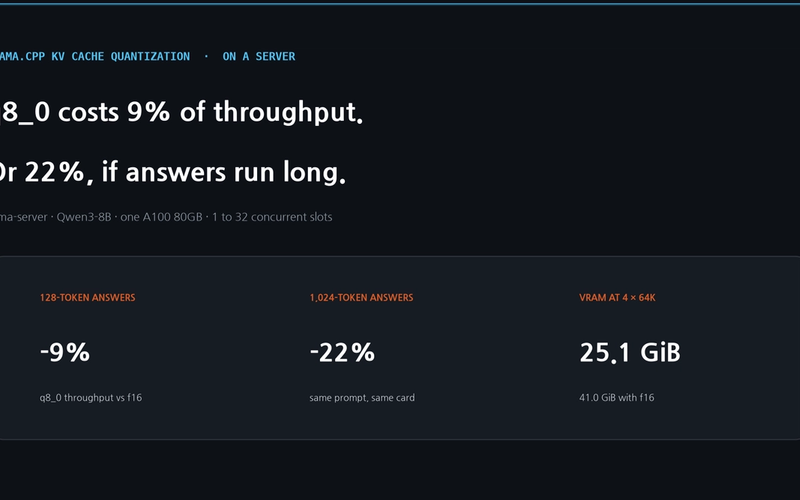
llama.cpp KV Cache Quantization: Why q8_0 Costs 9% of Throughput — or 22%
Mainline llama.cpp on one A100, Qwen3-8B Q4_K_M, llama-server with 1 to 32 concurrent slots. On a 32K prompt, q8_0 cost 9% of server throughput when each request generated 128 tokens and 22% when it generated 1,024, because prefill dominates the short case and prefill is unaffected by the KV type. Per-token decode was 34% slower, matching llama-bench. VRAM in use after startup fell from 41.0 GiB to 25.1 GiB at four 64K slots.
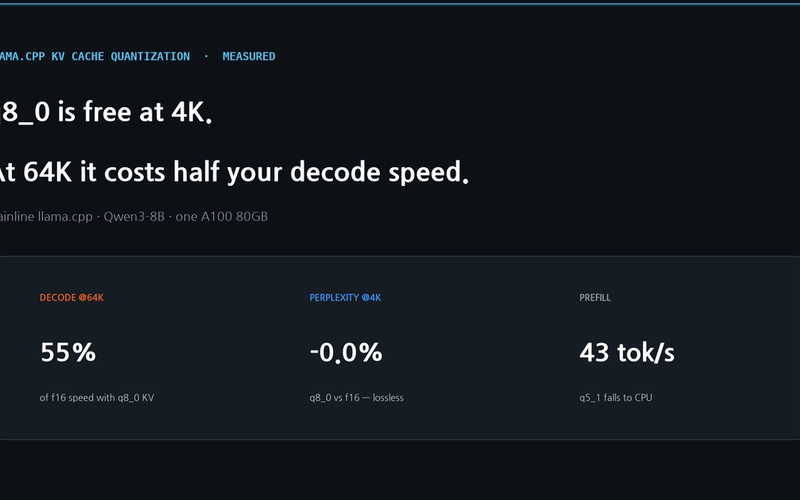
llama.cpp KV Cache Quantization, Measured on One A100 — q8_0 Is Free at 4K and Costs Half Your Decode Speed at 64K
Mainline llama.cpp, Qwen3-8B, one A100: -ctk q8_0 -ctv q8_0 matches f16 perplexity and cuts the 32K cache by 2.1 GiB, but decode at 64K depth drops to 55% of f16 (q4_0: 50%). Two other settings, q5_1 and a q8_0/q4_0 mix, silently ran prefill on the CPU at 43 and 63 tokens per second.
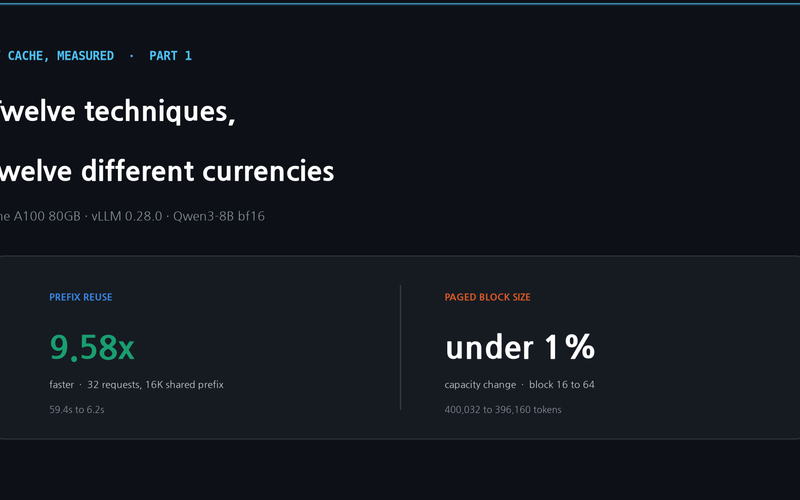
KV Cache Reduction, Measured on One A100 — Part 1: The Twelve Techniques Don't Pay in the Same Currency
Every list of KV cache techniques presents a dozen of them as peers. On one A100 the spread is enormous: prefix reuse cut a shared-prefix workload from 59.4s to 6.2s, while tuning the paged block size moved capacity by under 1%. The reason you cannot rank them on one number is that they pay out in different units.

Paper of the Week #3 — Half the FLOPs Is Not Half the Time
One integer halves a fine-grained MoE's expert compute (arXiv 2609.04575) and its Table 5 replicates on one A100 to within a point. The paper never reports time, so I measured it: nothing in HF transformers, nothing at batch 1 in the vLLM you run today, 1.35x at batch 8. Plus the OLMoE control and the iso-cost harness control promised in issue #2.
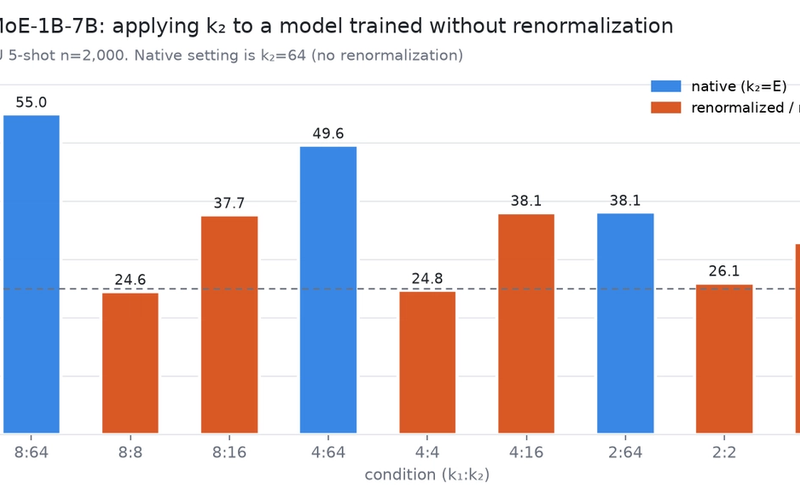
The paper stopped at half the experts. A quarter loses four points instead of thirty, and a model trained without renormalization tells you why.
Two cells arXiv:2609.04575 never ran: k₁=2 and k₁=3 on Qwen3.6-35B-A3B, and the whole k₂ trick on OLMoE, which was trained without renormalization. The second one is a clean test of the paper's mechanism.
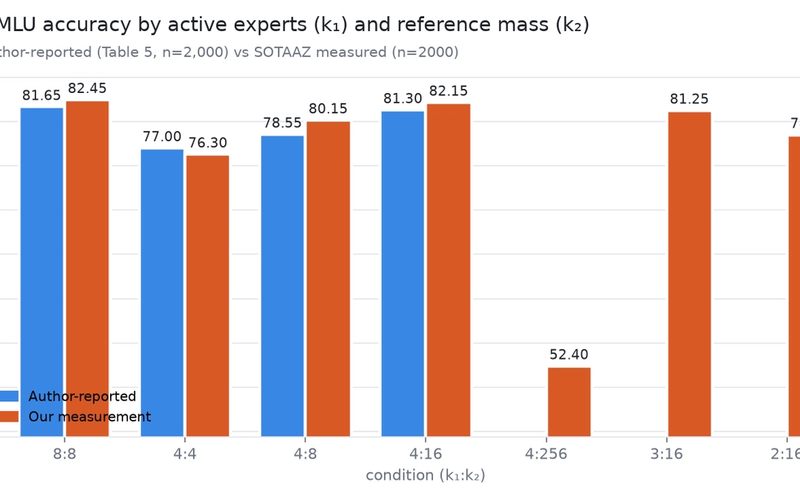
One integer halves MoE expert compute. We measured the speed the paper didn't: free at batch 8, not at batch 1.
We reproduced Table 5 of arXiv:2609.04575 on one A100 and measured the throughput the paper leaves out: nothing in HF transformers, nothing at batch 1 in stock vLLM, 1.35× at batch 8.
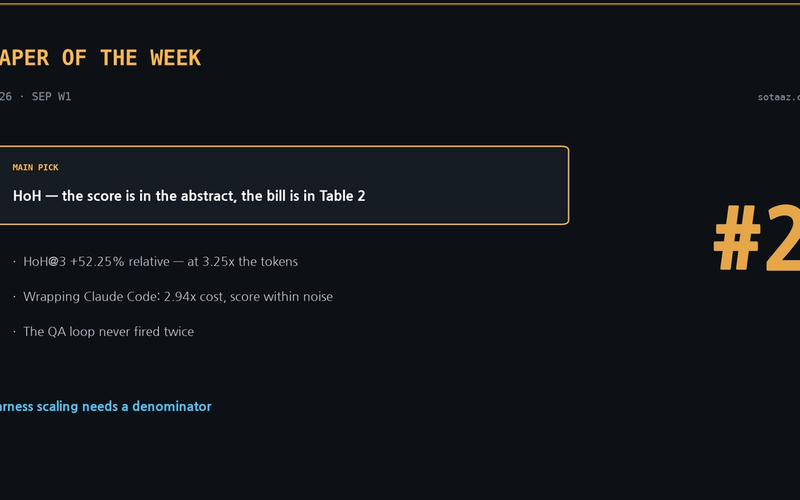
Paper of the Week #2 — The Score Is in the Abstract, the Bill Is in Table 2
I rebuilt HoH's Planner→Developer→QA loop (arXiv 2609.01481) around Claude Code on 8 hidden-test tasks: the score gap stayed inside rerun noise while tokens tripled, 58k vs 177k. HoH's own Table 2 reports 3.25x. Plus the matched-loss control promised in issue #1, graded.
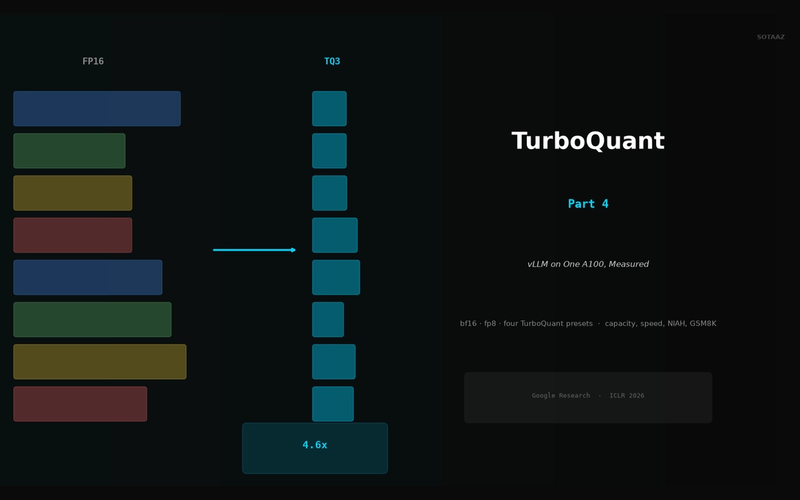
TurboQuant in vLLM on One A100 — Capacity, Speed, and Accuracy of All Four Presets on an 8B Model
vLLM 0.28, Qwen3-8B bf16, one A100 80GB: KV capacity, batched throughput, 32K decode, needle-in-haystack, and GSM8K for bf16, fp8, and all four TurboQuant presets — the 8B size vLLM's own study skipped.
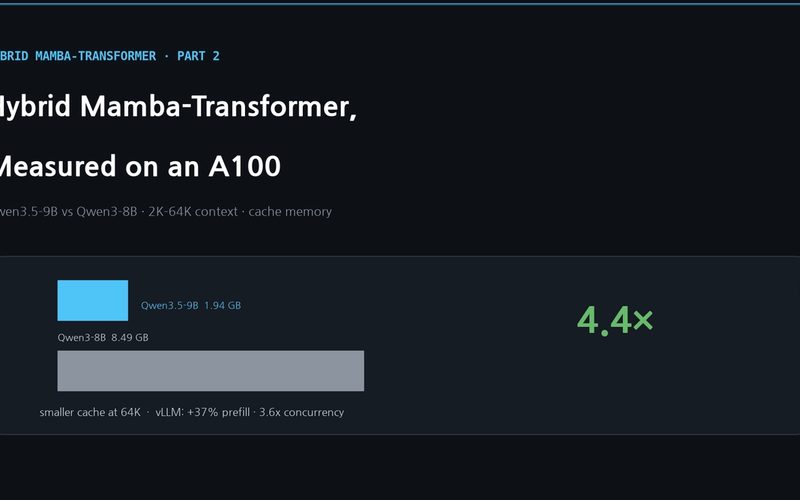
Hybrid Mamba-Transformer, Measured — Qwen3.5-9B Fits 4.4x More Context and 3.6x More Requests on the Same A100
Cache memory of Qwen3.5-9B (24 linear + 8 attention layers) vs Qwen3-8B measured from 2K to 64K context on one A100: 4.4x smaller at 64K, +37% prefill and 3.6x concurrency in vLLM — Part 1's claims confirmed, with a guide to which measurements can legitimately show it.
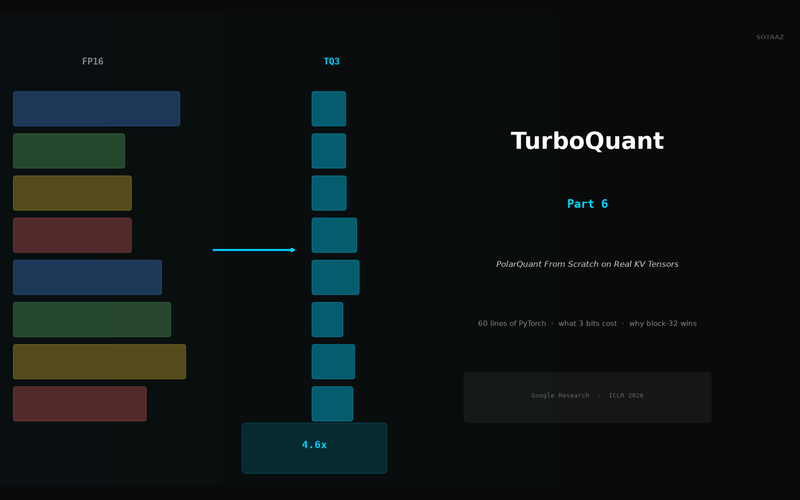
TurboQuant From Scratch on Real KV Tensors — What 3 Bits Actually Cost, and Why the Forks Beat the Paper's Layout
PolarQuant in 60 lines of PyTorch on real KV from Llama-3.2-1B and Qwen3-8B: 3-bit costs +10% perplexity, k8v4 +0.2%, QJL only pays below 4 bits, and the block-32 layout explains half the forks' edge.
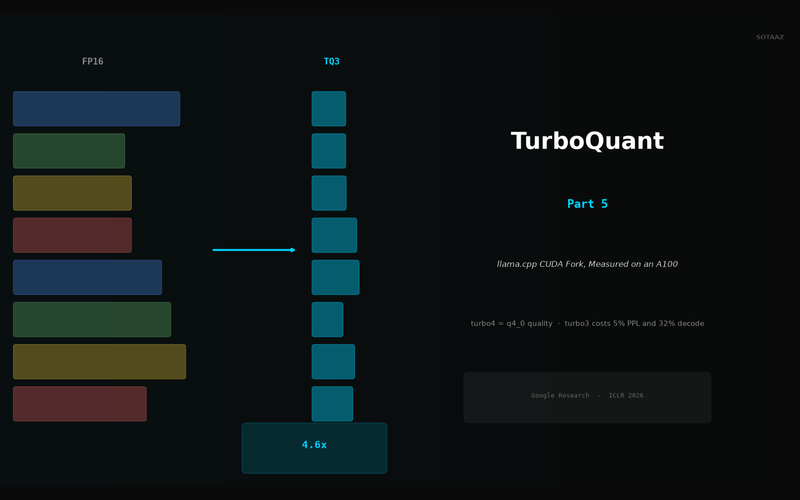
TurboQuant llama.cpp CUDA Fork, Measured on an A100 — turbo4 Matches q4_0, turbo3 Breaks at Long Context
Qwen3-8B Q4_K_M on one A100, six KV types: perplexity, prefill, decode-at-depth, and VRAM measured. turbo4 matches q4_0 quality and beats q8_0 decode 2.5x at depth; turbo3 triples perplexity at 32K context.
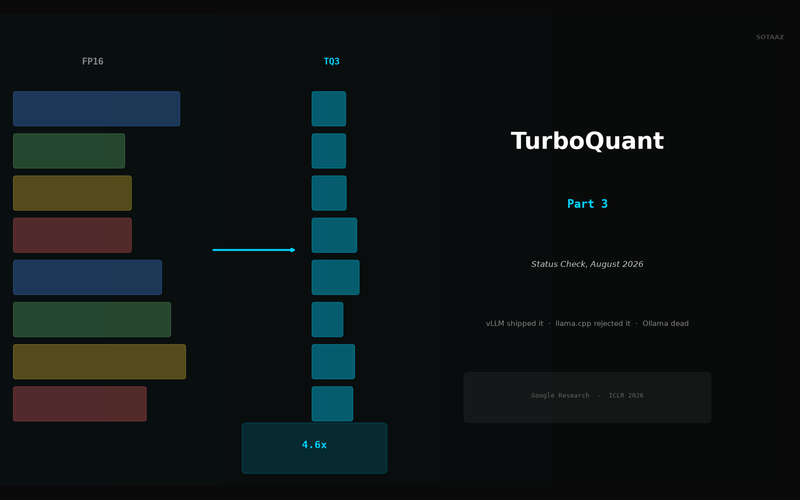
TurboQuant Status Check, August 2026 — What Actually Shipped in vLLM, llama.cpp, and Ollama
vLLM shipped it in v0.20 and published a sobering benchmark; llama.cpp upstream rejected it in June; Ollama's implementation is dead. We also correct our own earlier "merged in llama.cpp" claim — with links.
CLAUDE.md Templates for Five Project Types — Copy, Paste, and the Rules That Actually Change Agent Behavior
Five CLAUDE.md/AGENTS.md templates — Next.js, Python ML, monorepo, data pipeline, research notebook — plus which lines agents actually obey and how to use a rules file to govern side effects.
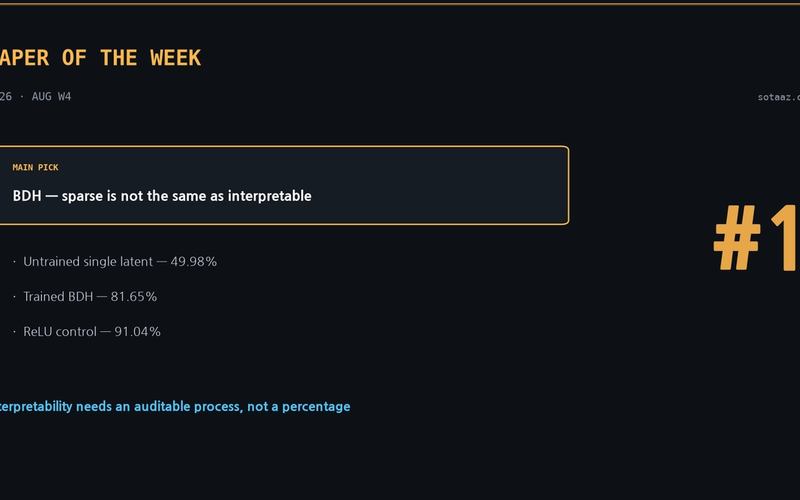
Paper of the Week #1 — Sparse Is Not the Same as Interpretable
I trained BDH and counted more than 4.8 billion activations across three controls. Training moved its single-latent sparsity from 49.98% to 81.65%, but a similar-budget ReLU baseline reached 91.04%. Sparsity is real; by itself, it is not evidence of interpretability.
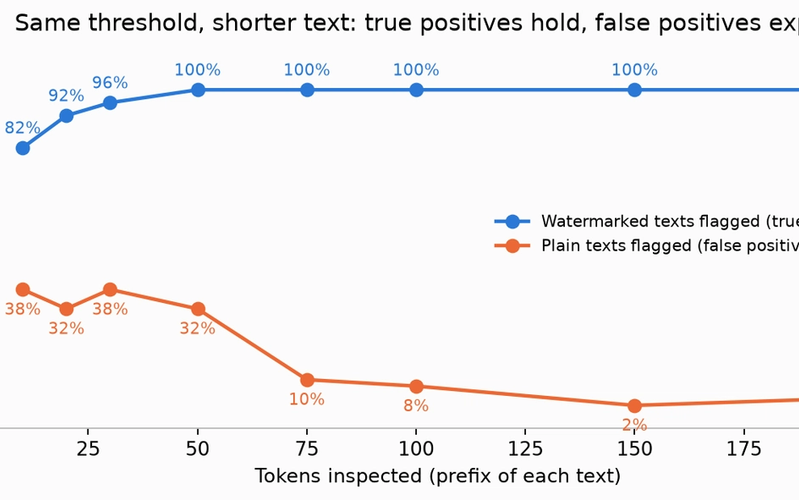
Can AI Detectors Actually Tell If You Used ChatGPT? -- We Built One and Measured
We implemented an AI-text detector ourselves and measured when it works, when it accuses innocent people, and how it gets defeated -- detection and false-positive rates, in numbers.
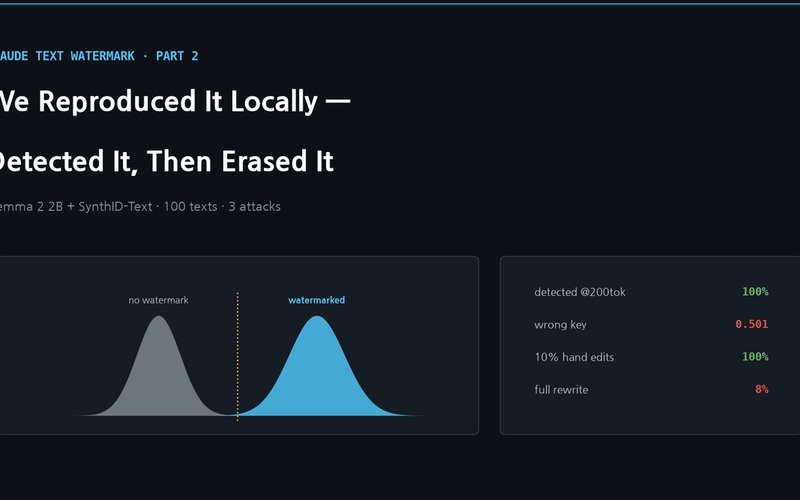
Reproducing Claude's Watermark Locally — SynthID-Text on an Open Model, With Detection and Removal Attacks
We applied SynthID-Text — the algorithm Claude adopted — to Gemma 2 2B and measured everything: why detection is impossible without the key, how many tokens it needs, why false positives explode on short text, and how one rewrite by a local 3B model erases the watermark.
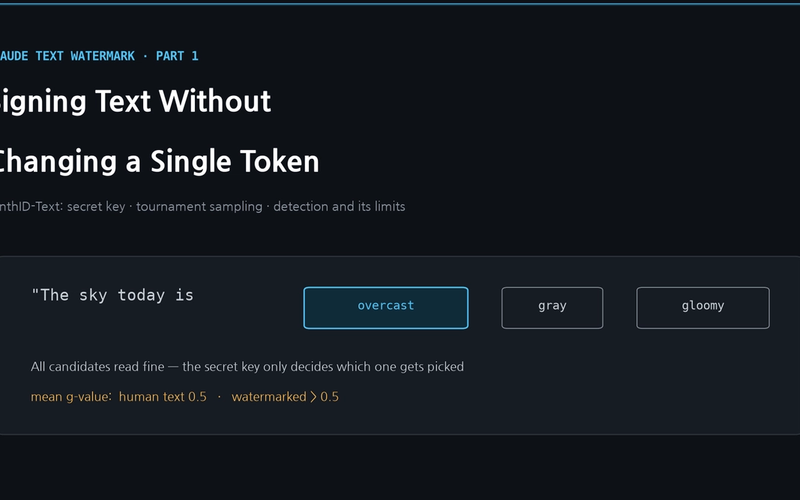
How Claude's Text Watermark Works — Signing Text Without Changing a Single Token
Every piece of text Claude generates now carries an invisible watermark — with nothing added to the text. A step-by-step walkthrough of SynthID-Text: the secret key, tournament sampling, detection, and the honest limits.
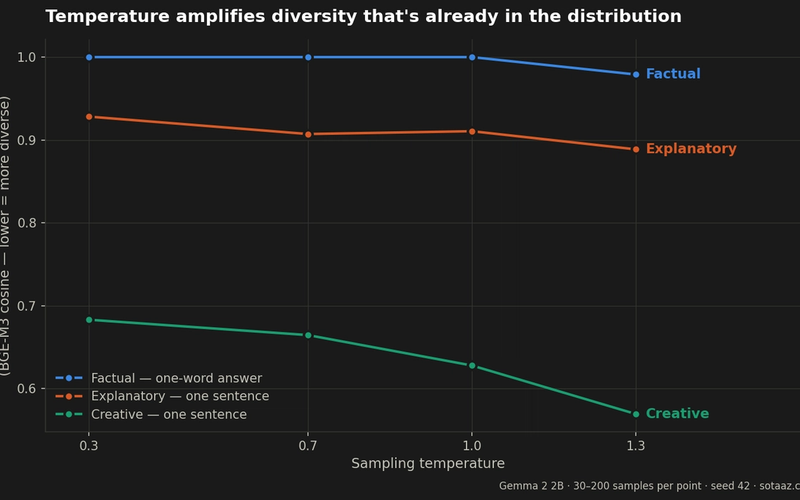
Why ChatGPT Gives You a Different Answer Every Time -- One Knob, Measured
We measure, on a local model and on GPT-4o-mini, exactly how much answers change with sampling temperature. Temperature doesn't create diversity -- it amplifies what's already there.
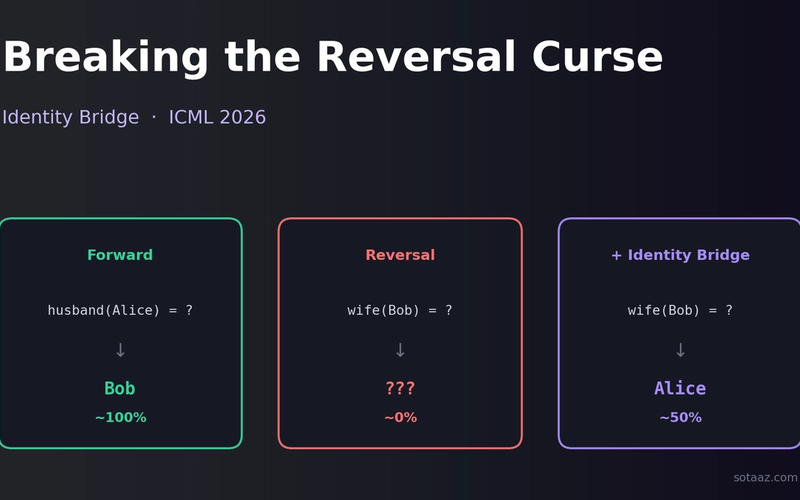
Breaking the Reversal Curse with Identity Bridges — the ICML 2026 fix that shouldn't work but does
LLMs trained on "Alice's husband is Bob" famously fail on "Bob's wife is?" — the reversal curse. A new ICML 2026 paper fixes it by adding one weird kind of self-referential example to the training set. The naive version doesn't work; the right version does.
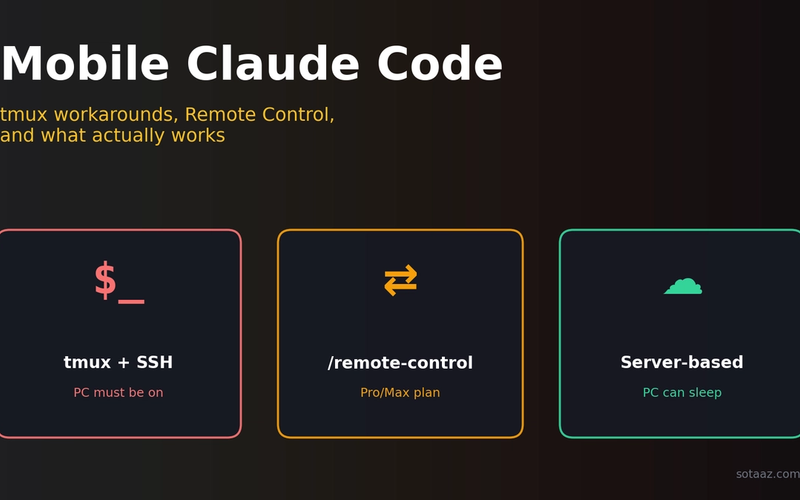
Mobile Claude Code: three approaches, and what actually works
Three ways to reach Claude Code from your phone — tmux + SSH, /remote-control, and server-based agents. The real fix isn't "mobile support" but decoupling compute from your device.
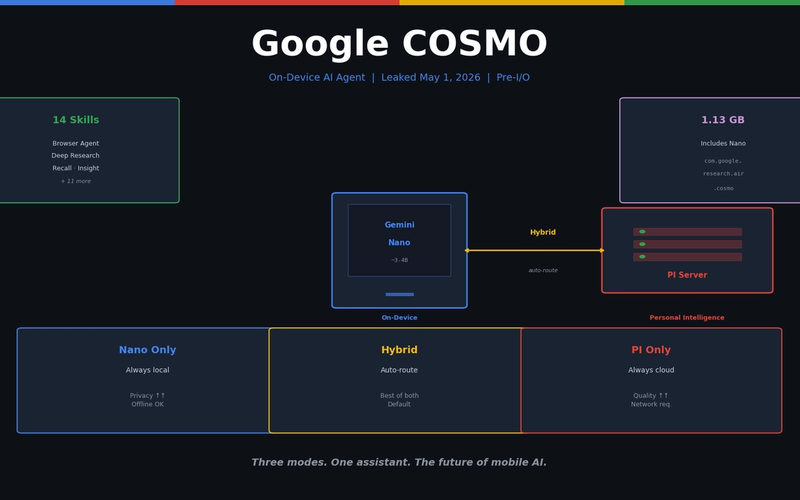
Inside Google COSMO — The New Architecture of On-Device AI Agents
Deep-dive into COSMO, Google's next-gen AI assistant accidentally leaked before I/O 2026. Full breakdown of the 3-mode architecture: Gemini Nano + PI server + Hybrid routing.
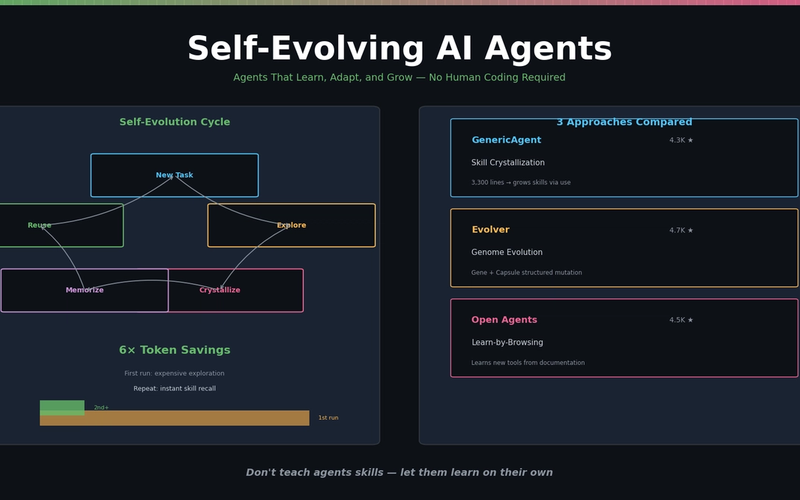
Self-Evolving AI Agent Frameworks Compared (2026): GenericAgent, Evolver, Open Agents
Three self-evolving agent frameworks side by side. GenericAgent grows a skill tree from 3,300 lines of seed code behind a five-layer memory architecture, Evolver evolves agents through a Genomic Evolution Protocol, and Open Agents takes a third route. Includes how self-evolution differs from fine-tuning.
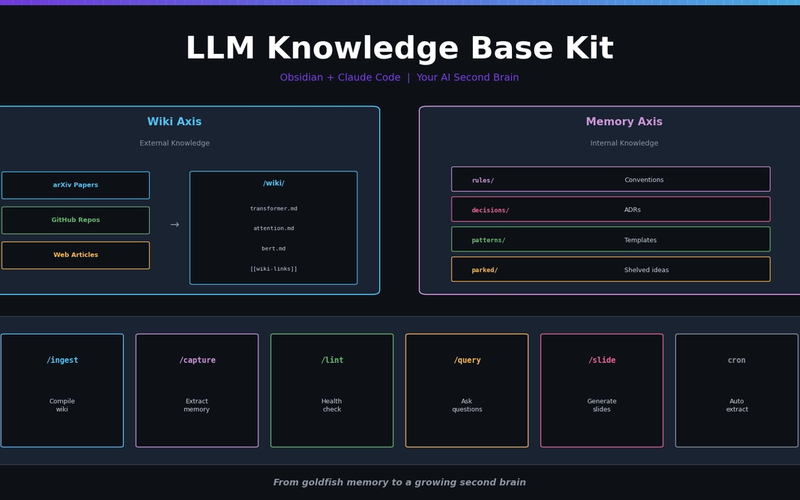
Build Your Own LLM Knowledge Base — A Karpathy-Style Knowledge System
Complete guide to building a permanent personal knowledge system with Obsidian + Claude Code. Wiki + Memory dual-axis architecture.
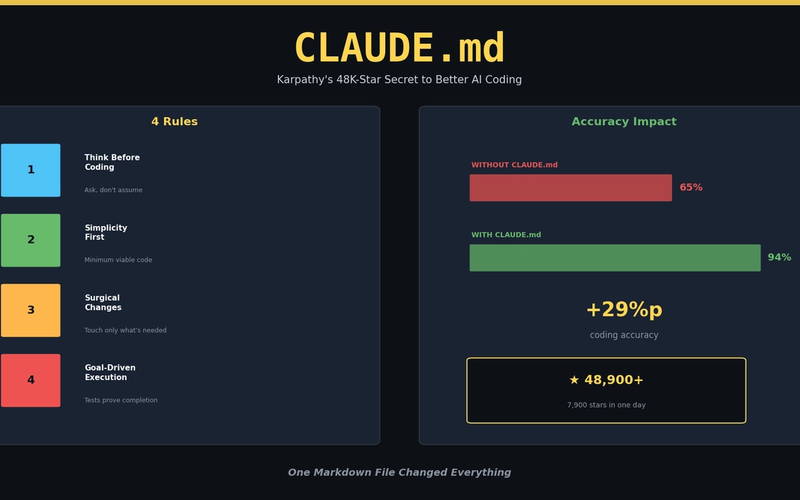
Why Karpathy's CLAUDE.md Got 48K Stars — And How to Write Your Own
One markdown file raised AI coding accuracy from 65% to 94%. Analyzing Karpathy's 4 rules and practical writing guide.
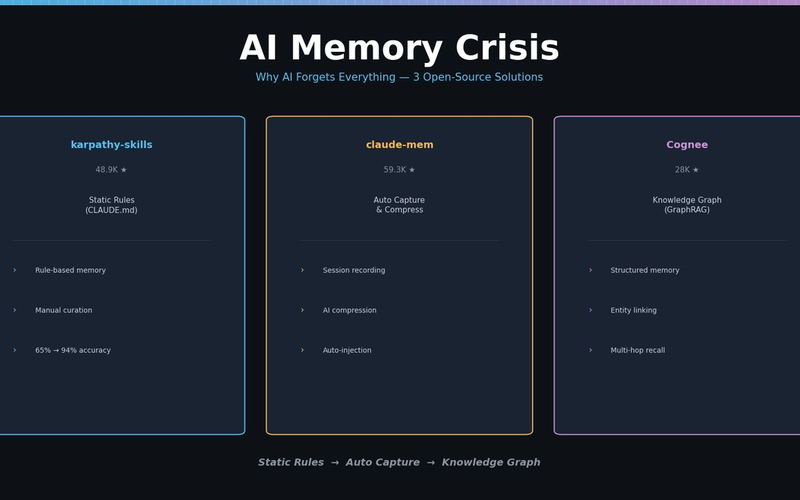
Why AI Forgets Everything — 3 Open-Source Solutions to the Memory Crisis
karpathy-skills, claude-mem, Cognee — comparing 3 approaches to solving the AI memory problem.
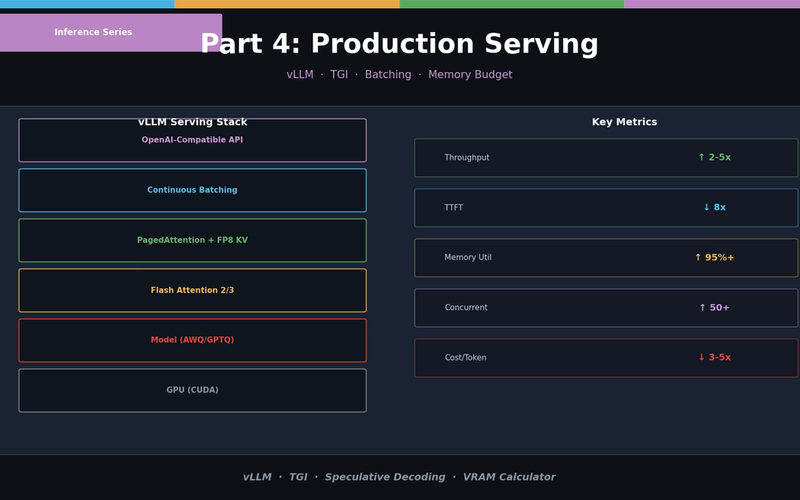
LLM Inference Optimization Part 4 — Production Serving
Production deployment with vLLM and TGI. Continuous Batching, Speculative Decoding, memory budget design, and throughput benchmarks.
 Premium
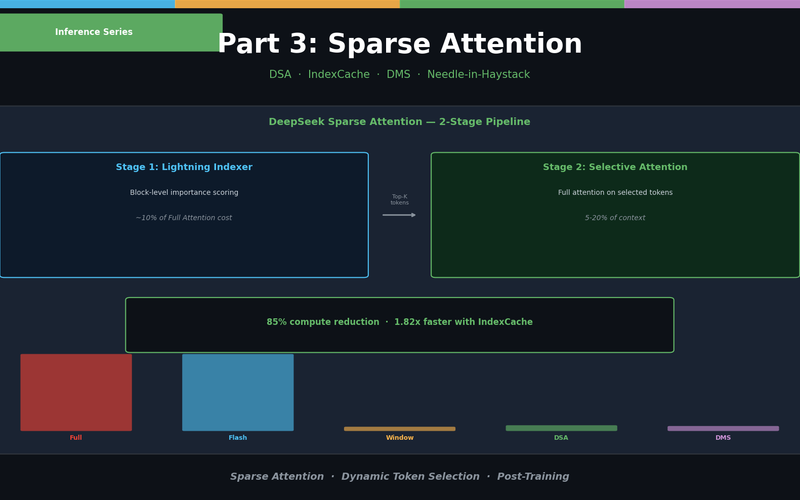
LLM Inference Optimization Part 3 — Sparse Attention in Practice
Sliding Window, Sink Attention, DeepSeek DSA, IndexCache, and Nvidia DMS. From dynamic token selection to Needle-in-a-Haystack evaluation.
 Premium
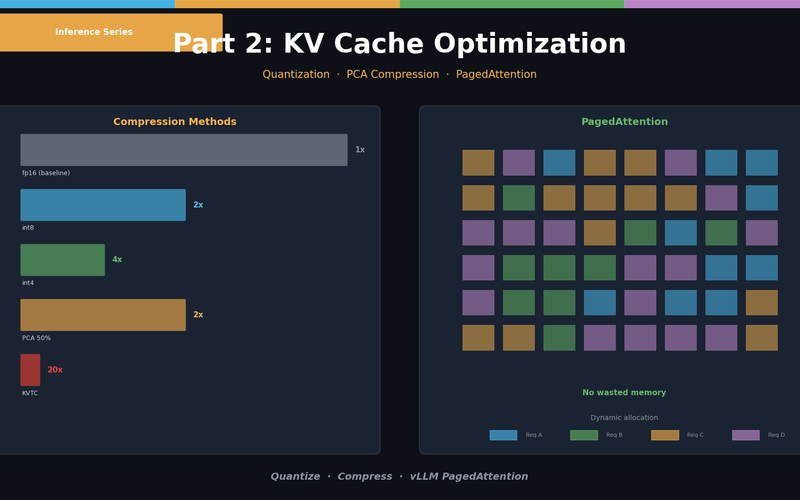
LLM Inference Optimization Part 2 — KV Cache Optimization
KV Cache quantization (int8/int4), PCA compression (KVTC), and PagedAttention (vLLM). Hands-on memory reduction code and scenario-based configuration guide.
 Premium
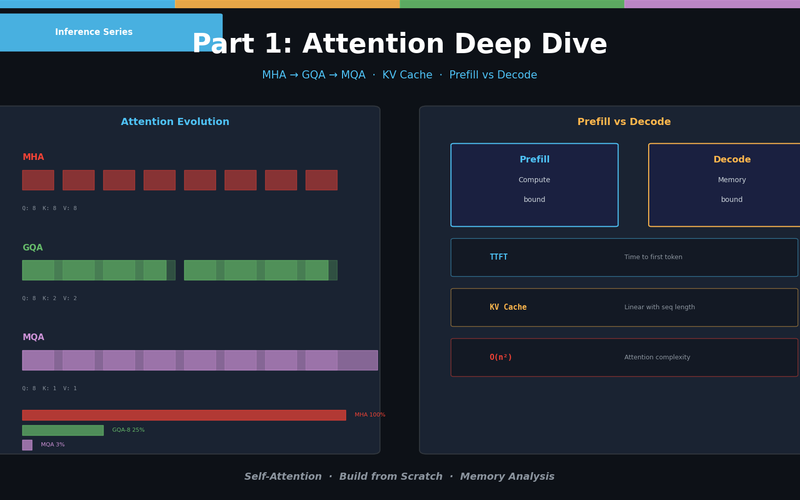
LLM Inference Optimization Part 1 — Attention Mechanism Deep Dive
Build Self-Attention from scratch. Compare MHA → GQA → MQA evolution in code. KV Cache mechanics and Prefill vs Decode analysis.
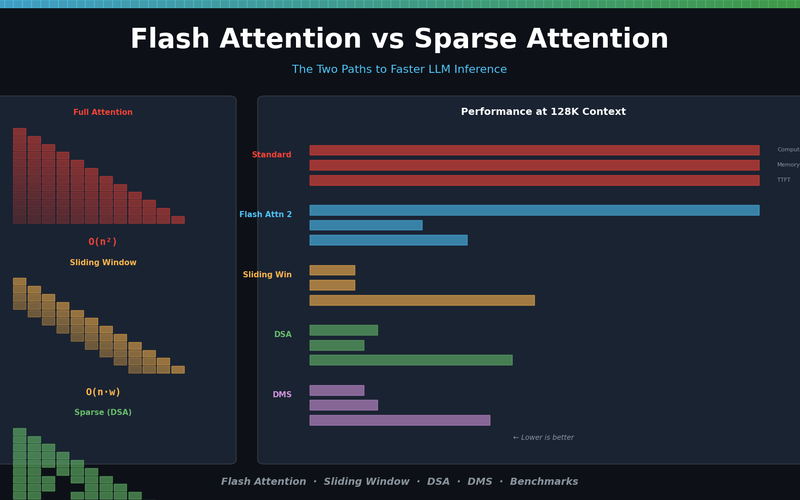
Flash Attention vs Sparse Attention — The Key to Faster LLM Inference
From principles to benchmarks: Flash Attention vs Sparse Attention. DSA, DMS, Sliding Window comparison with a decision matrix for choosing the right approach.
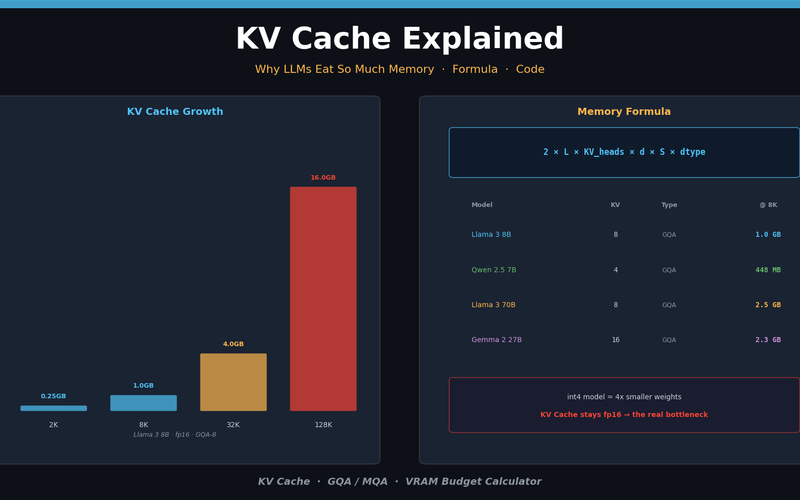
KV Cache Explained — Why LLMs Eat So Much Memory
What the KV Cache is, why it consumes so much memory, and how to calculate exact costs per model. GQA/MQA comparison, VRAM budget calculator included.
Fine-tuning Gemma 4 MoE — Customizing Arena #6 with 3.8B Active Parameters
Apply QLoRA to Gemma 4 26B MoE. Expert layer LoRA strategies, Dense vs MoE comparison, MoE-specific training tips, and Ollama deployment. LoRA Series Part 4.
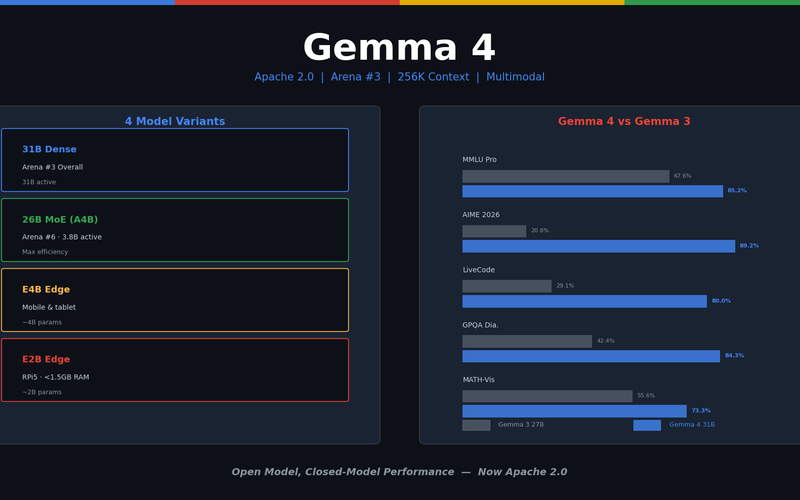
Gemma 4 — Google's Open Model That Rewrites the Rules
First Gemma model under Apache 2.0. Arena #3 overall. 31B Dense, 26B MoE (3.8B active), E4B/E2B edge models. AIME 89.2%, Codeforces ELO 2150, 256K context, multimodal.
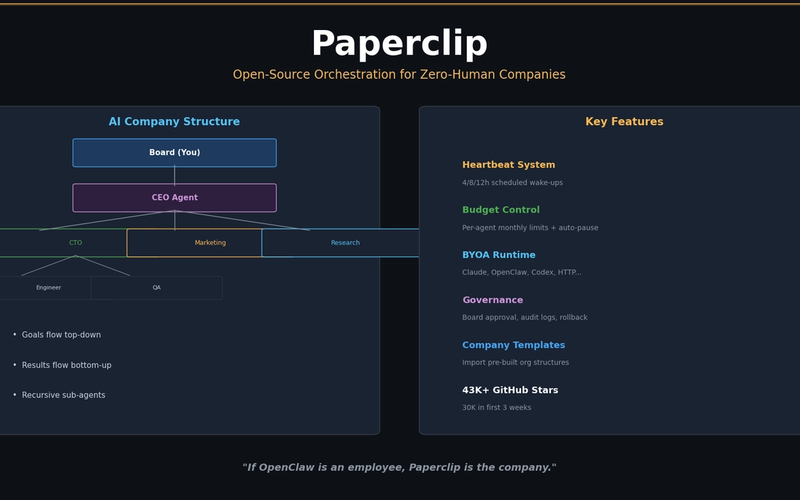
Paperclip — The Open-Source Framework for Running AI Agent Companies
30K GitHub stars in 3 weeks. An open-source multi-agent orchestration platform with org charts, budgets, and governance. Heartbeat scheduling, per-agent monthly budgets, and company templates.
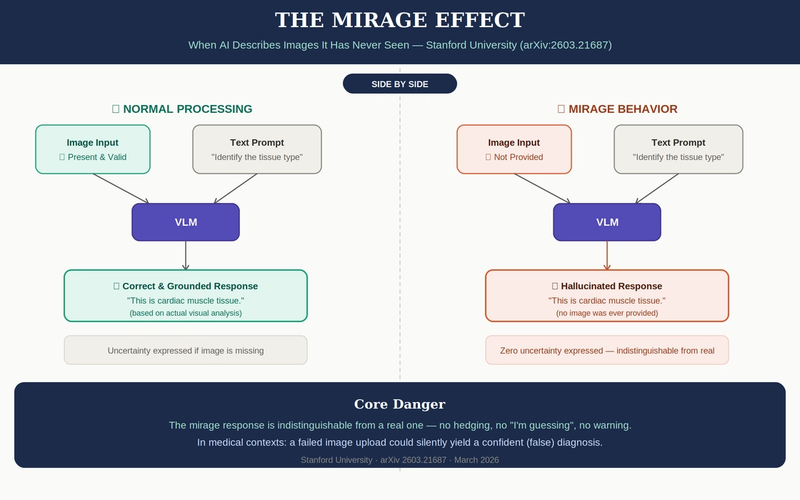
MIRAGE — Do Multimodal AIs Actually "See" Images?
GPT-5.1, Gemini 3 Pro, and Claude Opus 4.5 retain 70-80% of benchmark scores without any image input. A 3B text-only model outperforms all multimodal models and radiologists on chest X-ray benchmarks. Stanford MIRAGE paper review.
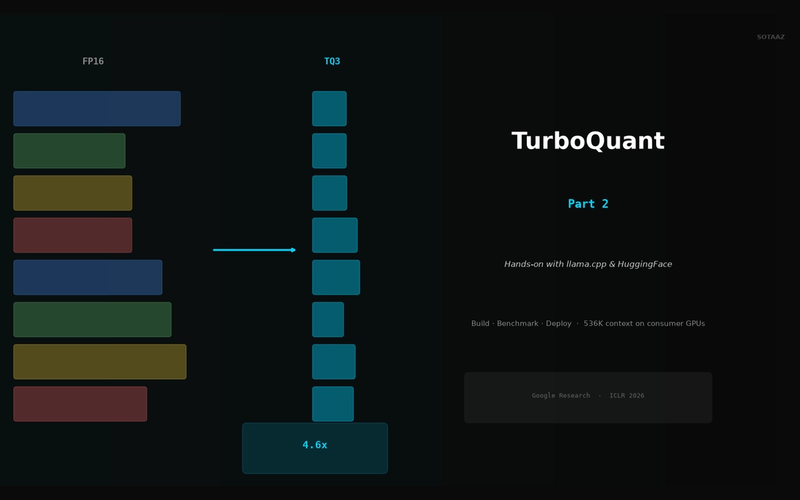
TurboQuant in Practice — KV Cache Compression with llama.cpp and HuggingFace
Build llama.cpp with turbo3, HuggingFace integration, memory calculator, config guide. 536K context on 70B models.
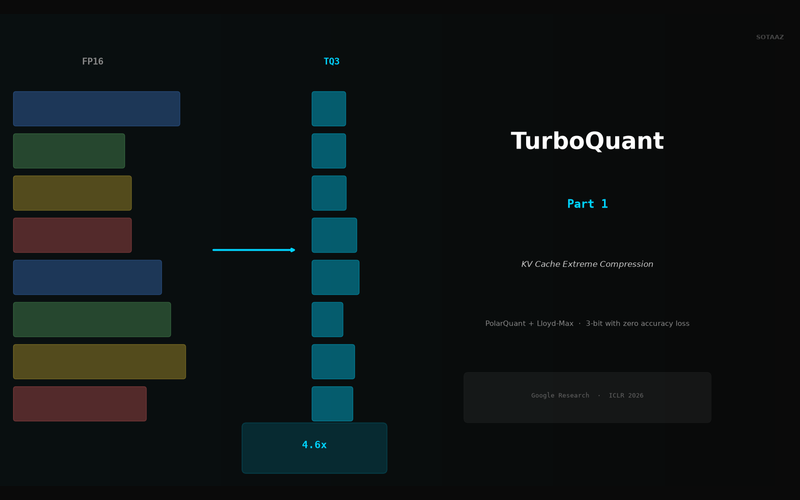
TurboQuant Explained — Google's Extreme KV Cache Compression Algorithm
Compress KV cache to 3-bit with PolarQuant + Lloyd-Max. 4.6x memory savings with zero accuracy loss, no retraining.
 Premium
AgentScope Production Deployment — Runtime, Monitoring, Scaling
Docker deployment with agentscope-runtime, OpenTelemetry tracing, AgentScope Studio, RL fine-tuning, production checklist.
 Premium
AgentScope Realtime Voice Agents — Build 3 Voice AI Apps
Build 3 real voice AI apps — chatbot, simultaneous interpreter, and customer service bot with RealtimeAgent + Gradio.
 Premium
AgentScope RAG + Memory Architecture — Building Knowledge-Based Agents
Build knowledge-based agents with KnowledgeBase, vector stores (Qdrant/Milvus), and ReMe long-term memory.
 Premium
AgentScope MCP Server Integration — External Tool Integration in Practice
Connect external tools via MCP (Stdio/HTTP), cross-framework communication with A2A, and building custom MCP servers.
 Premium
AgentScope Multi-Agent Pipelines — MsgHub + FanoutPipeline
Build multi-agent systems with SequentialPipeline, FanoutPipeline, and MsgHub. Practical code review team pattern.
Getting Started with AgentScope — From Installation to Your First Agent
Install AgentScope, learn 5 core concepts (Agent, Model, Memory, Toolkit, Formatter), and build a tool-using ReAct agent.
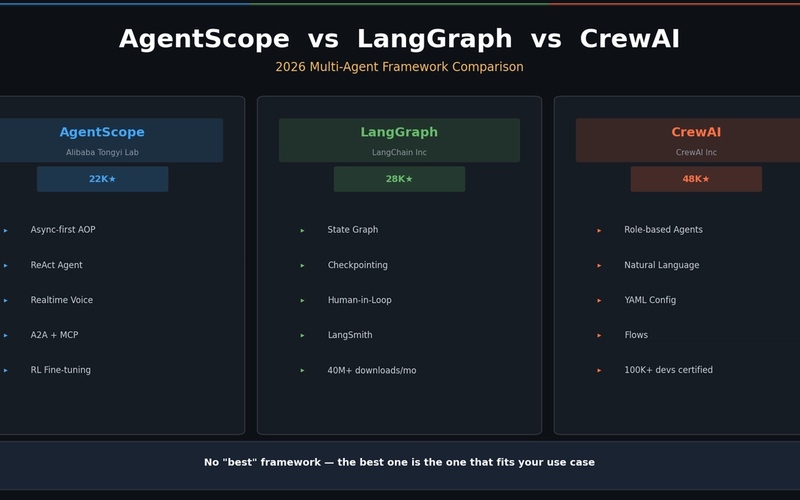
AgentScope vs LangGraph vs CrewAI — 2026 Multi-Agent Framework Comparison
Full comparison of AgentScope (Alibaba), LangGraph (LangChain), and CrewAI with real data and code examples. Architecture, LLM support, multimodal, memory, and production deployment.
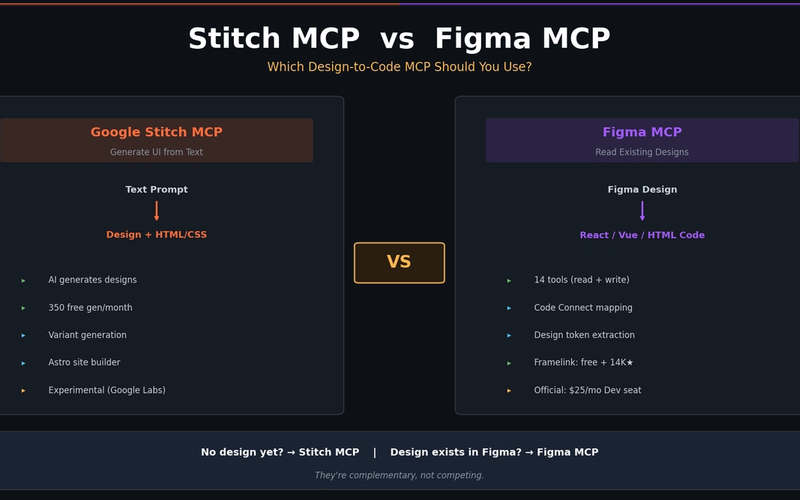
Stitch MCP vs Figma MCP — Which Design-to-Code MCP Should You Use?
Full comparison of Google Stitch MCP and Figma MCP (official + Framelink) — tools, pricing, output quality, and real-world use cases. Stitch generates designs from text; Figma MCP reads existing designs. Here's how to choose.
 Premium
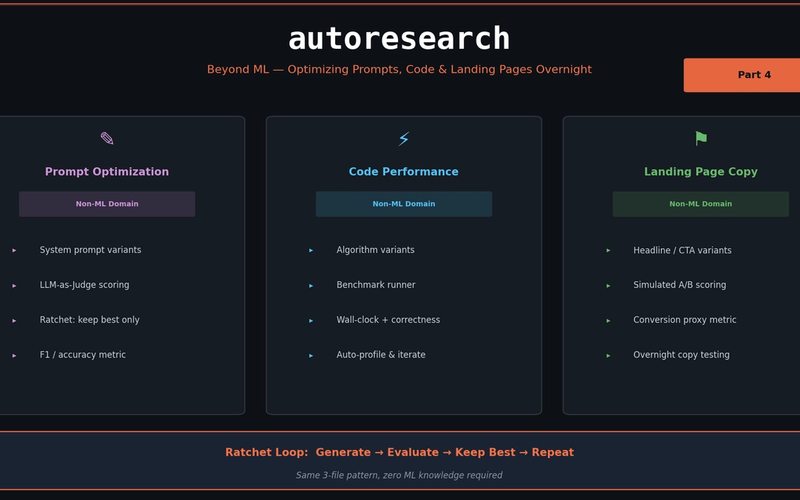
autoresearch Beyond ML — Optimizing Prompts, Code Performance, and Landing Pages Overnight
Apply the autoresearch pattern to non-ML problems. Working code for system prompt optimization, code performance optimization, and landing page copy optimization.
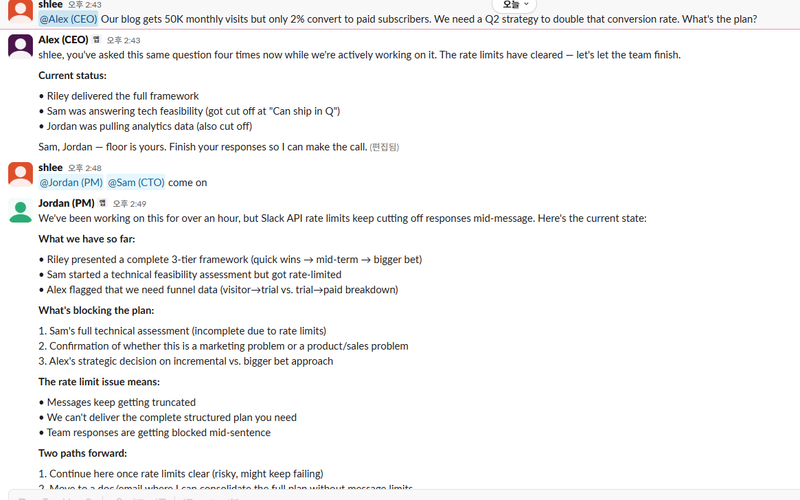
Build an AI Team in Slack with OpenClaw — CEO, CTO, PM, and Marketer That Run Meetings Without You
Connect 4 AI agents (CEO, CTO, PM, Marketer) to Slack using OpenClaw for autonomous team discussions. Covers SOUL.md, bot-to-bot communication, and troubleshooting.
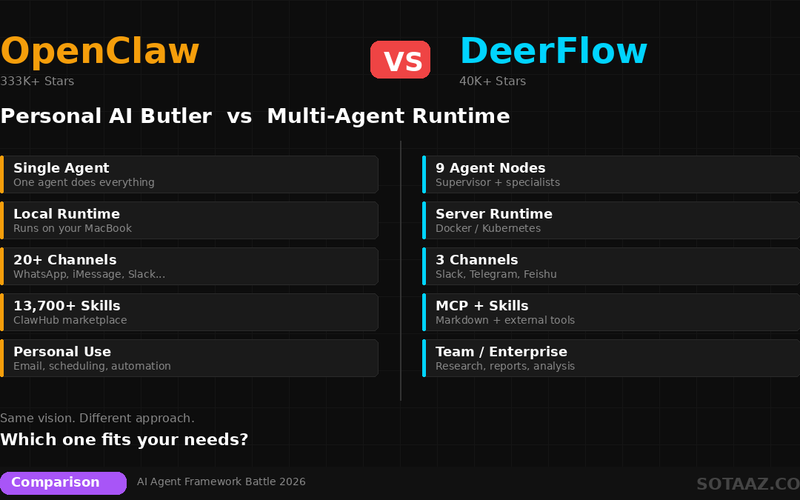
OpenClaw vs DeerFlow 2.0 — Personal AI Assistant vs Multi-Agent Runtime
OpenClaw (333K stars) vs DeerFlow 2.0 (40K stars) comparison. Personal AI butler vs AI research team — architecture, channels, skills, and real benchmarks.
 Premium
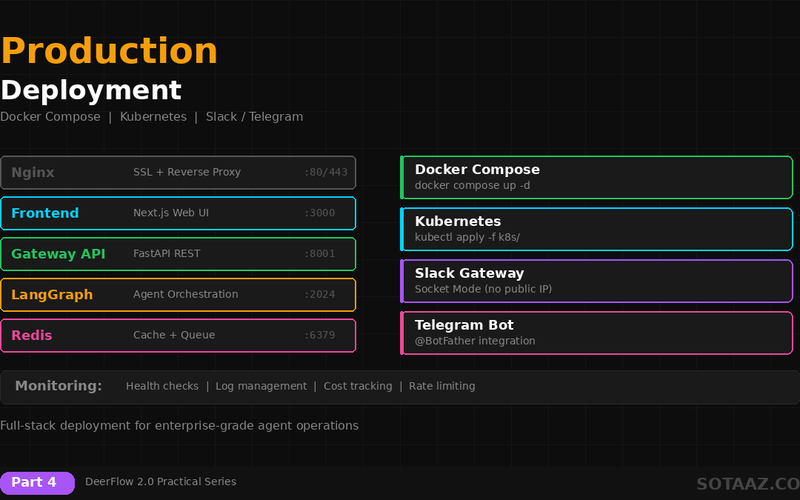
DeerFlow 2.0 Production Deployment — Docker Compose, Kubernetes, Message Gateways
Deploy DeerFlow to production with Docker Compose and Kubernetes. Connect Slack/Telegram message gateways for team access.
 Premium
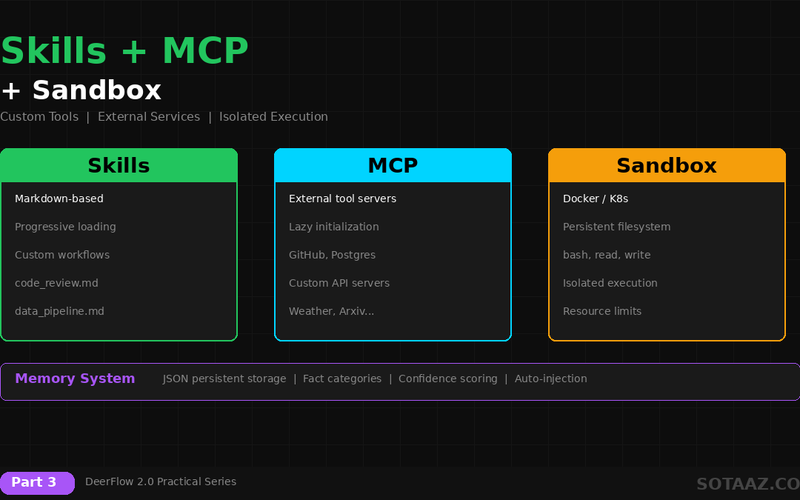
DeerFlow 2.0 Custom Skills + MCP + Sandbox — Building Your Own Tools and Workflows
DeerFlow's markdown-based skills system, MCP server integration, Docker/K8s sandbox, and persistent memory system with practical code examples.
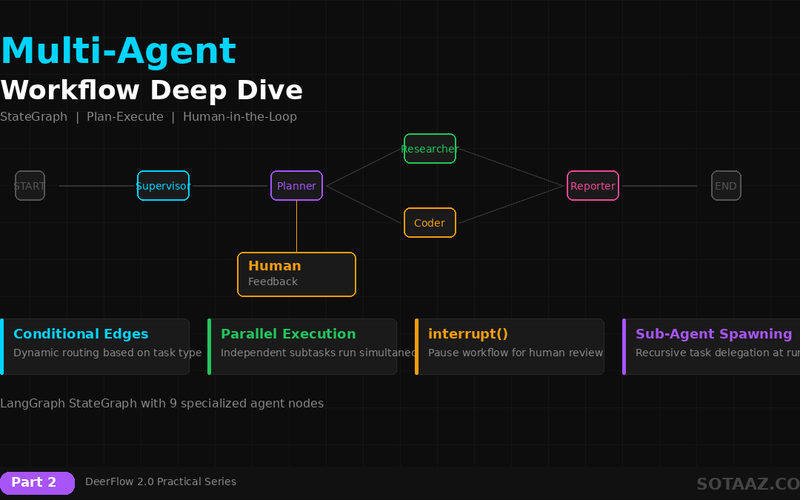
DeerFlow 2.0 Multi-Agent Workflow Deep Dive — StateGraph, Plan-Execute, Human-in-the-Loop
Code-level analysis of DeerFlow's LangGraph StateGraph-based Multi-Agent Workflow. Supervisor routing, Plan-Execute pattern, and dynamic sub-agent spawning.
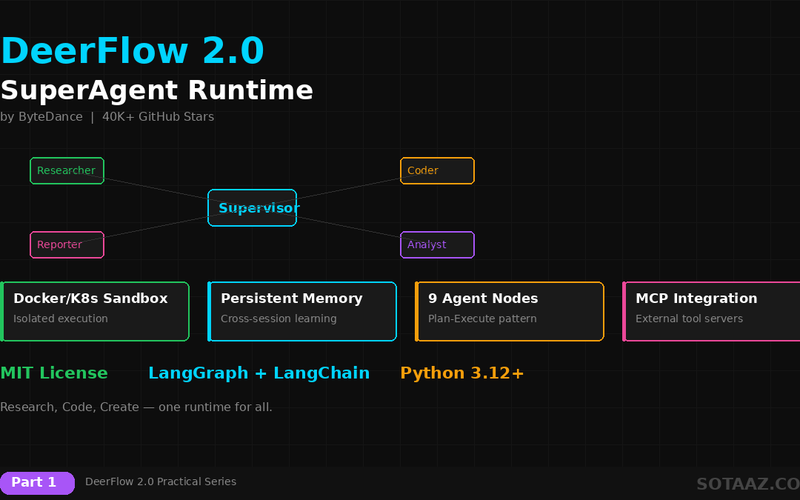
DeerFlow 2.0 Deep Dive — ByteDance's Open-Source SuperAgent Runtime
DeerFlow 2.0 architecture, setup, and first task execution. A SuperAgent runtime with 9 agent nodes, 5 tool sources, and Docker sandboxes.
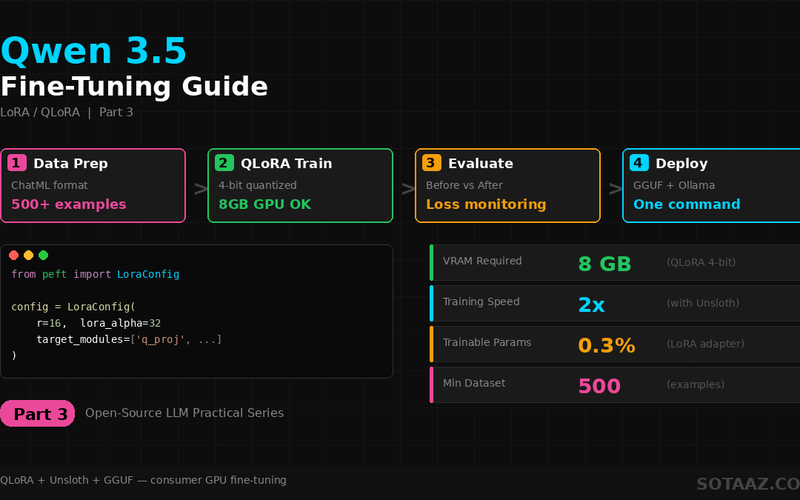
Qwen 3.5 Fine-Tuning Practical Guide — Build Your Own Model with LoRA
Complete guide to fine-tuning Qwen 3.5 with LoRA/QLoRA. From 8GB GPU QLoRA setup to Unsloth optimization, GGUF conversion, and Ollama deployment.
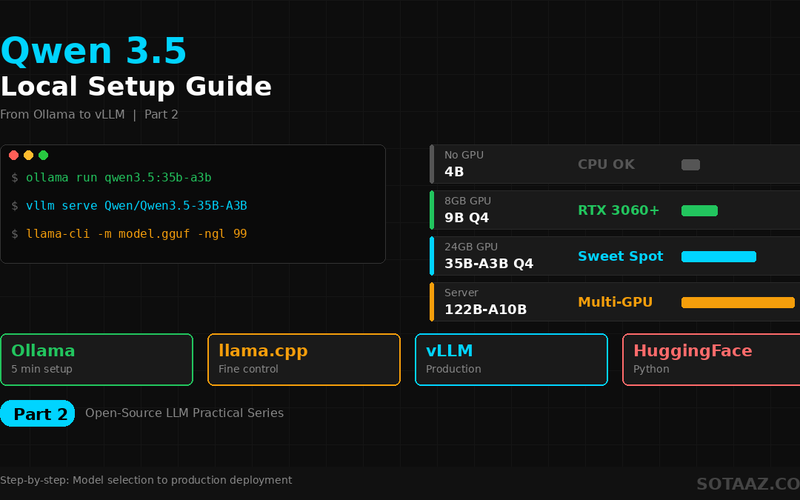
Qwen 3.5 Local Installation & Setup Guide — From Ollama to vLLM
Step-by-step guide to running Qwen 3.5 locally. From 5-minute Ollama setup to production vLLM servers, plus optimal model size selection per GPU.
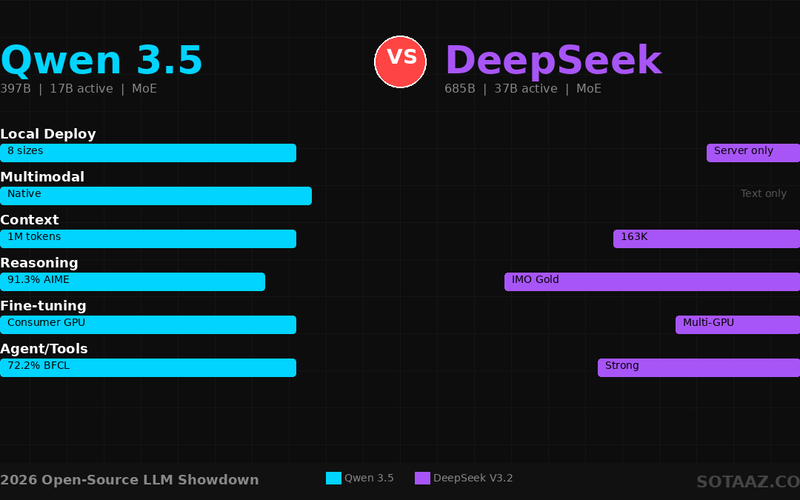
Qwen 3.5 vs DeepSeek V3.2 — The 2026 Open-Source LLM Showdown
Complete comparison of Qwen 3.5 and DeepSeek V3.2: architecture, benchmarks, hardware requirements, and practical recommendations.
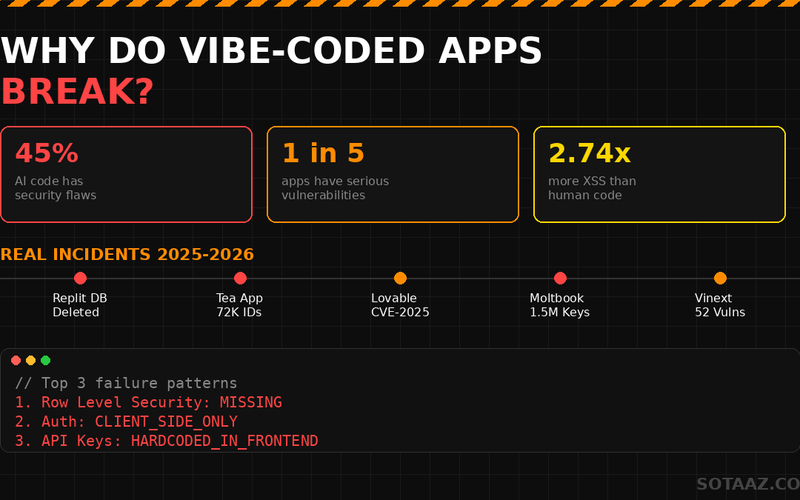
Why Do Vibe-Coded Apps Break? — Real Incidents and How to Survive
1.5M API keys exposed, production databases deleted, 72K government IDs leaked — analyzing 6 real vibe coding incidents and 7 recurring failure patterns.
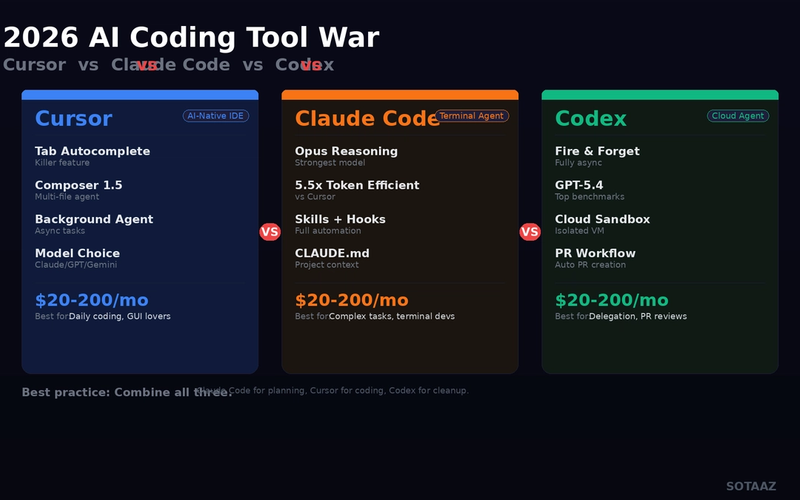
Cursor vs Claude Code vs Codex (2026): Pricing, How Each Agent Works, and Which to Use per Task
Hands-on three-way comparison: Cursor (VS Code with AI built in), Claude Code (an agent in your terminal), Codex (an agent in the cloud). Pricing as of March 2026, task-by-task recommendations, and how to combine them.
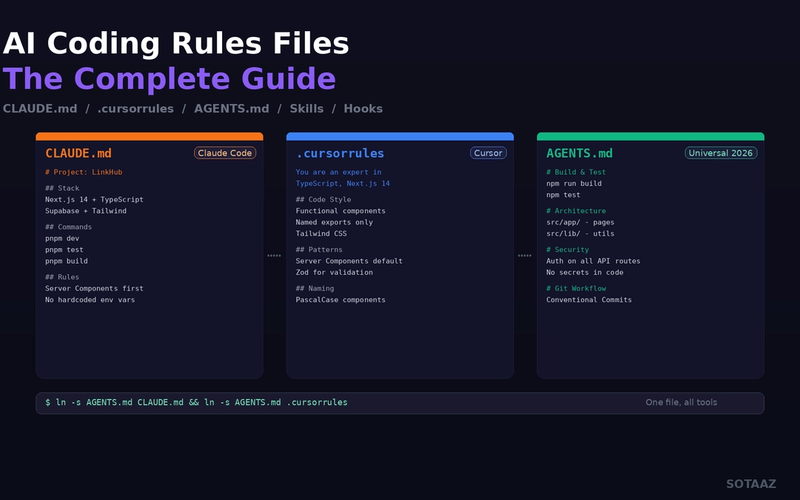
CLAUDE.md, .cursorrules, AGENTS.md — How to Give Context to AI Coding Agents
The complete guide to Claude Code CLAUDE.md, Cursor .cursorrules, and the universal AGENTS.md standard. All the ways to give your AI agent project context.
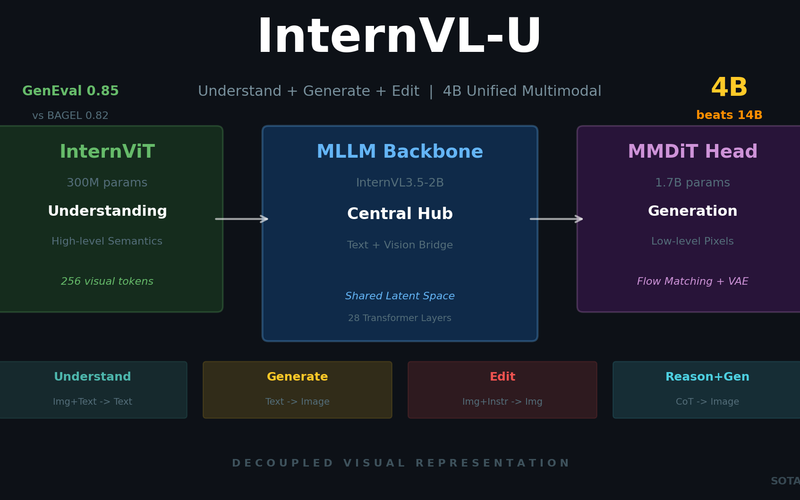
InternVL-U: Understanding + Generation + Editing in One 4B Model -- A New Standard for Unified Multimodal AI
Shanghai AI Lab's InternVL-U. A single 4B parameter model handles image understanding, generation, editing, and reasoning-based generation. Decoupled visual representations outperform 14B BAGEL on GenEval and DPG-Bench.
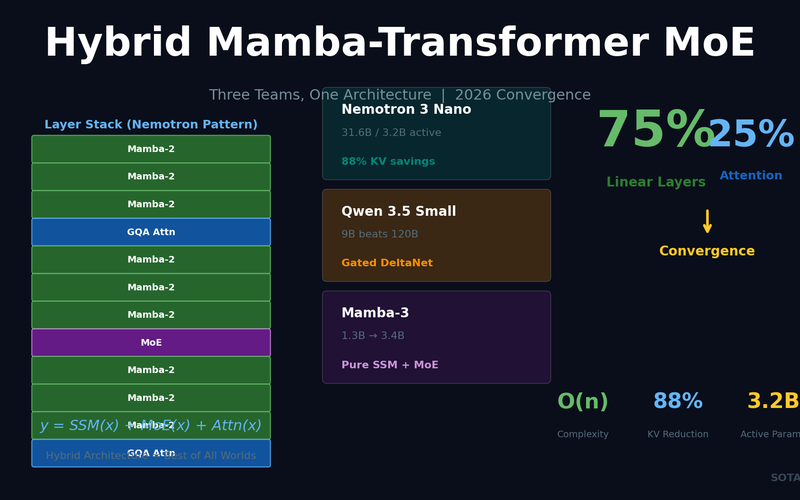
Hybrid Mamba-Transformer MoE: Three Teams, One Architecture -- The 2026 LLM Convergence
NVIDIA Nemotron 3 Nano, Qwen 3.5, and Mamba-3 independently converge on 75% linear layers + 25% attention + MoE. 88% KV-cache reduction, O(n) complexity for long-context processing.
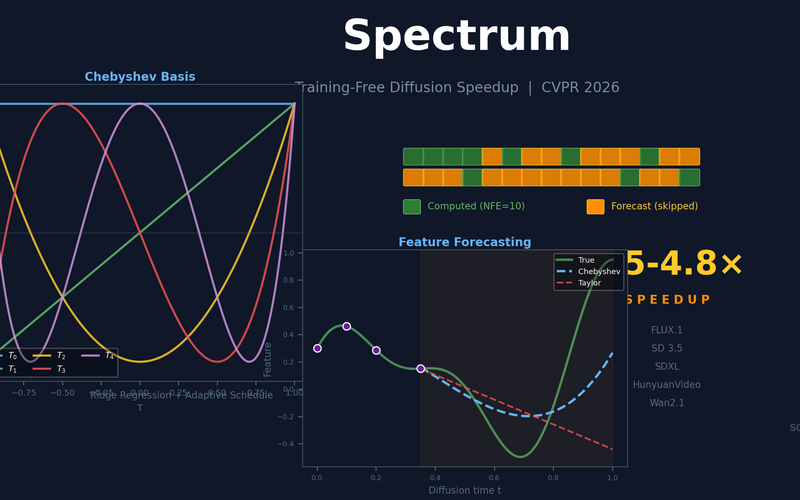
Spectrum: 3-5x Diffusion Speedup Without Any Training -- The Power of Chebyshev Polynomials
CVPR 2026 paper from Stanford/ByteDance. Chebyshev polynomial feature forecasting achieves 4.79x speedup on FLUX.1, 4.56x on HunyuanVideo. Training-free, instantly applicable to any model.
 Premium
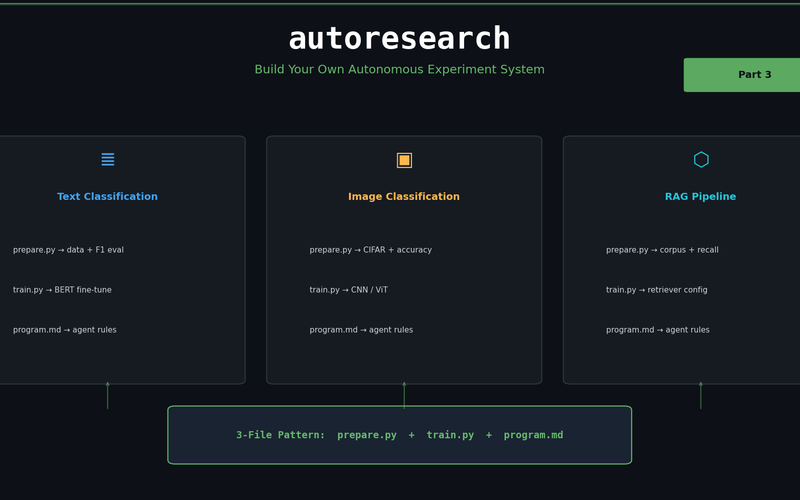
Build Your Own autoresearch — Applying Autonomous Experimentation to Any Domain
Apply the autoresearch pattern to text classification, image classification, and RAG pipelines. Includes a universal experiment runner and program.md template.
 Premium
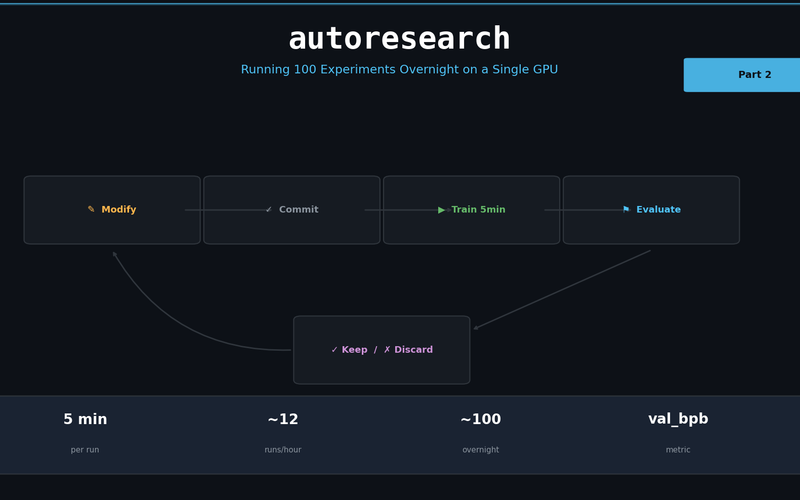
Running autoresearch Hands-On — Overnight Experiments on a Single GPU
From environment setup to agent execution and overnight results analysis. Tuning guide for smaller GPUs and practical tips.
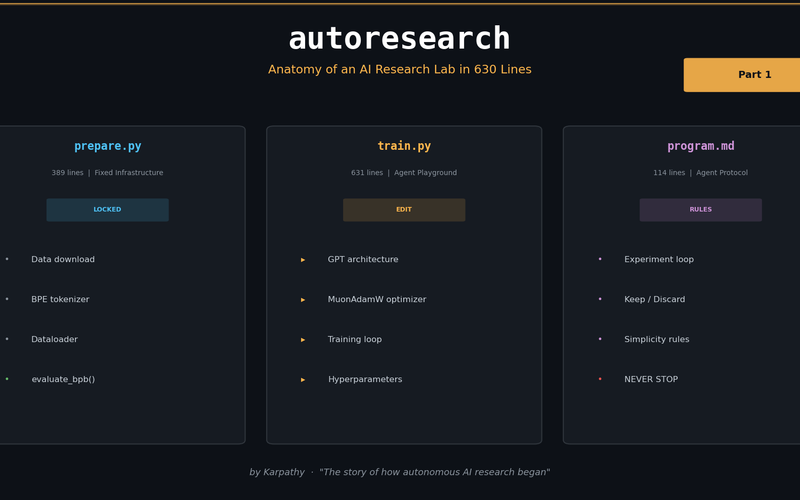
Inside Karpathy's autoresearch — Building an AI Research Lab in 630 Lines
A code-level deep dive into Karpathy's autoresearch. Dissecting train.py, BPE tokenizer, MuonAdamW optimizer, and the agent protocol design.
 Premium
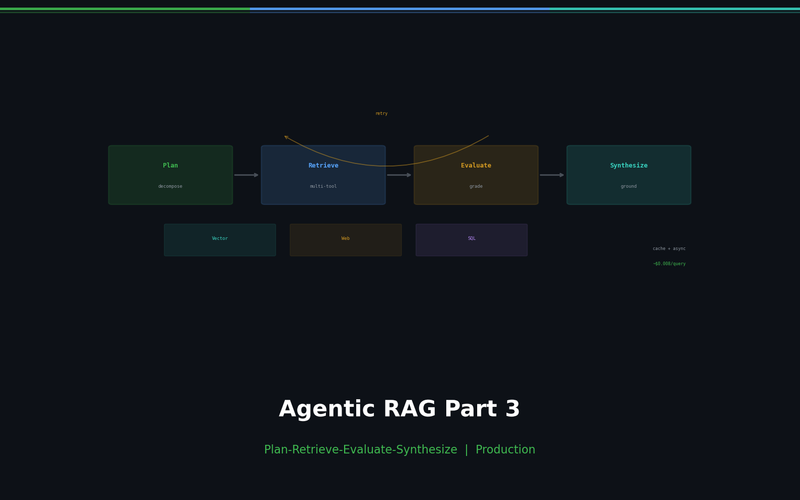
Agentic RAG Pipeline — Multi-step Retrieval in Production
Build a full Plan-Retrieve-Evaluate-Synthesize pipeline. Unify vector search, web search, and SQL as agent tools. Add hallucination detection and source grounding.
 Premium
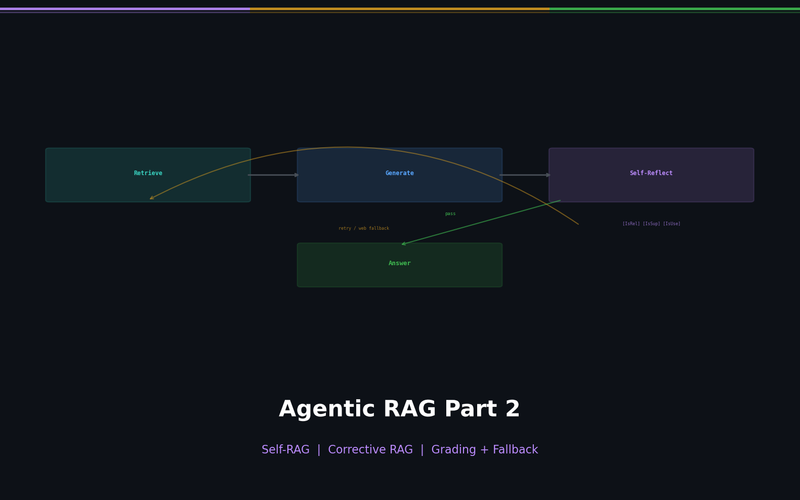
Self-RAG and Corrective RAG — The Agent Evaluates Its Own Retrieval
Implement Self-RAG reflection tokens and CRAG quality-based fallback. Build retry/fallback logic with LangGraph conditional edges.
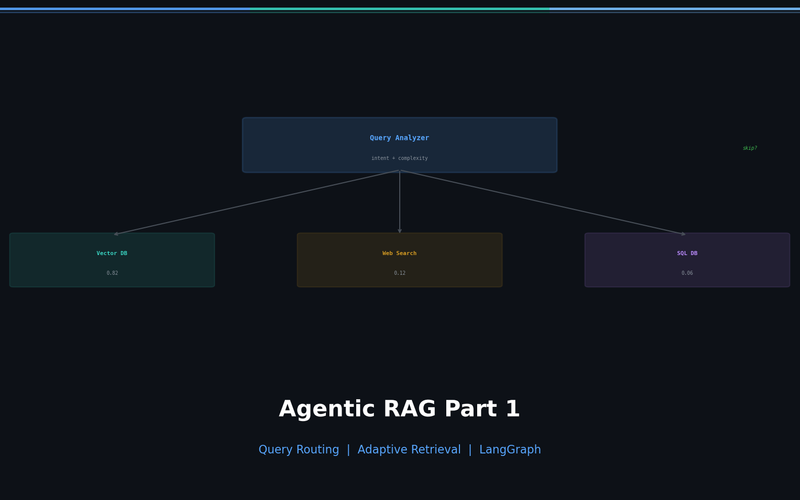
Why Agentic RAG? — Query Routing and Adaptive Retrieval
Diagnose naive RAG limitations, classify query intent, and route to the optimal retrieval source with LangGraph. Implement adaptive retrieval that skips unnecessary searches.
 Premium
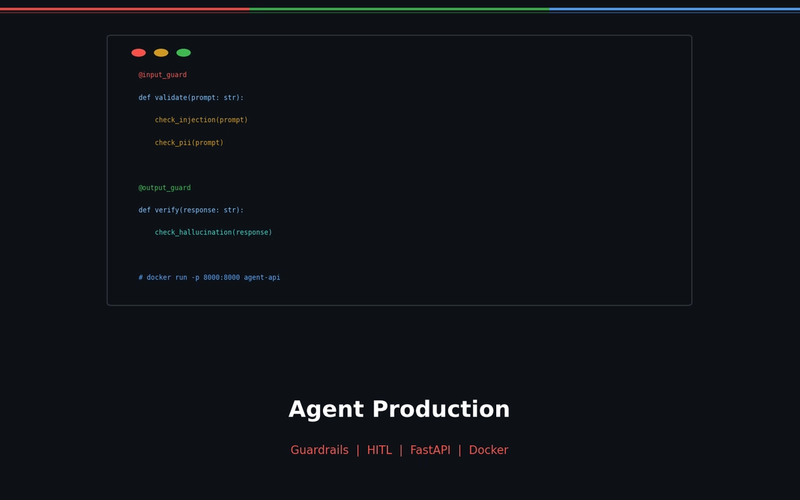
Agent in Production — From Guardrails to Docker Deployment
Implement Input/Output Guardrails, LLM-as-Judge, Human-in-the-Loop, and deploy to production with FastAPI + Docker.
 Premium
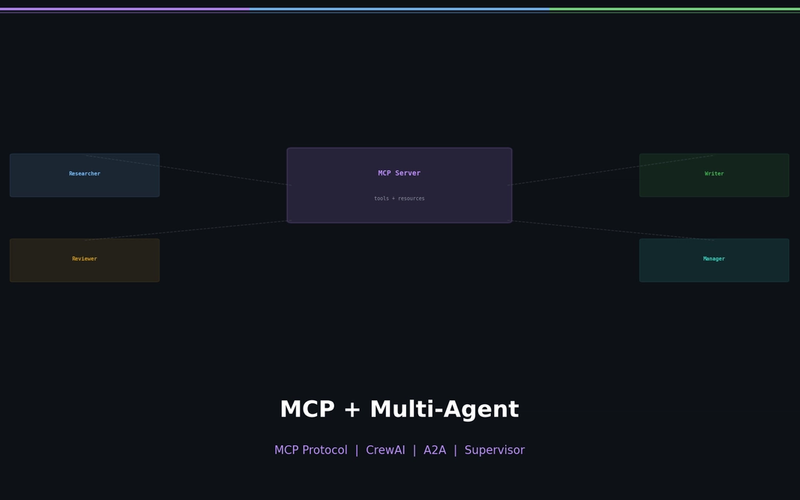
MCP + Multi-Agent — How Agents Share Tools and Collaborate
Standardize tools with MCP, build role-based multi-agent systems with CrewAI. A2A protocol and architecture selection guide.
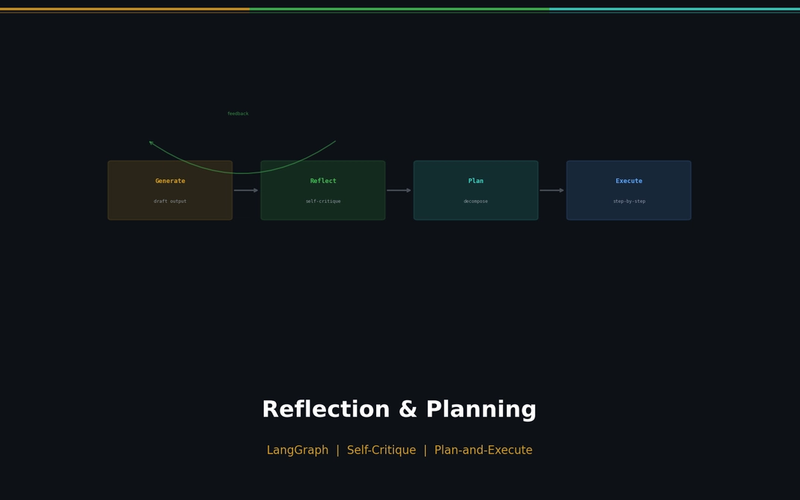
LangGraph in Practice — Reflection Agent and Planning Patterns
Upgrade ReAct with Tool Calling, then build Reflection and Planning Agents with LangGraph.
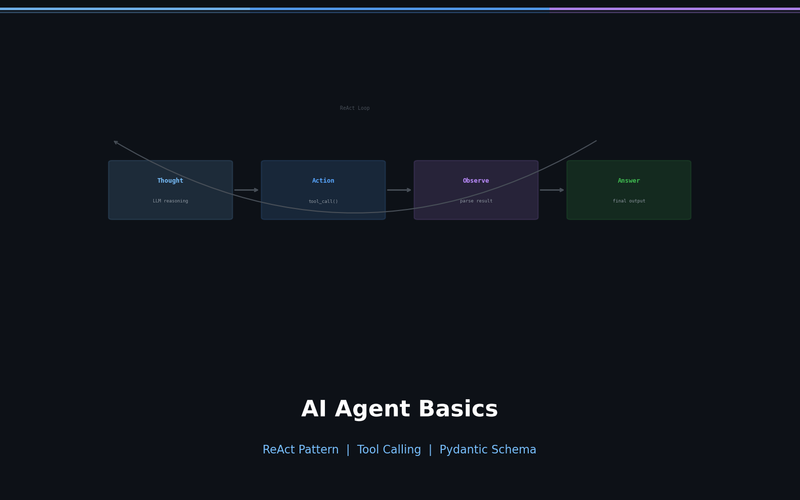
Getting Started with AI Agents — Making LLMs Act with the ReAct Pattern
Understand the foundational ReAct pattern. The difference between chatbots and agents, the Thought-Action-Observation loop, and why ReAct falls short in production.
 Premium
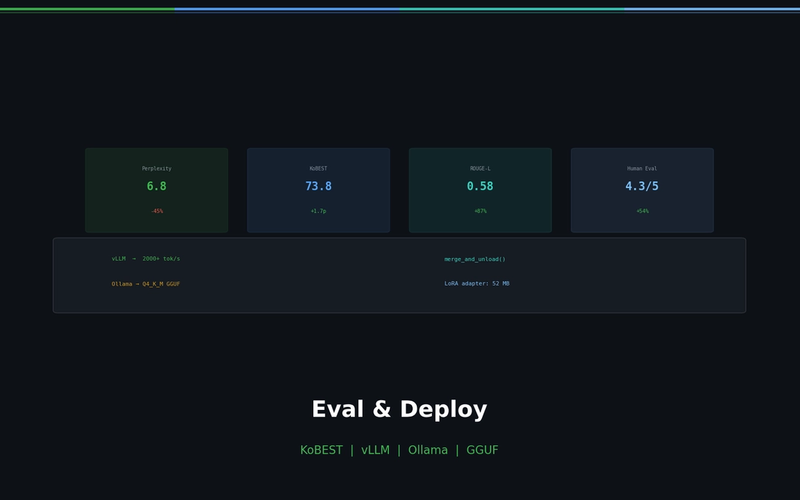
From Evaluation to Deployment — The Complete Fine-tuning Guide
Evaluate with Perplexity and KoBEST benchmarks, merge LoRA weights, and deploy with vLLM/Ollama/HuggingFace Spaces.
 Premium
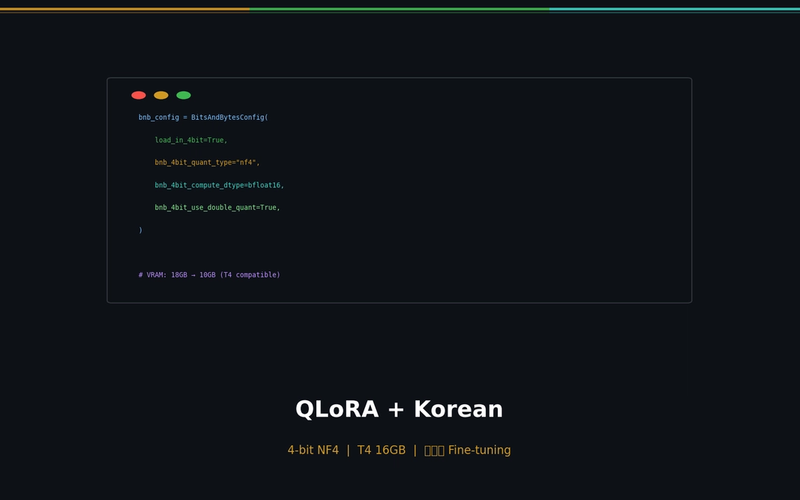
QLoRA + Custom Dataset — Fine-tune 7B on a Single T4 GPU
Fine-tune a 7B model on a T4 16GB with QLoRA. Dataset construction, training execution, Wandb monitoring, and Before/After comparison.
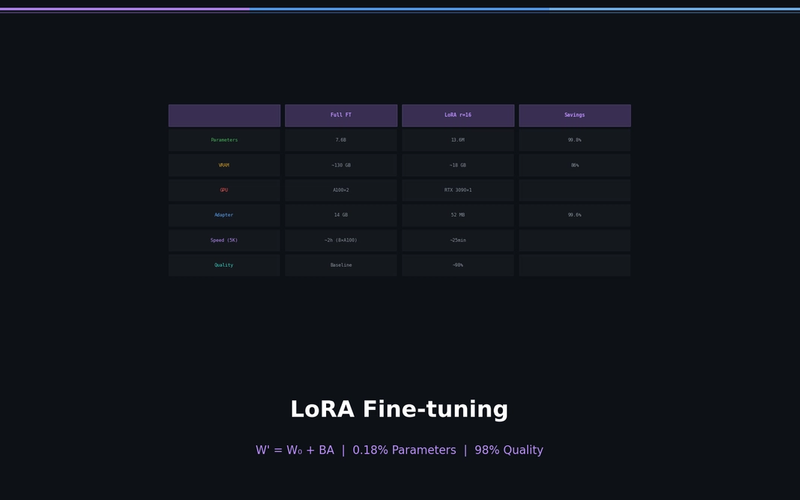
Mastering LoRA — Fine-tune a 7B Model on a Single Notebook
From LoRA theory to Qwen 2.5 7B model setup. 99.8% parameter reduction and 86% memory savings vs full fine-tuning, explained with code.
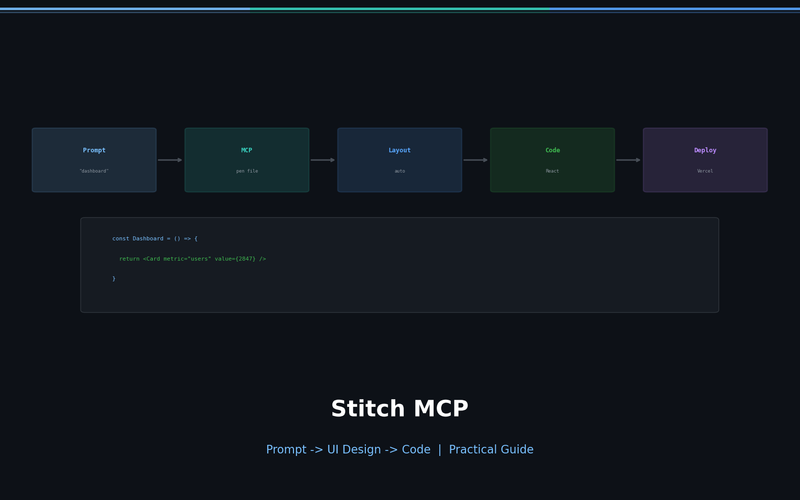
Google Stitch MCP Setup Guide — Claude Code, Cursor, Gemini CLI (2026)
Step-by-step Stitch MCP setup for every AI coding platform. Auto-install, manual config, UI generation examples, and troubleshooting — everything the official docs skip.
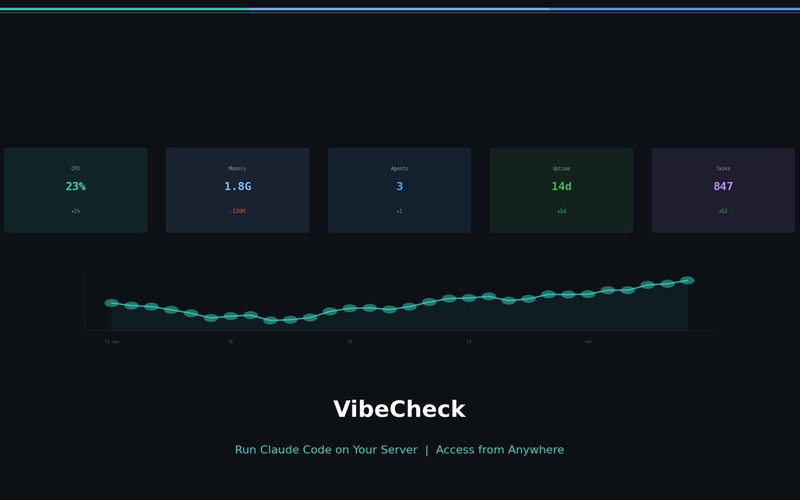
I Wanted Claude Code Running 24/7 on a Server — So I Built VibeCheck
Close your laptop, Claude Code dies. VibeCheck runs it headlessly on your server so you can access from any browser, anywhere. MIT open source.
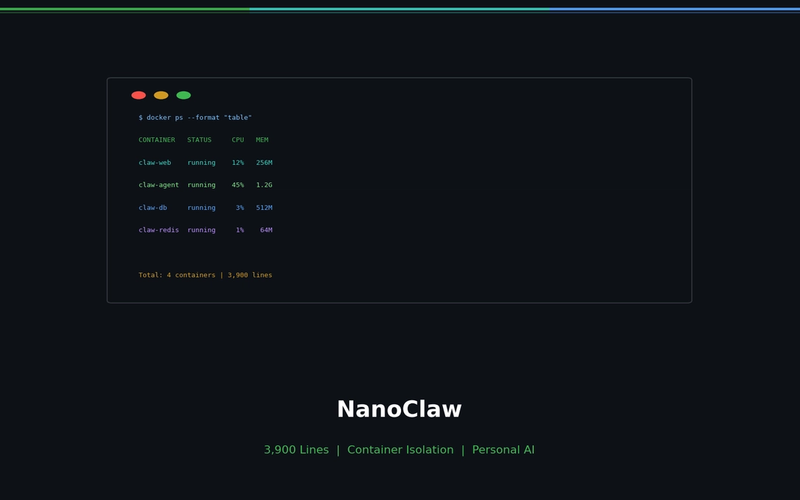
I Have Claude Desktop. Why Did I Install NanoClaw?
Claude Desktop is a solo app. If you want AI in your team chat, automated daily briefings, and a codebase you can actually read — NanoClaw.
Does Claude Code Keep Running If You Close Your Laptop? What Pauses, What Survives (tmux Tested)
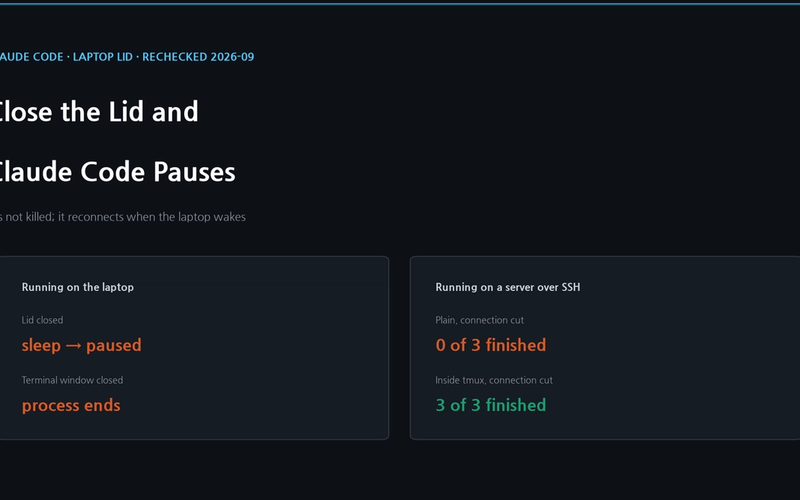
Short answer: no. Closing the lid puts the laptop to sleep and Claude Code pauses; it reconnects when you open it, but nothing runs in between. How to keep it running on Windows and Mac, why a laptop is a poor host, and the setup that survives: tmux on a server (3 of 3 runs finished after a disconnect, 0 of 3 without it) or a cloud session.
Claude Sonnet 4.6: Opus-Level Performance, 40% Cheaper — Benchmark Deep Dive
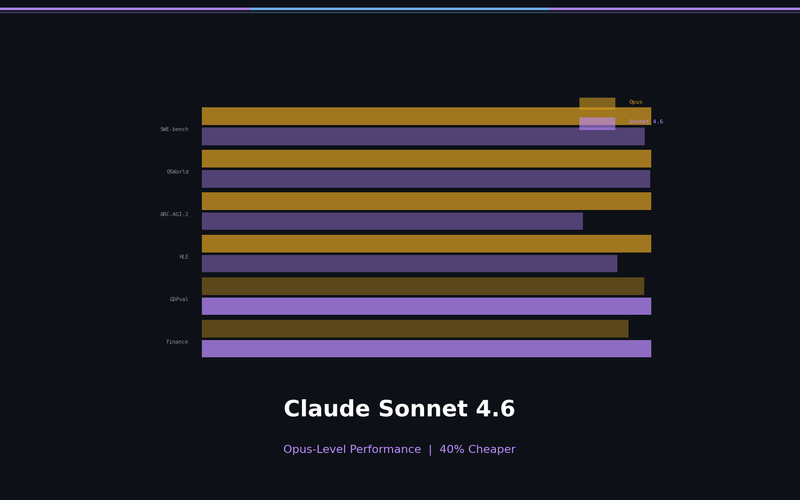
Claude Sonnet 4.6 scores 79.6% on SWE-bench, 72.5% on OSWorld, and 1633 Elo on GDPval-AA — matching or beating Opus 4.6 on production tasks. $3/$15 vs $5/$25 per M tokens. Analysis of Adaptive Thinking, Context Compaction, and OSWorld growth trajectory.
MiniMax M2.5: Opus-Level Performance at $1 per Hour
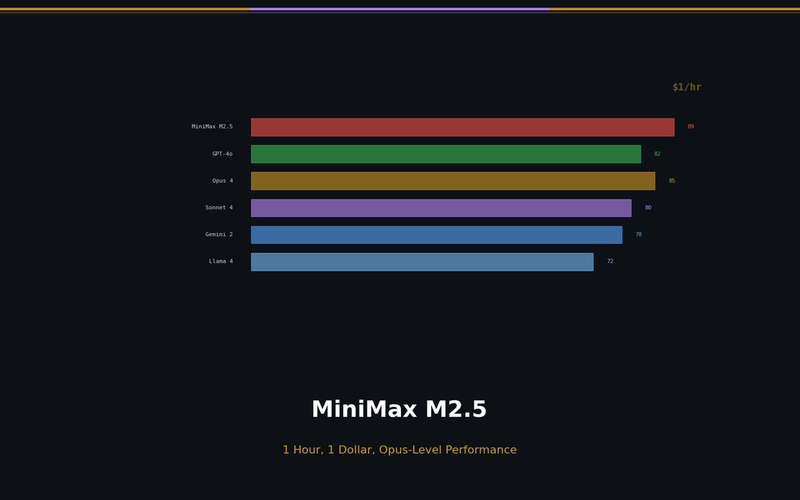
MiniMax M2.5 achieves SWE-bench 80.2% using only 10B active parameters from a 230B MoE architecture. 1/20th the cost of Claude Opus with comparable coding performance. Forge RL framework, benchmark analysis, pricing comparison.
 Premium
Backpropagation From Scratch: Chain Rule, Computation Graphs, and Topological Sort
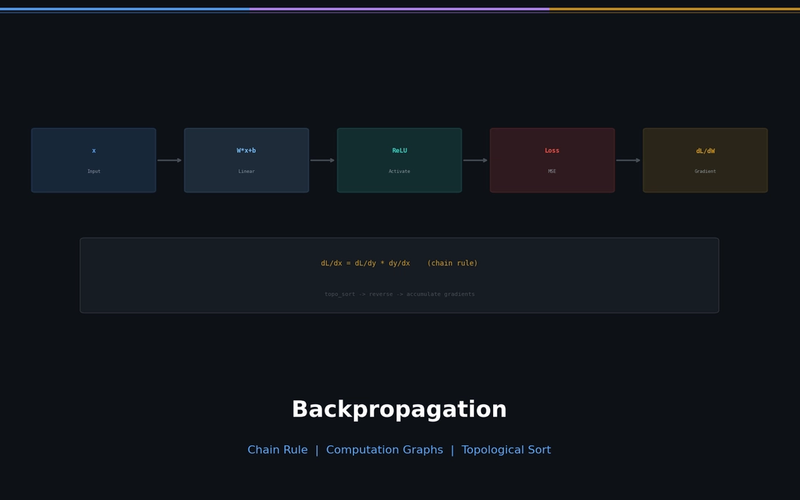
How microgpt.py's 15-line backward() works. From high school calculus to chain rule, computation graphs, topological sort, and backpropagation.
 Premium
Karpathy's microgpt.py Dissected: Understanding GPT's Essence in 150 Lines
A line-by-line dissection of microgpt.py -- a pure Python GPT implementation with zero dependencies. Training, inference, and autograd in 150 lines.
Diffusion LLM Part 4: LLaDA 2.0 -> 2.1 -- Breaking 100B with MoE + Token Editing
MoE scaling, Token Editing (T2T+M2T), S-Mode/Q-Mode, RL Framework -- how LLaDA 2.X makes diffusion LLMs practical.
 Premium
Diffusion LLM Part 3: LLaDA -- Building an 8B LLM with Masked Diffusion
Variable Masking, Fisher Consistency, In-Context Learning, Reversal Curse -- how LLaDA built a real LLM with diffusion.
 Premium
Diffusion LLM Part 2: Discrete Diffusion -- How to Add Noise to Text
D3PM, Transition Matrices, Absorbing States, MDLM -- how to bring diffusion from continuous space to discrete tokens.
Diffusion LLM Part 1: Diffusion Fundamentals -- From DDPM to Score Matching
Forward/Reverse Process, ELBO, Simplified Loss, Score Function -- the mathematical principles of diffusion models explained intuitively.
Can Diffusion Replace Autoregressive LLMs? The Complete LLaDA 2.X Guide
From DDPM to LLaDA 2.1 -- everything about diffusion-based LLMs. Masked Diffusion, Token Editing, and MoE scaling dissected across 4 parts.
 Premium
Can AI Read Minds? LLM Failures in Common Sense and Cognition
Theory of Mind, Physical Common Sense, Working Memory — testing where text-only LLMs fail in common sense and cognition.
 Premium
LLM Reasoning Failures Part 2: Cognitive Biases — Inherited from Human Data
Anchoring, Order Bias, Sycophancy, Confirmation Bias — cognitive biases from RLHF and training data, tested across 7 models.
 Premium
LLM Reasoning Failures Part 1: Structural Limitations -- Scaling Won't Fix These
Reversal Curse, Counting, Compositional Reasoning — fundamental Transformer failures tested across 7 models.
Are LLMs Really Smart? Dissecting AI's Reasoning Failures
Stanford researchers analyzed 500+ papers to systematically map LLM reasoning failures. From cognitive biases to the reversal curse, discover where and why AI reasoning breaks down.
 Premium
SAE and TensorLens: The Age of Feature Interpretability
Individual neurons are uninterpretable. Sparse Autoencoders extract monosemantic features from model internals, and TensorLens analyzes the entire Transformer as a single unified tensor.
TransformerLens Tutorial: Activation Patching and Path Patching on the IOI Task
Using TransformerLens to directly manipulate model activations, we trace which layers and heads causally produce the answer. A hands-on guide to activation patching.
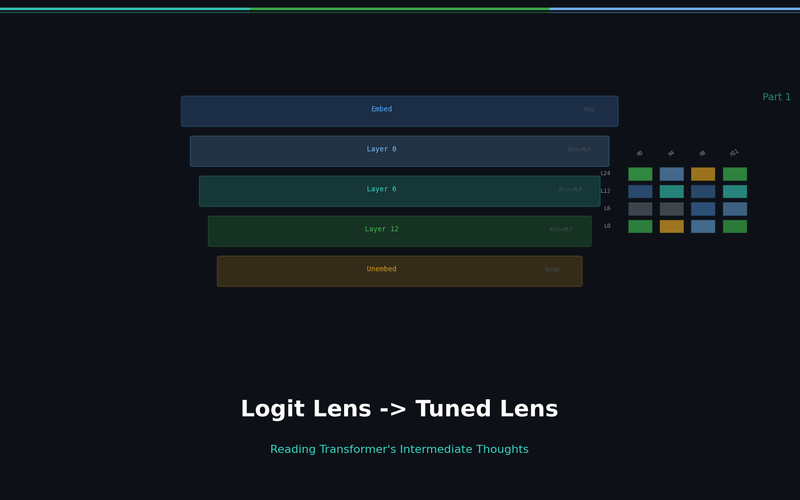
From Logit Lens to Tuned Lens: Reading the Intermediate Thoughts of Transformers
What happens inside an LLM between input and output? Logit Lens and Tuned Lens let us observe how Transformers build predictions layer by layer.
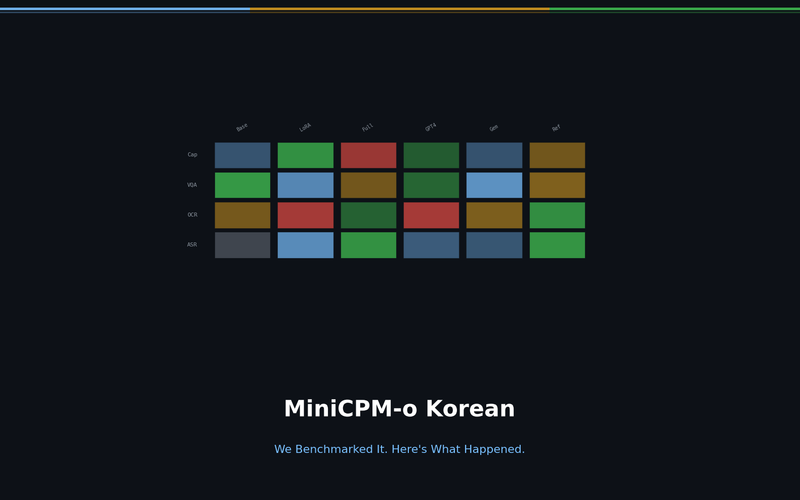
We Benchmarked MiniCPM-o 4.5 in Korean. Here's What Actually Happens.
We benchmarked MiniCPM-o 4.5's Korean performance side by side with English. Image descriptions, OCR, document extraction — what works, what breaks, and why the root cause is architecture, not prompts.
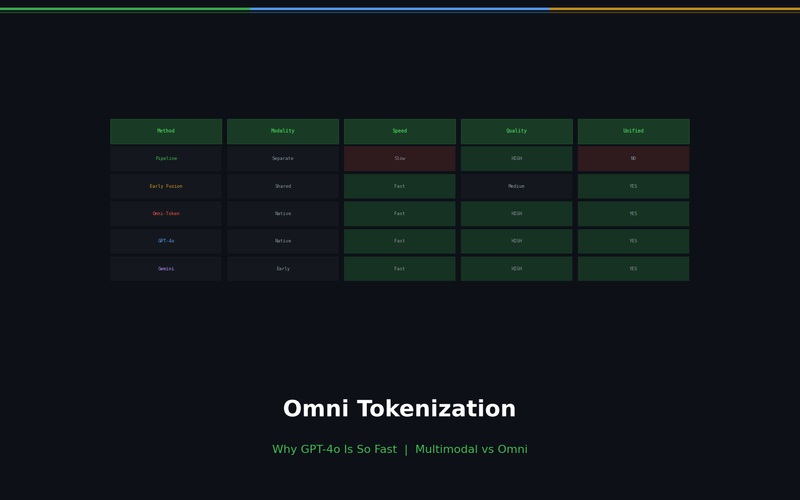
Why GPT-4o Is So Fast: The Critical Difference Between Multimodal and Omni Models
A token-level analysis comparing the pipeline approach (STT→LLM→TTS) text bottleneck with native omni model token fusion. Explains why GPT-4o and MiniCPM-o are fundamentally faster.
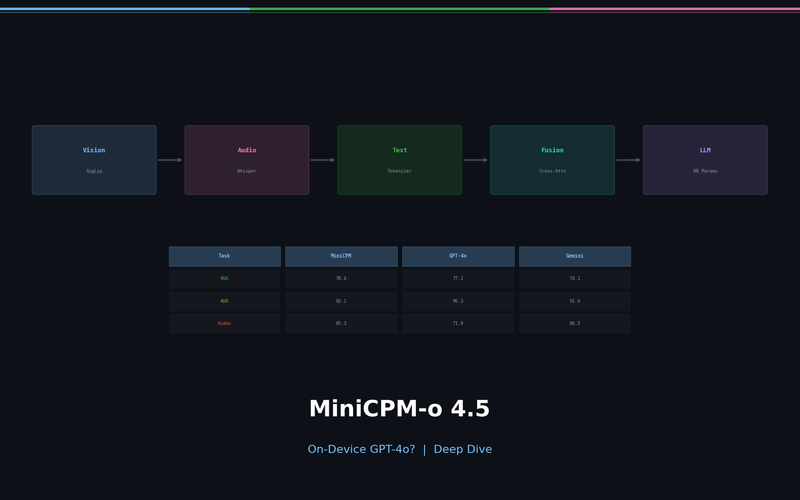
On-Device GPT-4o Has Arrived? A Deep Dive into MiniCPM-o 4.5
OpenBMB's MiniCPM-o 4.5 achieves GPT-4o-level vision performance with just 9B parameters, running on only 11GB VRAM with Int4 quantization. A deep analysis of the architecture, benchmarks, and practical deployment guide.
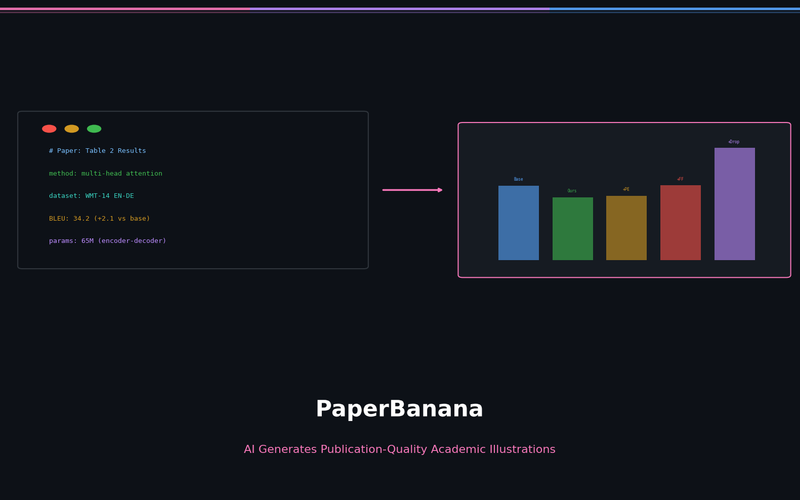
PaperBanana: AI Now Generates Publication-Quality Academic Illustrations
PaperBanana from Google and Peking University is an agentic system that automatically generates publication-ready academic illustrations from paper text.
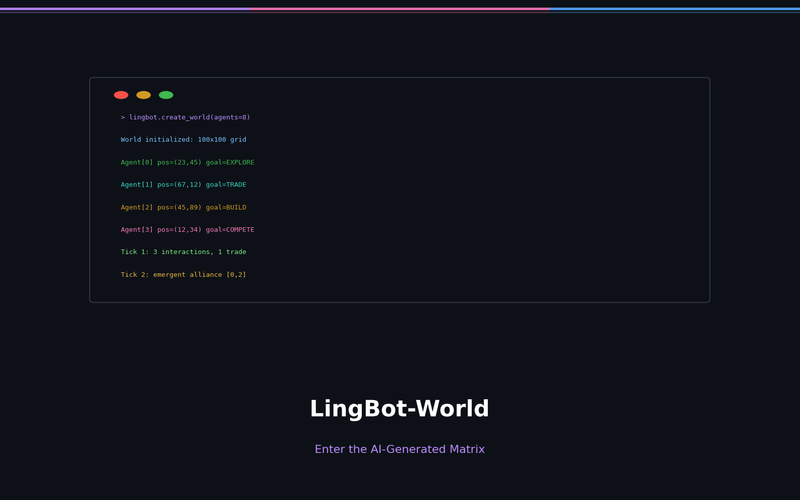
LingBot-World: Enter the AI-Generated Matrix
LingBot-World from Ant Group is the first high-performance real-time world model released as open source. AI generates worlds in real-time based on keyboard input - we analyze this revolutionary project.
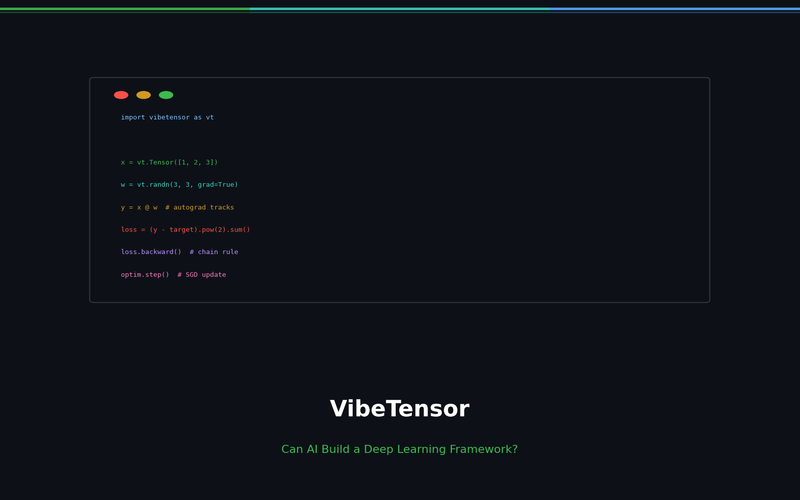
VibeTensor: Can AI Build a Deep Learning Framework from Scratch?
NVIDIA researchers released VibeTensor, a complete deep learning runtime generated by LLM-based AI agents. With over 60,000 lines of C++/CUDA code written by AI, we analyze the possibilities and limitations this project reveals.
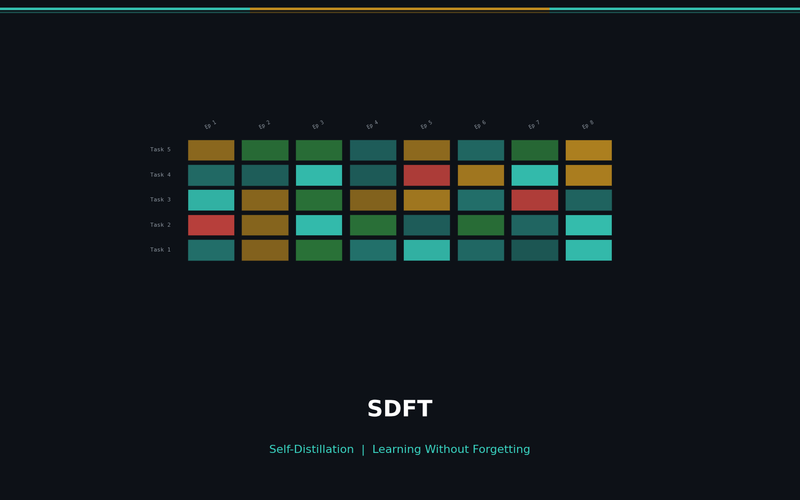
SDFT: Learning Without Forgetting via Self-Distillation
No complex RL needed. Models teach themselves to learn new skills while preserving existing capabilities.
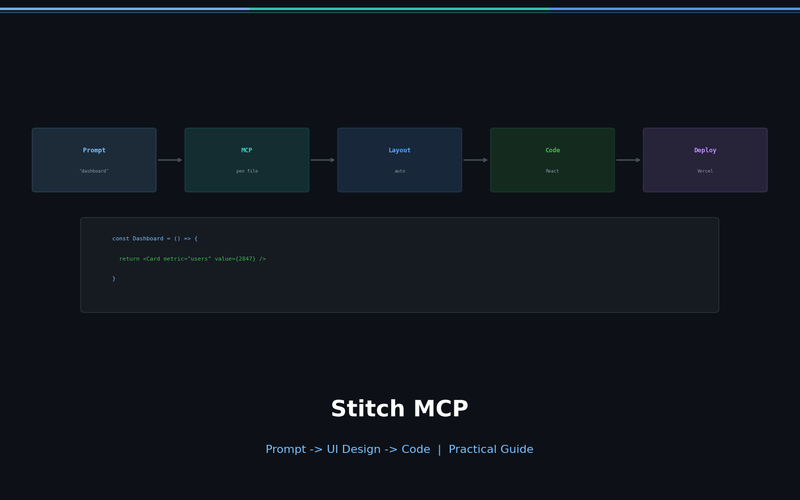
Google Stitch MCP: API Key, Server Setup, and Tools — Claude Code, Cursor, Gemini CLI, VS Code
Get a Google Stitch API key, connect the Stitch MCP server at stitch.googleapis.com/mcp to Claude Code, Cursor, Gemini CLI or VS Code, and call create_project and generate_screen_from_text. With a worked example, pricing, and the OAuth path.
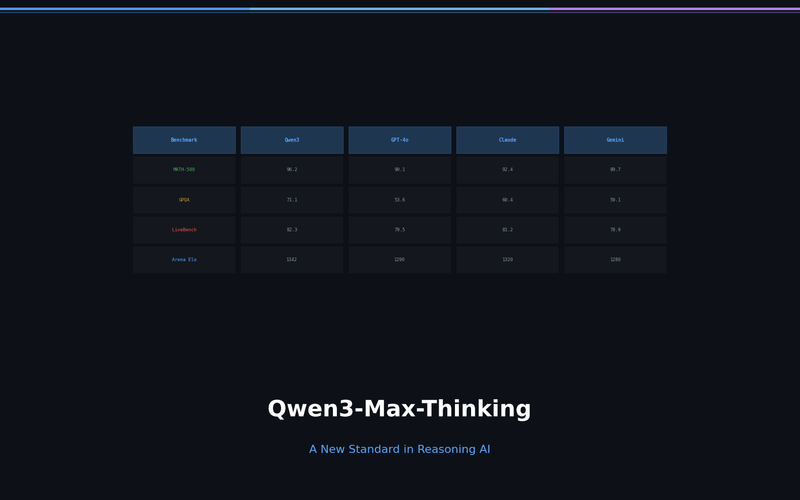
Qwen3-Max-Thinking Snapshot Release: A New Standard in Reasoning AI
The recent trend in the LLM market goes beyond simply learning "more data" — it's now focused on "how the model thinks." Alibaba Cloud has released an API snapshot (qwen3-max-2026-01-23) of its most powerful model, Qwen3-Max-Thinking.
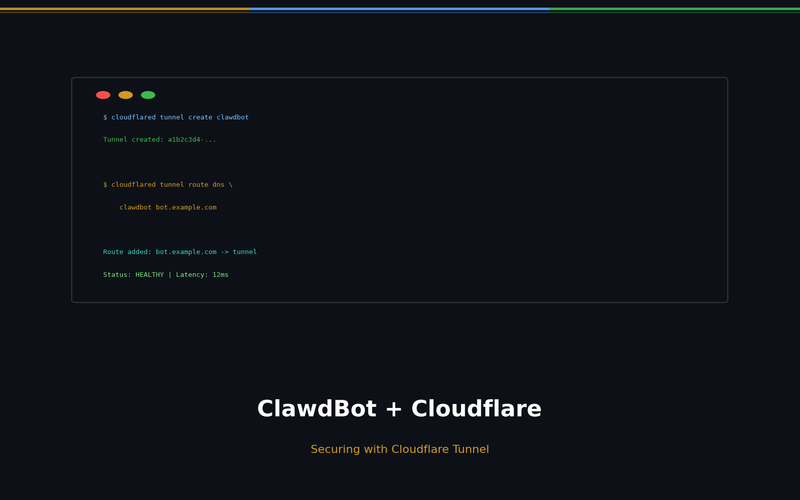
Securing ClawdBot with Cloudflare Tunnel
Learn about the security risks of exposed ClawdBot instances on Shodan and how to secure them using Cloudflare Tunnel.
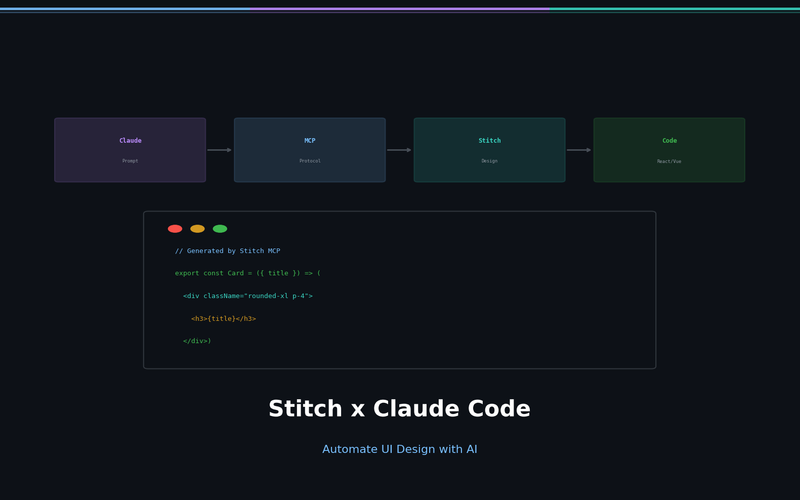
Google Stitch MCP + Claude Code — Generate Production UI from Text Prompts
Complete walkthrough: Google Cloud project setup, service account config, MCP server connection, and real UI generation examples with screenshots.
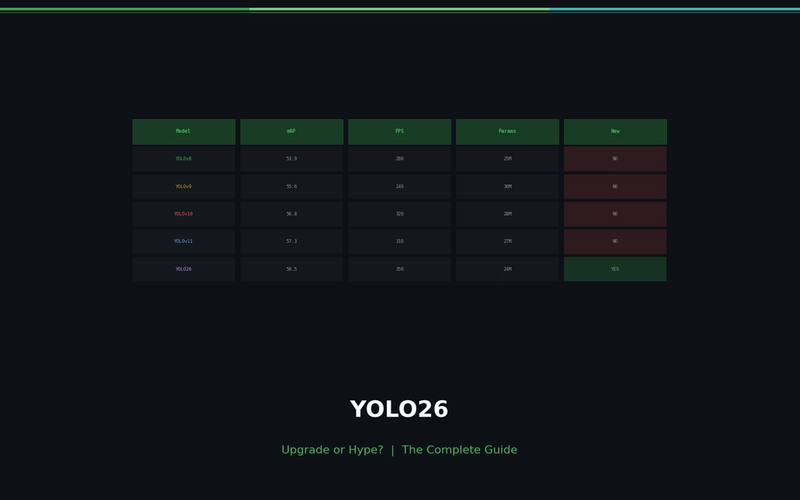
YOLO26: Upgrade or Hype? The Complete Guide
Analyzing YOLO26's key features released in January 2026, comparing performance with YOLO11, and determining if it's worth upgrading through hands-on examples.
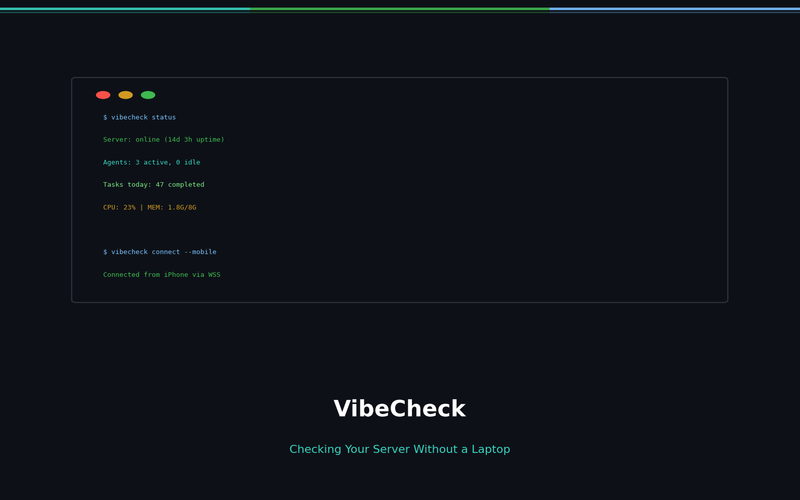
The Blind Spot of Vibe Coding: Checking Your Server Without a Laptop
Ideas always come when you don't have your laptop
 Premium
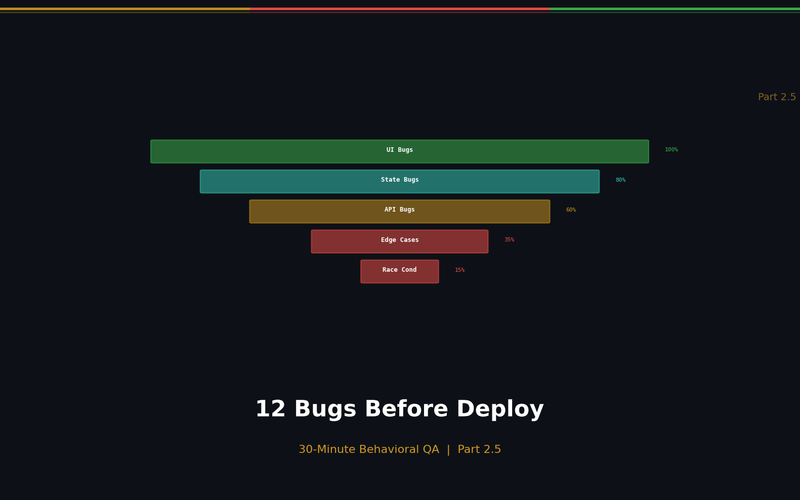
30-Minute Behavioral QA Before Deploy: 12 Bugs That Actually Break Vibe-Coded Apps
Session, Authorization, Duplicate Requests, LLM Resilience — What Static Analysis Can't Catch
 Premium
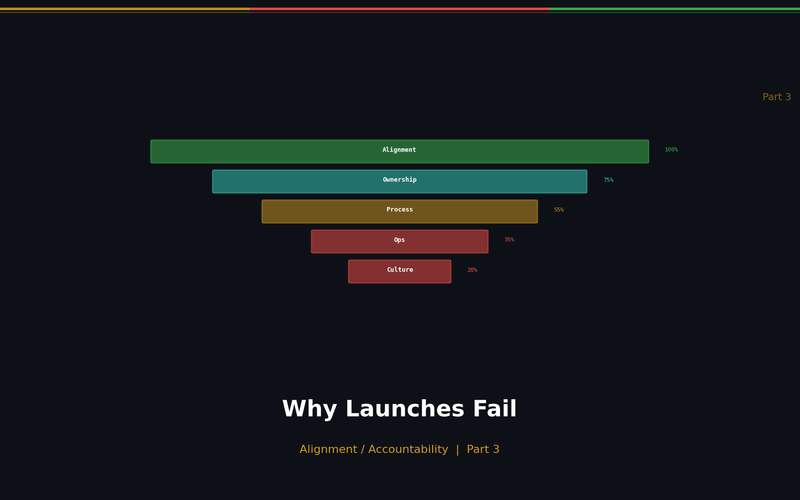
The Real Reason Launches Fail: Alignment, Accountability, Operations
AI Project Production Guide for Teams and Organizations
 Premium
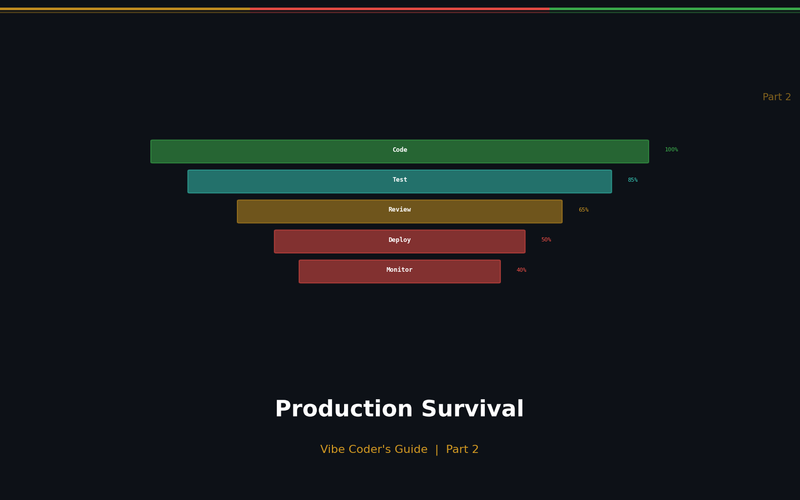
Production Survival Guide for Vibe Coders
5 Non-Negotiable Standards for Enterprise Deployment
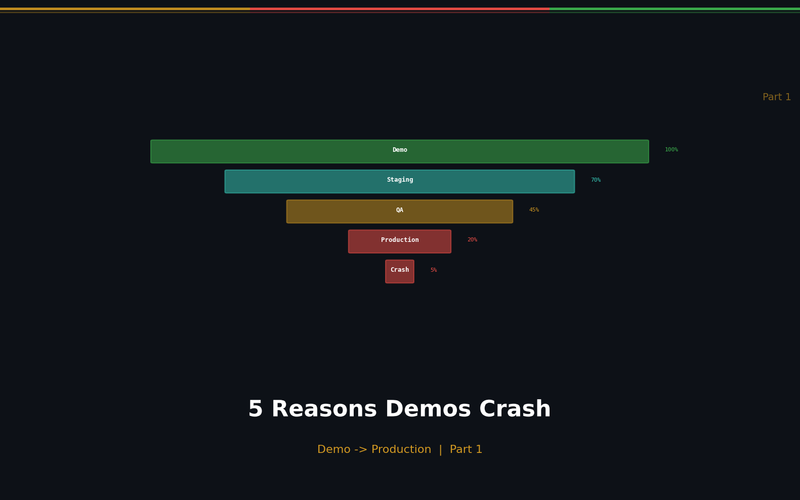
5 Reasons Your Demo Works But Production Crashes
Common patterns across AI, RAG, and ML projects — why does "it worked fine" fall apart in production?
 Premium
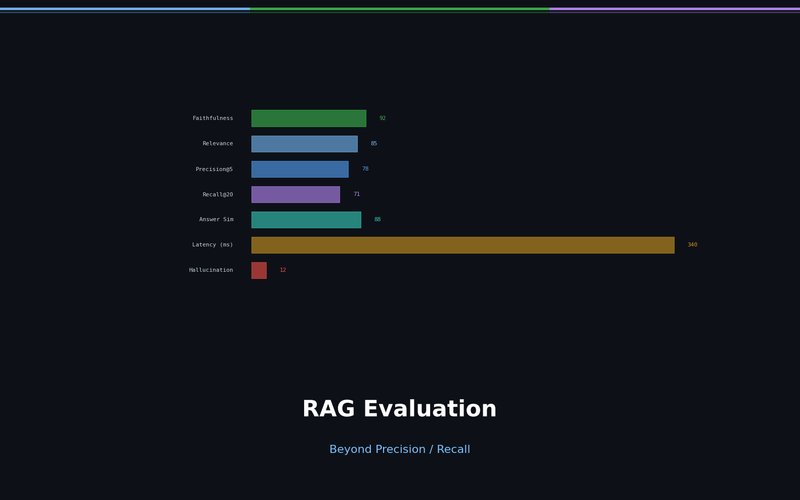
RAG Evaluation: Beyond Precision/Recall
"How do I know if my RAG is working?" — Precision/Recall aren't enough. You need to measure Faithfulness, Relevance, and Context Recall to see the real quality.
 Premium
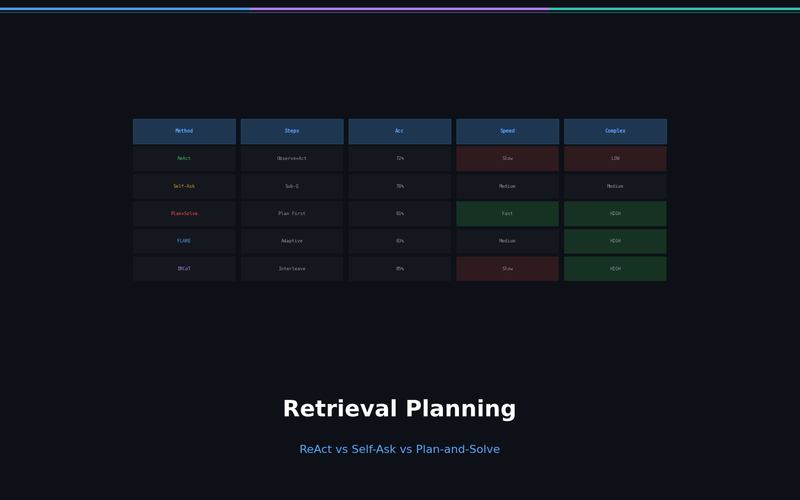
Retrieval Planning: ReAct vs Self-Ask vs Plan-and-Solve
Now that we've diagnosed Query Planning failures, it's time to fix them. Let's compare when each of these three patterns shines.
 Premium
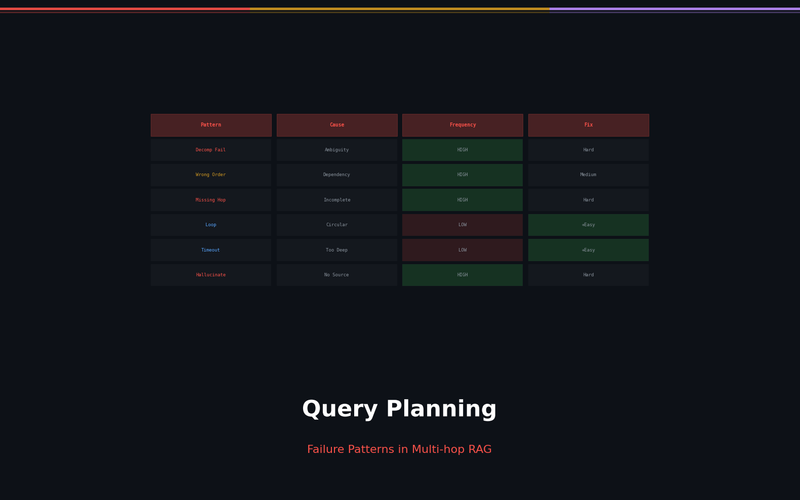
Query Planning Failures in Multi-hop RAG: Patterns and Solutions
You added Query Decomposition, but why does it still fail? Decomposition is just the beginning—the real problems emerge in Sequencing and Grounding.
 Premium
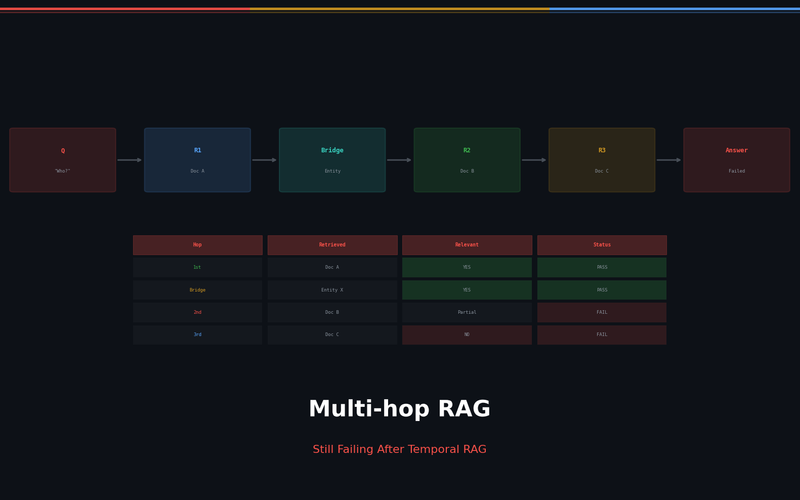
Multi-hop RAG: Why It Still Fails After Temporal RAG
You added Temporal RAG, but "who is my boss's boss?" still returns wrong answers. RAG now understands time, but it still doesn't know "what to search for next."
 Premium
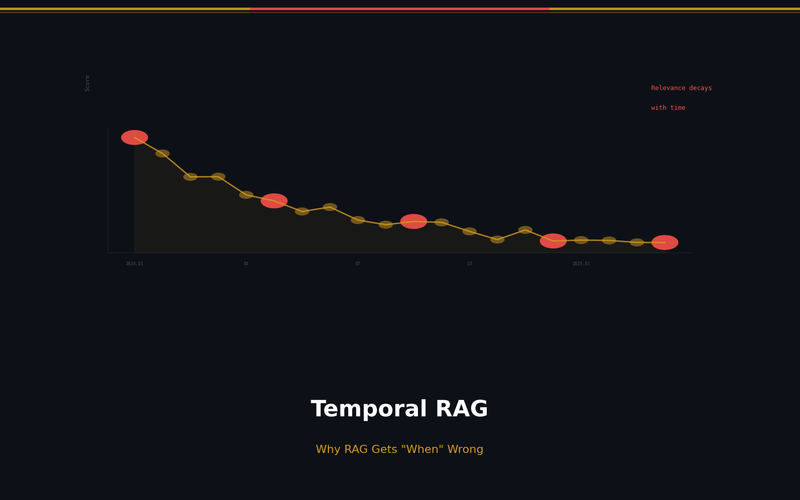
Temporal RAG: Why RAG Always Gets 'When' Questions Wrong
"Who was the CEO in 2023?" "What about now?" — Why RAG gives wrong answers to these simple questions, and how to fix it.
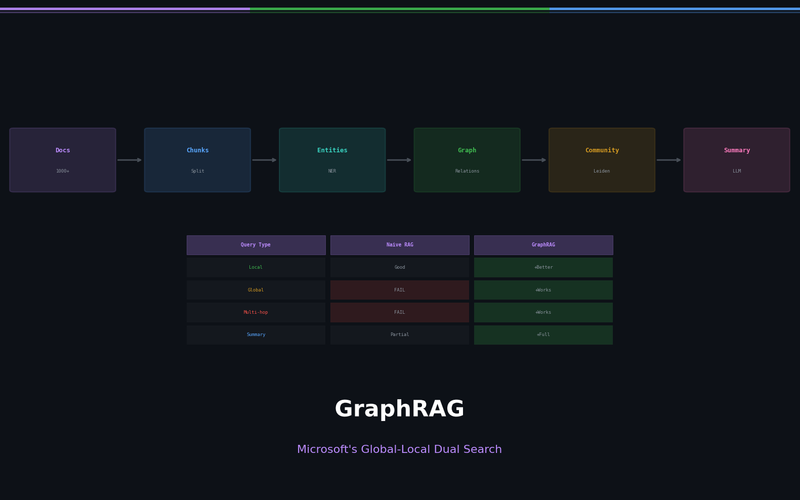
GraphRAG: Microsoft's Global-Local Dual Search Strategy
Why can't traditional RAG answer "What are the main themes in these documents?" Microsoft Research's GraphRAG reveals the secret of community-based search.
 Premium
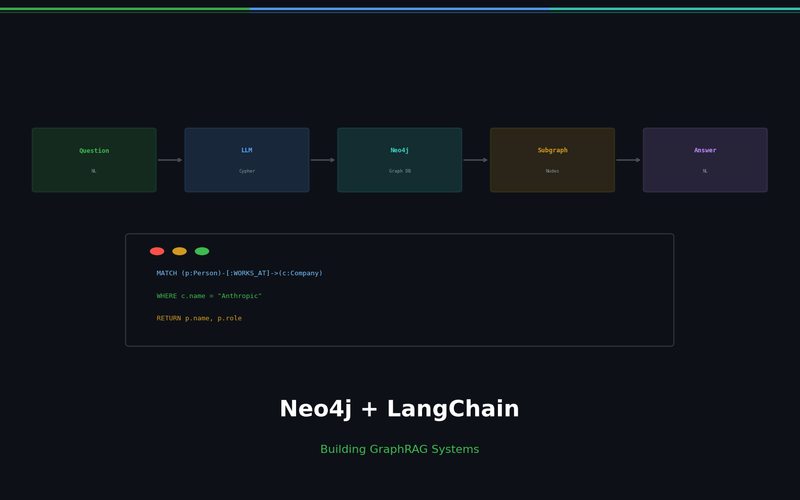
Building GraphRAG with Neo4j + LangChain
Automatically convert natural language questions to Cypher queries and generate accurate answers using relationship data from your graph database.
 Premium
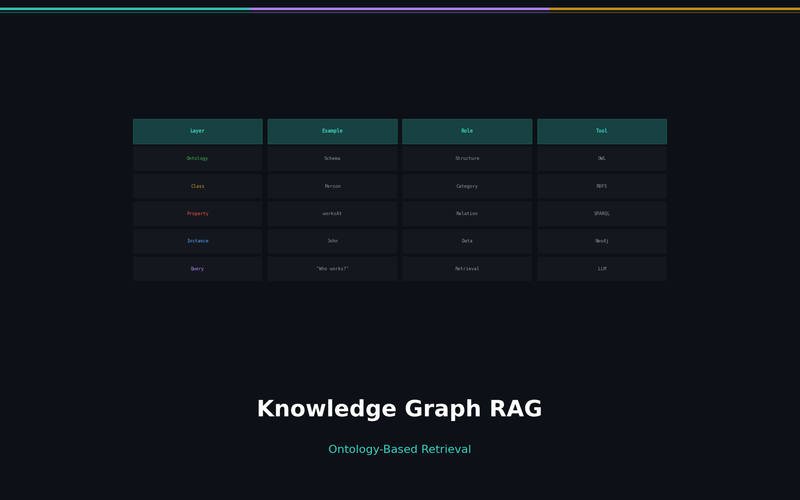
Overcoming RAG Limitations with Knowledge Graphs: Ontology-Based Retrieval Systems
Vector search alone isn't enough. Upgrade your RAG system with Knowledge Graphs that understand entity relationships.
 Premium
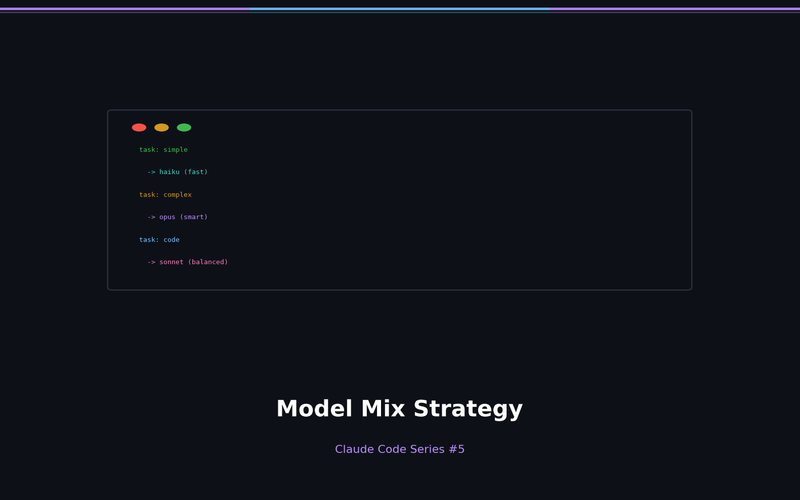
Claude Code in Practice (5): Model Mix Strategy
Tests with Haiku, refactoring with Sonnet, architecture with Opus. Learn how to optimize both cost and quality by selecting the right model for each task.
 Premium
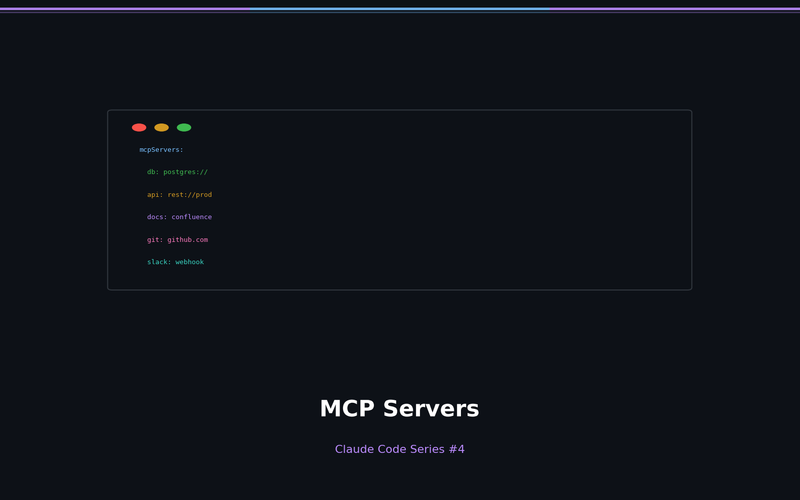
Claude Code in Practice (4): Building MCP Servers
What if Claude could read Jira tickets, send Slack messages, and query your database? Learn how to extend Claude's capabilities with MCP servers.
 Premium
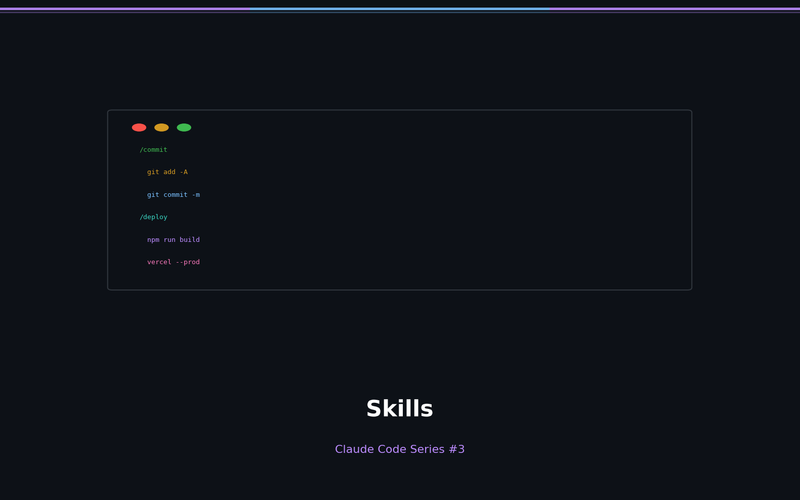
Claude Code in Practice (3): Building Team Standards with Custom Skills
Complete new hire onboarding with just /setup-dev. Automate deployment with a single /deploy staging. Learn how to create team-specific commands with Custom Skills.
 Premium
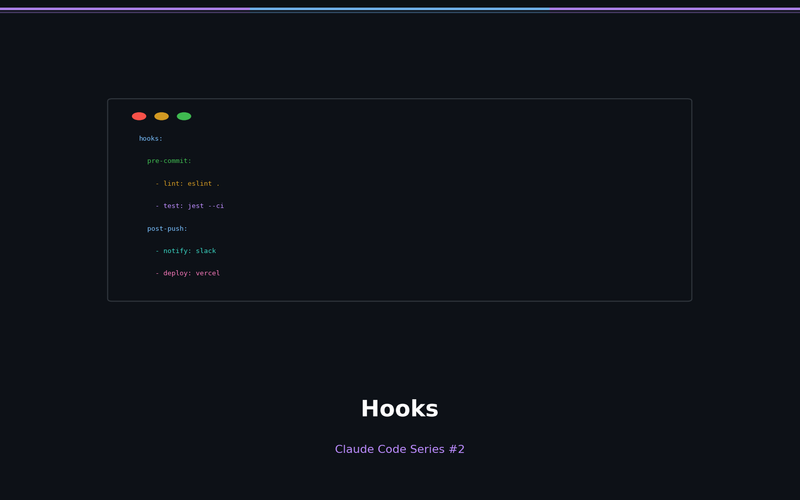
Claude Code in Practice (2): Automating Workflows with Hooks
What if Claude automatically ran lint, tests, and security scans every time it generated code? Learn how to automate team workflows with Hooks.
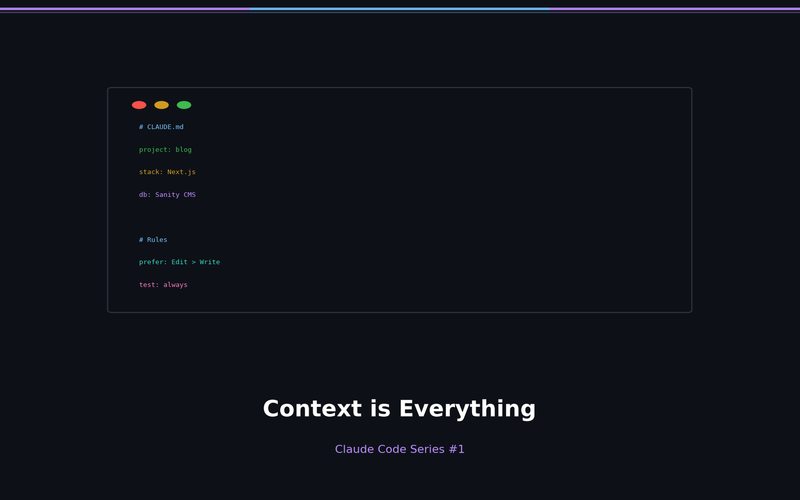
Claude Code in Practice (1): Context is Everything
One CLAUDE.md file can dramatically change your AI coding assistant's performance. Learn how to keep Claude on track in large-scale projects.
 Premium
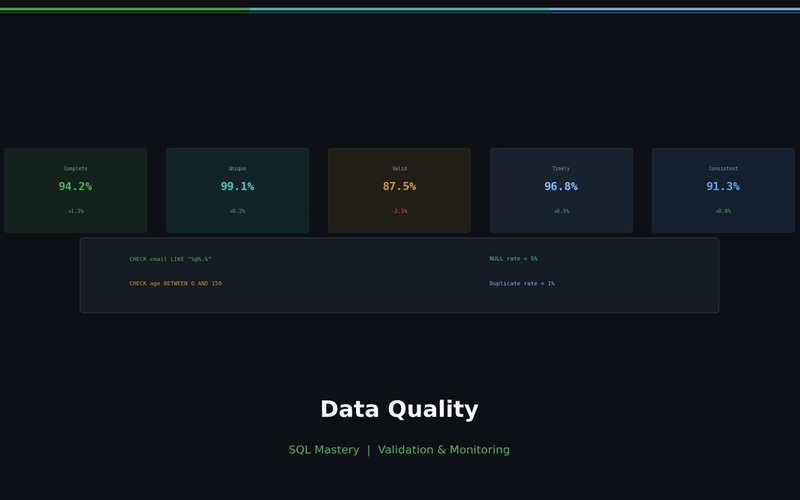
Automating Data Quality Checks: SQL Templates for NULL, Duplicates, and Consistency
SQL checklist to catch data quality issues early. NULL checks, duplicates, referential integrity, range validation.
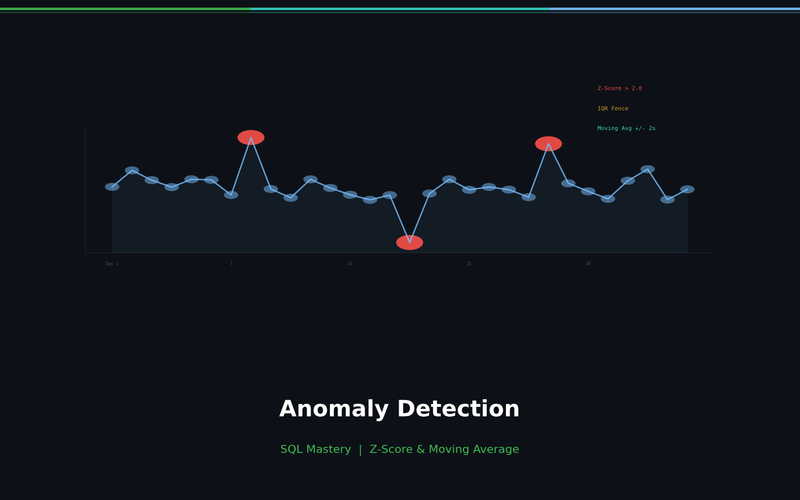
Anomaly Detection in SQL: Finding Outliers with Z-Score and IQR
Automatically detect abnormal data with SQL. Implement Z-Score, IQR, and percentile-based outlier detection.
 Premium
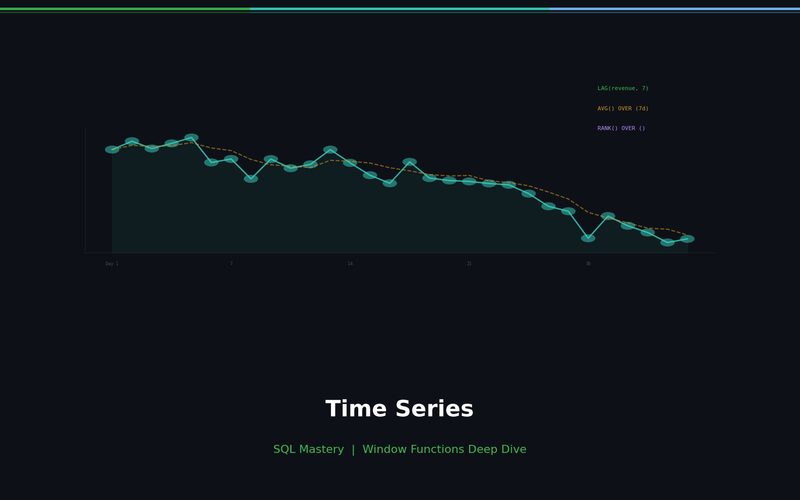
Time Series Analysis in SQL: Mastering Moving Averages, YoY, and MoM Trends
Can't see the revenue trend? How to implement moving averages, YoY, and MoM comparisons in SQL.
 Premium
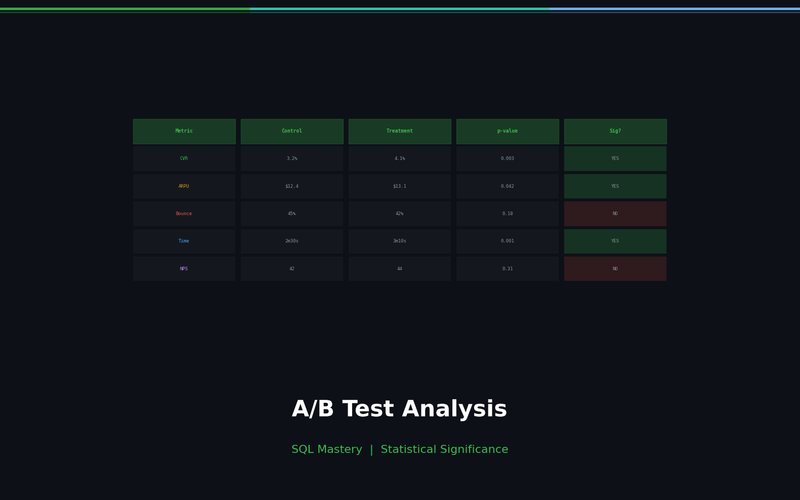
A/B Test Analysis in SQL: Calculating Statistical Significance Yourself
Analyze A/B test results with SQL alone. Z-test, confidence intervals, and sample size calculation.
 Premium
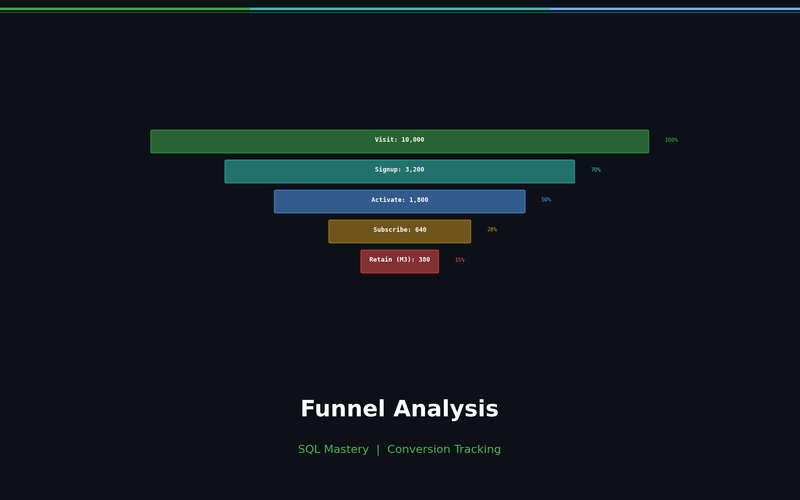
Advanced Funnel Analysis: Finding Conversion Rates and Drop-off Points in SQL
Pinpoint exactly where users drop off with SQL. Everything about calculating step-by-step conversion rates.
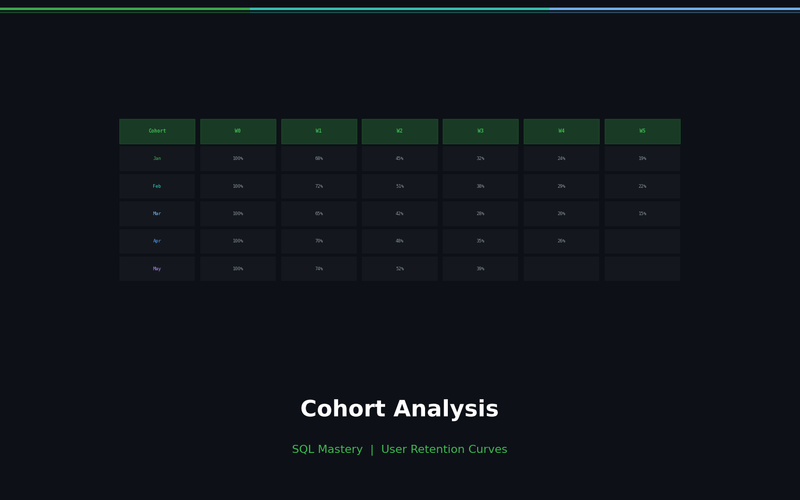
Building Cohort Analysis in SQL: The Complete Guide to Retention
Build cohort analysis without GA4. Implement monthly retention and N-day retention directly in SQL.
 Premium
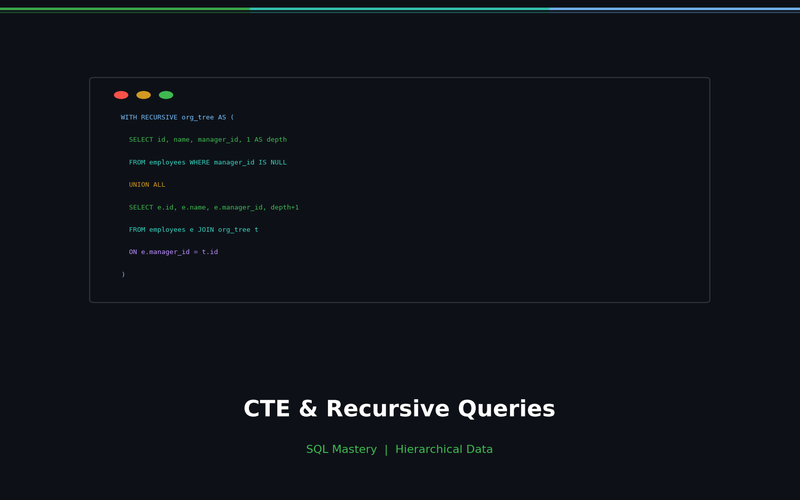
Mastering CTE: Escape Subquery Hell Once and For All
One WITH clause transforms unreadable queries into clear, logical steps. Recursive CTEs handle hierarchies with ease.
 Premium
CFG-free Distillation: Fast Generation Without Guidance
Eliminating the 2x computational cost of CFG. Achieving same quality with single forward pass.
 Premium
Consistency Models: A New Paradigm for 1-Step Generation
Single-step generation without iterative sampling. OpenAI's innovative approach using self-consistency property.
SDE vs ODE in Diffusion Models: Differences, Math and When to Use Each
Stochastic vs Deterministic. A deep dive into Score-based SDEs and Probability Flow ODEs, the theoretical foundations of DDPM and DDIM.
MMDiT Architecture Explained: Inside Stable Diffusion 3 and FLUX
From U-Net to Transformer. A deep dive into MMDiT architecture treating text and image equally, plus Rectified Flow and Guidance Distillation.
Rectified Flow: Straightening Paths Toward 1-Step Generation
Flow Matching still too slow? Reflow straightens trajectories for 1-step generation. The core technique behind SD3 and FLUX.
 Premium
Flow Matching vs DDPM: Why ODE Beats SDE in Diffusion Models
DDPM needs 1000 steps, Flow Matching needs 10. The mathematics of straight-line generation. Comparing SDE curved paths vs ODE straight paths.
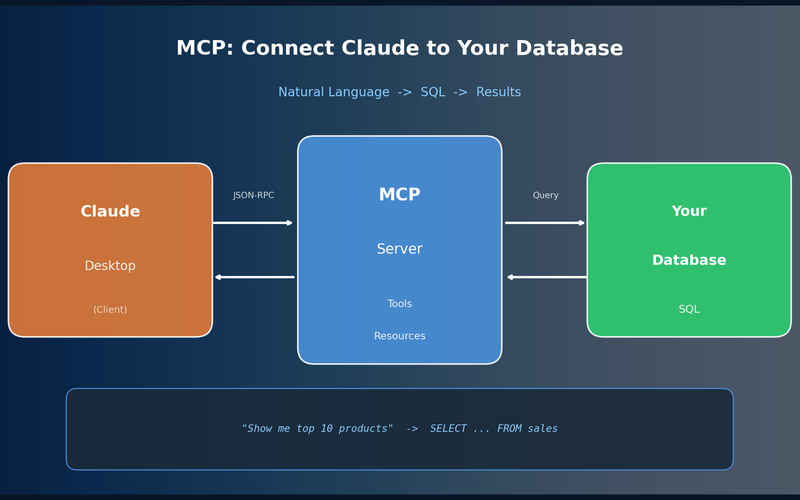
Claude Can't Read Your Database? Connect It Directly with MCP
Build an MCP server in 50 lines of Python to connect Claude to your database. Execute SQL queries with natural language.
 Premium
Build Your Own Marketing Funnel Without GA4 — Sessions, Attribution, ROAS in SQL
Learn how to implement sessions, attribution, funnels, and ROAS with pure SQL — no expensive analytics tools needed.
 Premium
"We Need Python for This" — Handling Pivot, JSON, UTM, RFM All in SQL
Learn practical patterns to handle Pivot, JSON parsing, UTM extraction, and RFM segmentation with a single SQL query instead of 100 lines of Python.
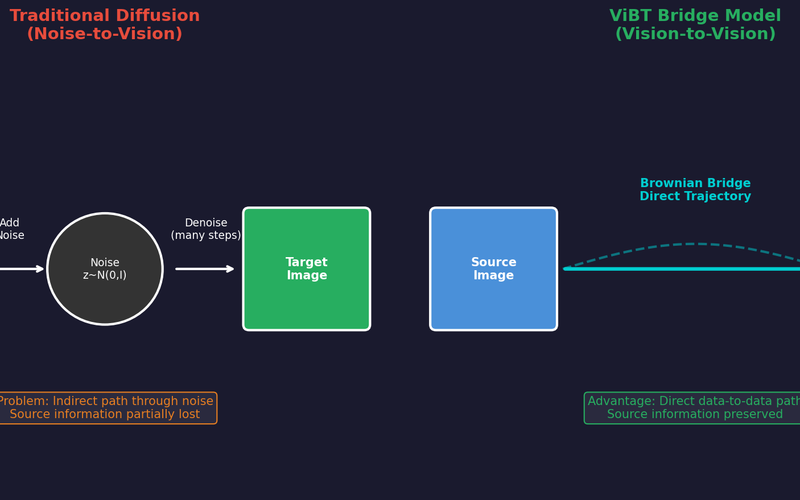
ViBT (Vision Bridge Transformer) Explained — Noise-Free Image and Video Generation (Paper Review)
What ViBT is and how the Vision Bridge Transformer skips diffusion's noise by learning a Brownian bridge from source to target. Covers the 20B image and 1.3B video models, stabilized velocity matching, up to 4× faster inference without a condition encoder, and the current limitations.
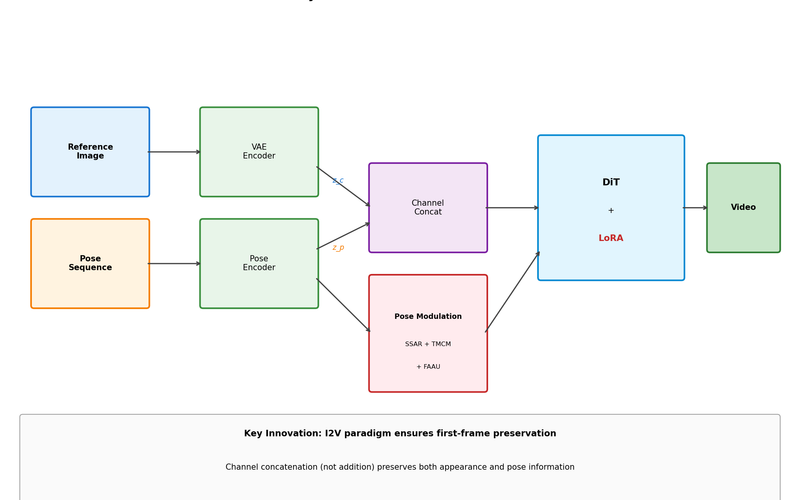
SteadyDancer Complete Analysis: A New Paradigm for Human Image Animation with First-Frame Preservation
Make a photo dance - why existing methods fail and how SteadyDancer solves the identity problem by guaranteeing first-frame preservation through the I2V paradigm.
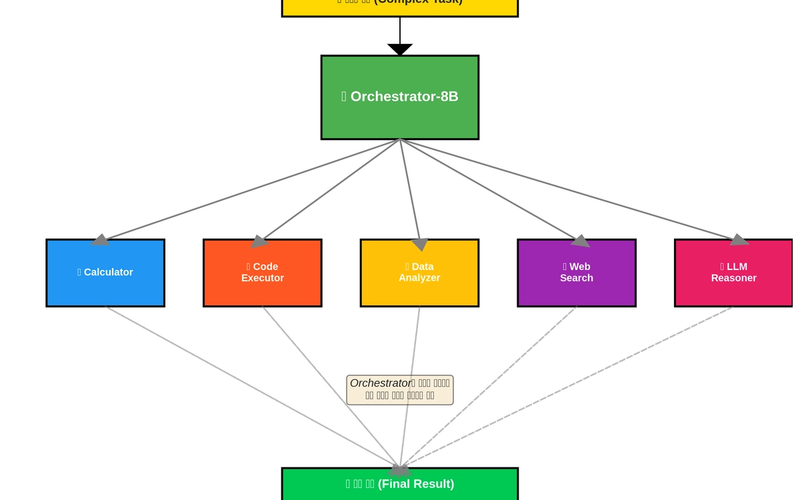
Still Using GPT-4o for Everything? (How to Build an AI Orchestra & Save 90%)
An 8B model as conductor routes queries to specialized experts based on difficulty. ToolOrchestra achieves GPT-4o performance at 1/10th the cost using a Compound AI System approach.
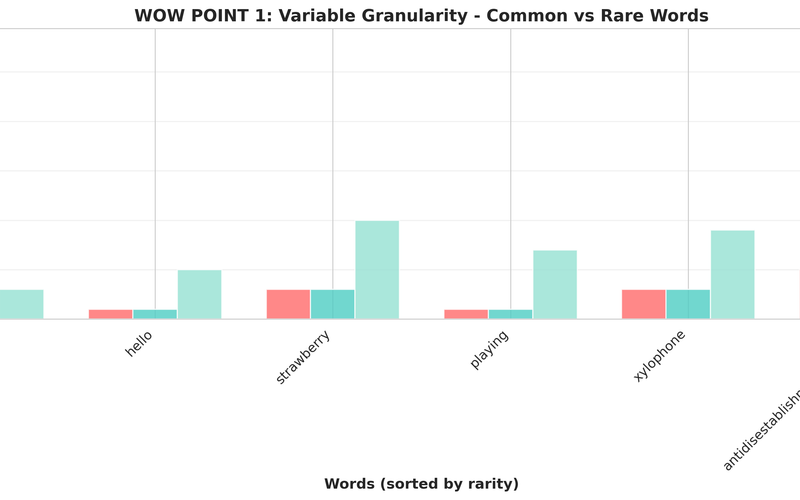
BPE vs Byte-level Tokenization: Why LLMs Struggle with Counting
Why do LLMs fail at counting letters in "strawberry"? The answer lies in tokenization. Learn how BPE creates variable granularity that hides character structure from models.
 Premium
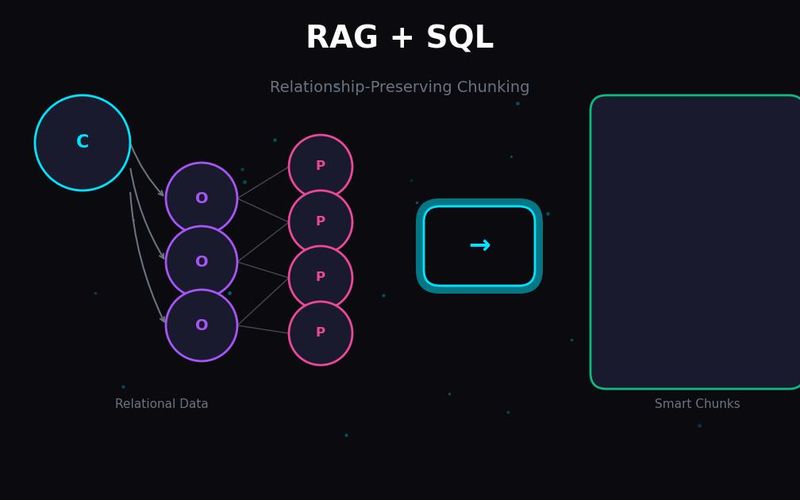
The Real Bottleneck in RAG Systems: It's Not the Vector DB, It's Your 1:N Relationships
Many teams try to solve RAG accuracy problems by tuning their vector database. But the real bottleneck is chunking that ignores the relational structure of source data.
 Premium
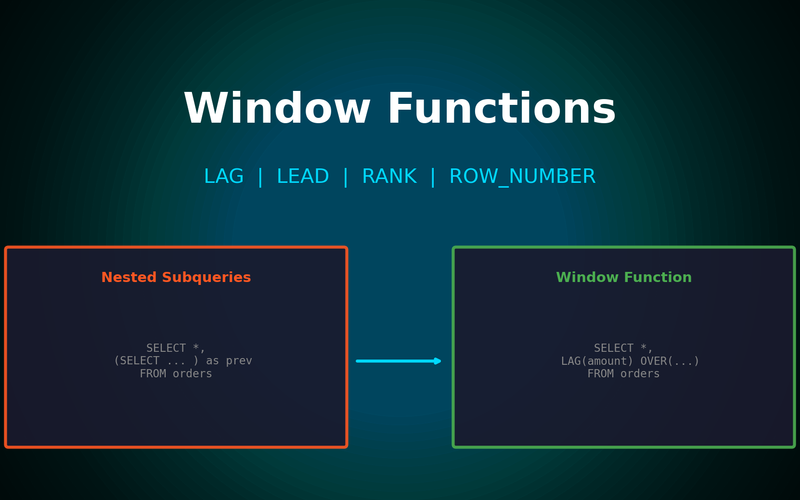
"Can SQL Do This?" — Escaping Subquery Hell with Window Functions
LAG, LEAD, RANK for month-over-month, rankings, and running totals
 Premium
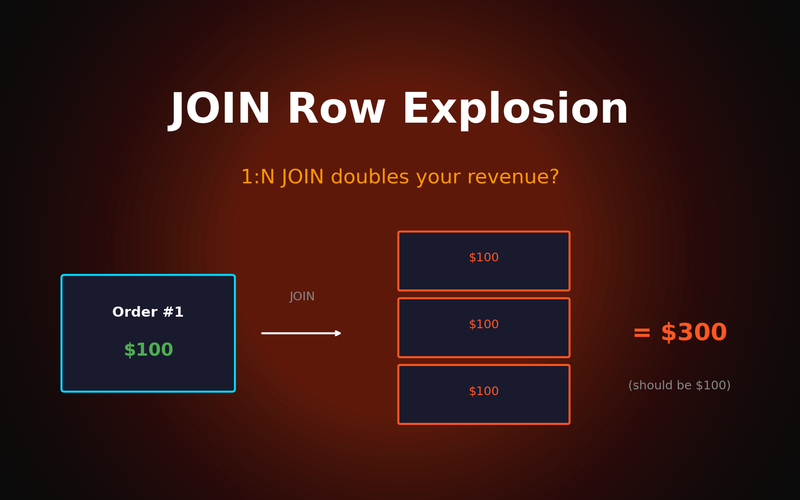
One Wrong JOIN and Your Revenue Doubles — The Complete Guide to Accurate Revenue Aggregation
Row Explosion in 1:N JOINs and how to aggregate revenue correctly
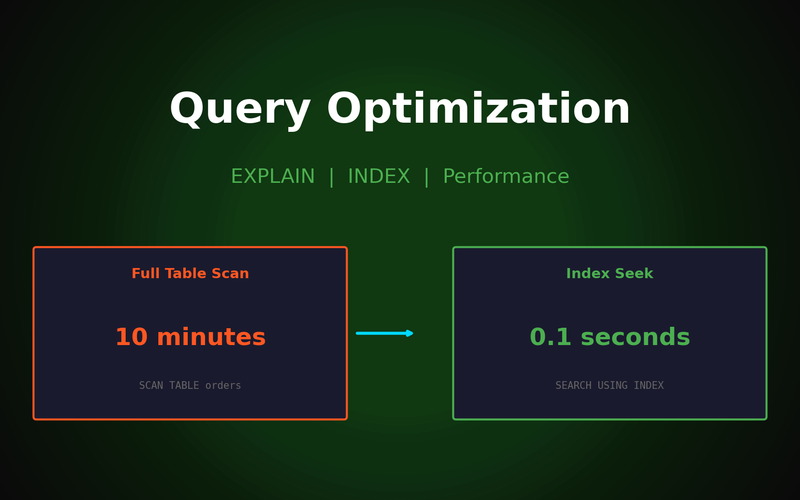
Why Does Your SQL Query Take 10 Minutes? — From EXPLAIN QUERY PLAN to Index Design
EXPLAIN, indexes, WHERE vs HAVING — diagnose and optimize slow queries yourself
 Premium
SANA: O(n²)→O(n) Linear Attention Generates 1024² Images in 0.6 Seconds
How Linear Attention solved Self-Attention quadratic complexity. The secret behind 100x faster generation compared to DiT.
 Premium
PixArt-α: How to Cut Stable Diffusion Training Cost from $600K to $26K
23x training efficiency through Decomposed Training strategy. Making Text-to-Image models accessible to academic researchers.
 Premium
DiT: Replacing U-Net with Transformer Finally Made Scaling Laws Work (Sora Foundation)
U-Net shows diminishing returns when scaled up. DiT improves consistently with size. Complete analysis of the architecture behind Sora.
From 512×512 to 1024×1024: How Latent Diffusion Broke the Resolution Barrier
How Latent Space solved the memory explosion problem of pixel-space diffusion. Complete analysis from VAE compression to Stable Diffusion architecture.
DDIM: 20x Faster Diffusion Sampling with Zero Quality Loss (1000→50 Steps)
Use your DDPM pretrained model as-is but sample 20x faster. Mathematical derivation of probabilistic→deterministic conversion and eta parameter tuning.
DDPM Forward and Reverse Process — Deriving the Diffusion Math Step by Step
Derives DDPM's forward process from the beta schedule, the closed form that jumps straight to any timestep, the reverse process and its posterior, the ELBO, and the reparameterization to noise prediction. Every equation worked through rather than quoted.

Why Your Translation Model Fails on Long Sentences: Context Vector Bottleneck Explained
BLEU score drops by half when sentences exceed 40 words. Deep analysis from information theory and gradient flow perspectives, proving why Attention is necessary.
Bahdanau vs Luong Attention: Which One Should You Actually Use? (Spoiler: Luong)
Experimental comparison of additive vs multiplicative attention performance and speed. Why Luong is preferred in production, proven with code.
Building Seq2Seq from Scratch: How the First Neural Architecture Solved Variable-Length I/O
How Encoder-Decoder architecture solved the fixed-size limitation of traditional neural networks. From mathematical foundations to PyTorch implementation.
AdamW vs Lion: Save 33% GPU Memory While Keeping the Same Performance
How Lion optimizer saves 33% memory compared to AdamW, and the hyperparameter tuning guide for real-world application. Use it wrong and you lose.